


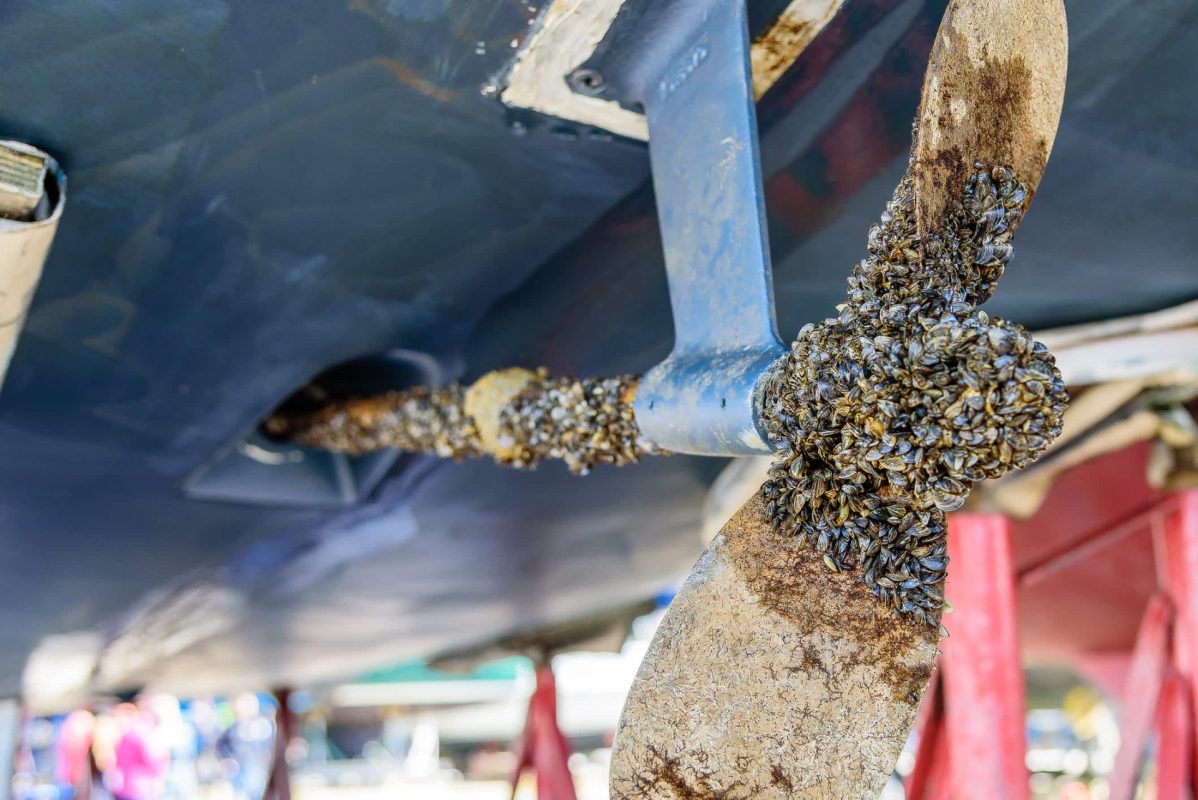
Texas wildlife officials are reminding Lake Texoma visitors that busy summer boating can also serve as a pathway for invasive species to spread from one lake to another.
To cut that risk, they are asking boaters to follow one routine whenever they leave the water: clean, drain, and dry.
What's happening?
Anyone taking a boat from Lake Texoma to another body of water is being asked to inspect the vessel and its gear first, KXII reported, citing Texas Parks and Wildlife Department officials and local game wardens.
Part of the concern is zebra mussels, which have already been found in dozens of Texas lakes across seven river basins. The shellfish spread quickly, and are extremely difficult to remove once established.
KXII reported that Grayson County Game Warden Daron Blackerby described how the mussels create problems once they begin growing on hard surfaces, stating, "They attach to hard surfaces and they grow and can clog up pipes when they get large enough."
Officials are also warning boaters about giant salvinia, a free-floating aquatic fern that can form thick mats on the water and make boating, fishing, and swimming more difficult.
TCD Picks » Quince Spotlight
💡These best-sellers from Quince deliver affordable, sustainable luxury for all




State law also requires boaters to drain all water from the vessel, including bait buckets, and remove invasive plants before going to another freshwater destination, KXII reported. Blackerby said skipping those steps can lead to penalties: "It's a Class C Misdemeanor if you don't actually clean, drain and dry your boat."
Why does it matter?
Invasive species can harm ecosystems and damage boats, docks, and water infrastructure that nearby communities depend on for recreation, fishing, and tourism.
Zebra mussels are especially concerning because officials say there is no effective way to control or eradicate them once they become established in a lake.
Giant salvinia can also limit access to recreation areas.
What can I do?
After every outing, Texas Parks and Wildlife recommends the same three-step routine: clean, drain, and dry.
That means clearing off vegetation, mud, and other debris from the boat and trailer, removing the drain plug and emptying all onboard water, and leaving compartments open so everything can dry completely, as KXII outlined.
Officials say the safest approach is to let equipment dry for at least a week before taking it to another lake. If that is not possible, using a high-pressure spray on the boat's exterior and compartments can help reduce the risk.
If a boat has been kept in a lake where invasive mussels are present, TPWD says it should be treated as likely infested and a high-risk vector for spreading the species. In that case, boaters should contact the department before moving the vessel.

Get TCD's free newsletters for easy tips, smart advice, and a chance to earn $5,000 toward home upgrades. To see more stories like this one, change your Google preferences here.







