A simple box left outside can spare someone a shopping trip while keeping perfectly usable items out of the trash.
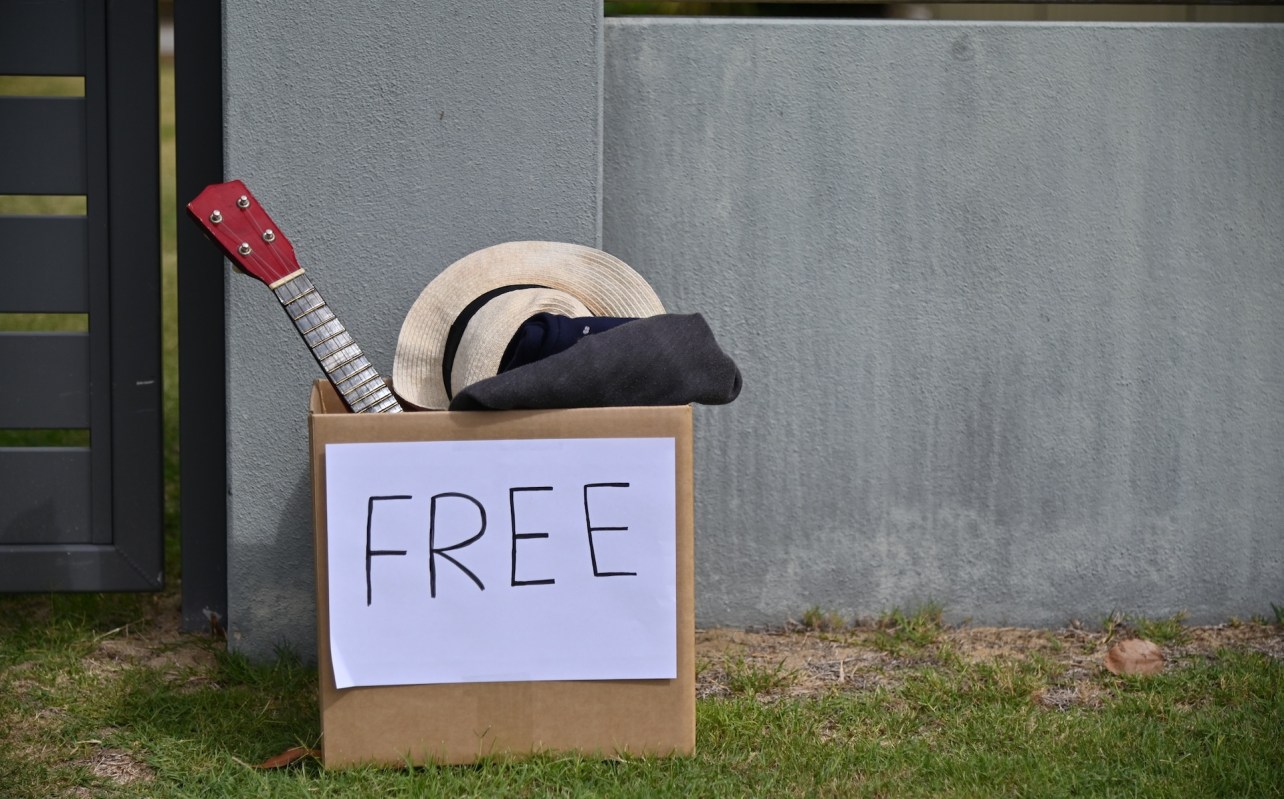
Writing from Germany, a Redditor in the r/frugal subreddit touted a revived neighbor-to-neighbor tradition called "Zu verschenken" ("free to take") that gives unwanted items a chance to be reused instead of discarded.
What's happening?
A Reddit thread centered on this resurfacing German custom, with one poster describing how boxes of no-longer-needed household items are labeled "Zu verschenken" so anyone passing by knows they are free.
The original poster said the practice is actually not new. Their mom remembered it being common in the 1980s. According to the post, residents have lately started doing it again, using good-weather days to set out usable belongings cleared from basements and closets so someone else can take them instead of seeing them thrown away.
"What I actually love most is that there's no stigma around taking things," they wrote. They added that even local youth think it's cool and share their excitement about finding hidden treasure.
People in the comments said the same idea exists in many places, mentioning options like Facebook Buy Nothing groups, Freecycle, Little Free Libraries, curb alerts, and free produce stands where gardeners give away excess tomatoes, peppers, and herbs.
TCD Picks » Quince Spotlight
💡These best-sellers from Quince deliver affordable, sustainable luxury for all




Why does it matter?
Free household goods can add up to real savings. Whether it is books, kitchenware, decor, children's items, or other everyday essentials, picking something up from a "free to take" box can mean one less purchase to make.
The trend also helps people get more value from things they already own. Instead of paying to replace a lightly used item or tossing out something that still works, communities can keep those goods circulating locally at no cost.
There is also a clear environmental benefit. Reusing items reduces waste and can lower demand for brand-new products, which usually require raw materials, manufacturing, packaging, and shipping. Even small exchanges can help keep usable goods out of landfills for longer.
The casual, normalized practice may also ease some of the social pressure people feel around giving and accepting secondhand items. That can make sustainable choices easier, more affordable, and more accessible.
What can I do?
Clean, functional items that are no longer needed can be placed in a clearly marked box in a dry, visible spot, if local rules allow it. A simple "free to take" sign can be enough.
Where leaving items outside is not practical, local sharing networks can offer a similar benefit, helping people pass things along without spending money.
Gardeners can also share extra produce or herbs. Taking only what will genuinely be used helps keep the system useful for everyone.
Frugal living does not always require apps, subscriptions, or elaborate planning. Sometimes it begins with neighbors making it easy to give and receive something for free.
"Whatever it is, someone will almost always be happy to take it," the OP concluded.

Get TCD's free newsletters for easy tips, smart advice, and a chance to earn $5,000 toward home upgrades. To see more stories like this one, change your Google preferences here.