


Sometimes the most valuable help on a homestead doesn't come with a paycheck. Instead, it comes with feathers, paws, or a talent for chasing rodents.
A lighthearted Reddit thread about unofficial "farm staff" turned into a surprisingly practical roundup of natural pest control, as homesteaders shared stories about the animals quietly helping keep their lands in order.
What happened?
A post on r/homestead invited users to answer a simple question: "What's the most unexpected 'employee' on your farm?"
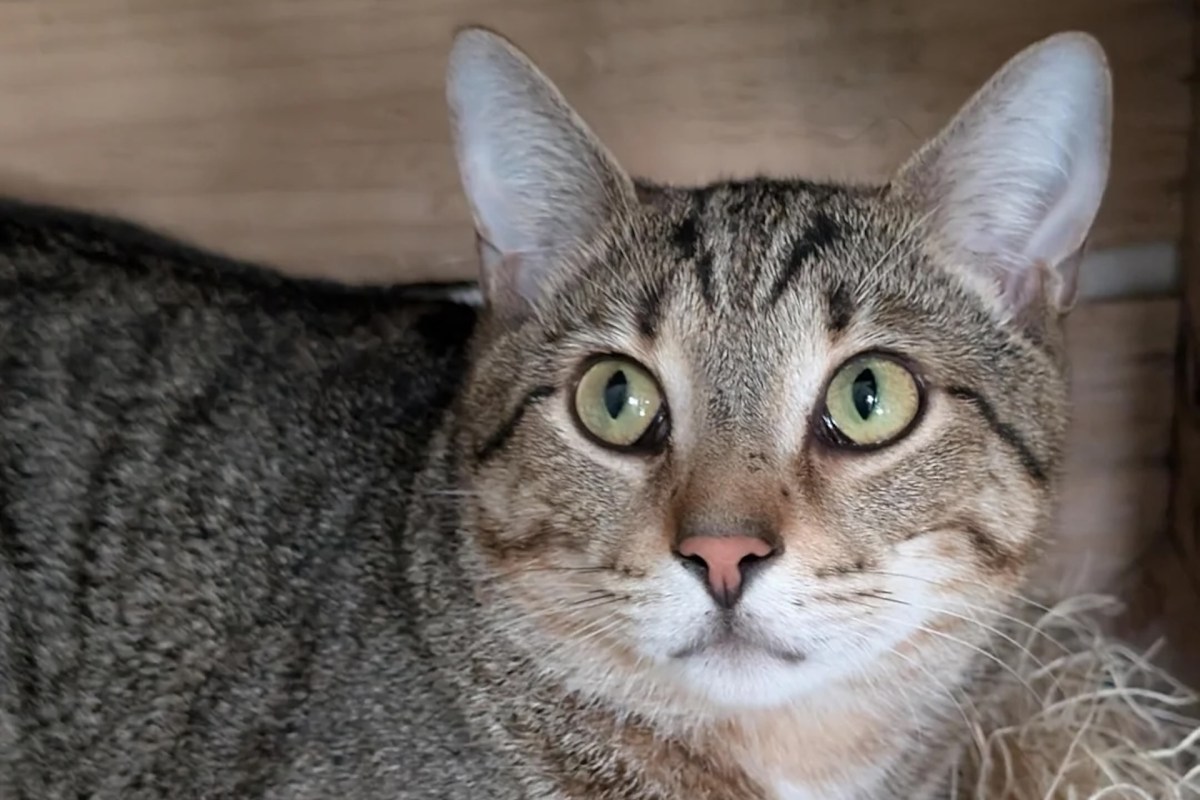
"Ours is a very suspicious barn cat who takes rodent control seriously but still acts like everyone is out to get him," the poster said, sharing a photo of a gray cat with striking green eyes. "I'd love to see everyone's unofficial farm staff."
The replies read like a roster of accidental farmhands, with homesteaders naming crows, ravens, barn swallows, roadrunners, terriers, and even a Great Dane credited with hunting groundhogs.
Together, those stories painted these animals as more than amusing companions. Commenters described them as doing real work around the property, from handling pests to helping with predator control.
TCD Picks » Quince Spotlight
💡These best-sellers from Quince deliver affordable, sustainable luxury for all




Why does it matter?
For anyone managing a garden, barn, small farm, or larger piece of land, pest problems can quickly become expensive and exhausting. When birds or working animals help keep insects and rodents under control, people may need fewer traps, chemical treatments, or other paid solutions, saving time and money.
The upside is not only practical but also ecological. Swallows, corvids, and roadrunners are part of a healthy local environment, and when they have safe places to forage, hunt, and nest, they can provide the same kinds of benefits people often try to buy in a store.
That principle can apply outside homesteads too. Backyard gardeners and suburban homeowners may also benefit from encouraging useful wildlife, whether that means attracting more insect-eating birds, improving habitat for pollinators, or using fewer chemicals around children and pets.
What can I do?
If you want more of that kind of help, a good place to start is with habitat. Native plants, trees, shrubs, water, and protected nesting spots can make a property more appealing to birds and other beneficial wildlife.
It also helps to avoid rodenticides and similar poisons whenever possible. Those products can injure the same animals that naturally keep pests down, including birds that feed on rodents or insects. If wildlife is going to help, it needs a safer food chain.
Prevention still matters, especially in barns, gardens, and on larger lots. Storing feed securely, removing attractants, and sealing trouble spots before pests become established can make natural pest control more effective by removing easy rewards for rats, mice, and other unwanted visitors.

Get TCD's free newsletters for easy tips, smart advice, and a chance to earn $5,000 toward home upgrades. To see more stories like this one, change your Google preferences here.






