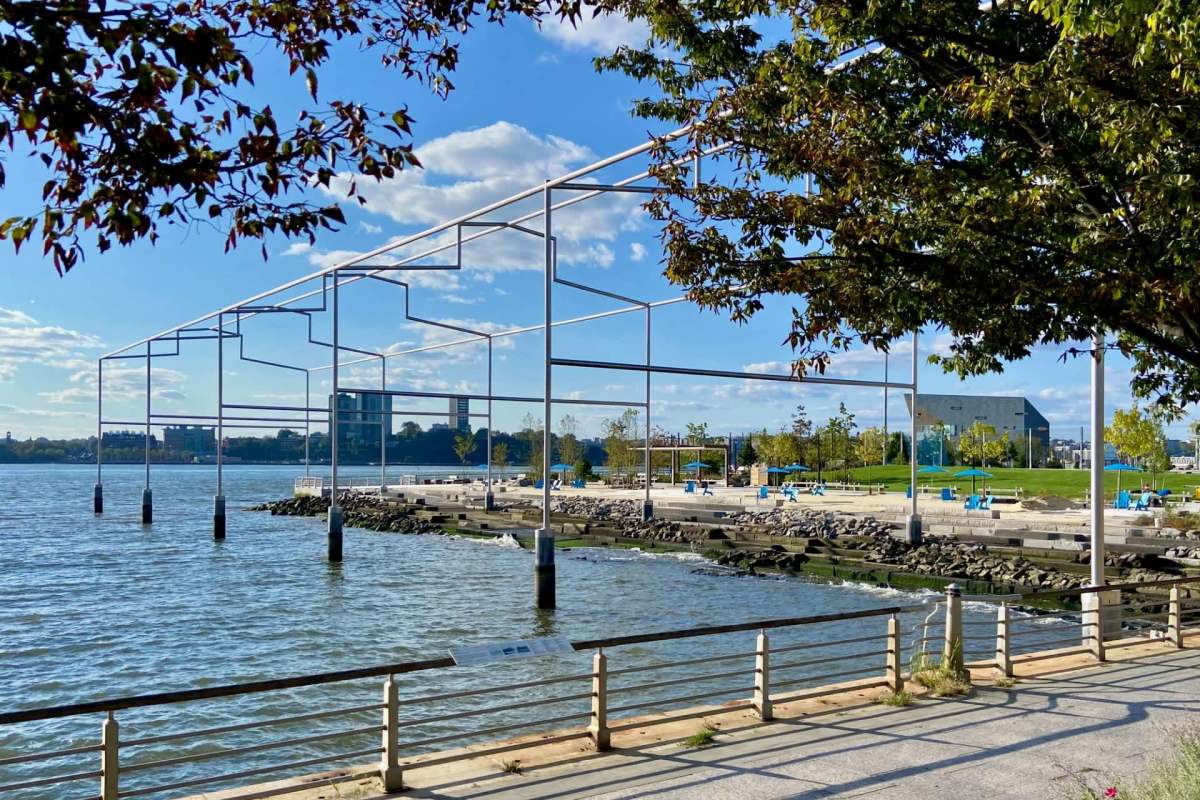
A surprising visitor turned up along Manhattan's West Side, but the guest was actually not a transplant.
As amNewYork reported, a visitor captured the moment a beaver surfaced in the Hudson and then pulled itself onto rocks by the shoreline. The brief encounter showed how protected urban waterways can create space for native animals to return.
What happened?
Near Gansevoort Peninsula in Hudson River Park, Sophia Tulp recorded a beaver swimming in the Hudson and climbing onto the rocks. AmNewYork added that park officials said the sighting was the first documented one in the park's 400-acre estuarine sanctuary.
Hudson River Park (@HudsonRiverPark) celebrated the sighting and shared the footage in a post on X.
Check out the Park's newest visitor — a beaver! 🦫 Recently seen swimming around Gansevoort Peninsula, this beaver marks the first recorded sighting in our 400-acre Estuarine Sanctuary! Though a rare sight in NYC, beavers are native to our local waterways.
— Hudson River Park (@HudsonRiverPark) June 5, 2026
📹: Sophia Tulp pic.twitter.com/Vn84thmGCl
"Check out the Park's newest visitor — a beaver!" they wrote in the caption. "Recently seen swimming around Gansevoort Peninsula, this beaver marks the first recorded sighting in our 400-acre Estuarine Sanctuary!
Although beavers have been seen in places like Staten Island, New Jersey, and the Bronx River, they are still rarely spotted along Manhattan's stretch of the Hudson.
TCD Picks » Quince Spotlight
💡These best-sellers from Quince deliver affordable, sustainable luxury for all




That's more a function of years of declines for the species due to hunting and habitat loss, as amNewYork noted.
"Though a rare sight in NYC, beavers are native to our local waterways," the park added in the X post.
Why does it matter?
Protected habitat in dense urban areas can support surprising biodiversity.
Because it is a place where freshwater and saltwater mix, Hudson River Park's estuarine sanctuary helps support fish, crustaceans, and other wildlife. In this case, it even attracted a beaver.
"Part of why that's really special is because the park is not only green space but it's also a 400-acre estuarine sanctuary—protected marine waters that support incredible biodiversity," Tina Walsh of the Hudson River Park Trust told amNewYork.
The species is native to New York and is closely connected to the state's identity, the outlet noted. The beaver is the official state mammal and appears on the New York City Seal, which means restoring it to its proper prominence is an admirable goal.
Beavers are considered a keystone species due to their reputation as ecosystem engineers. By building dams, they can help create healthier wetlands and more resilient ecosystems for protection against floods and wildfires.
What's being done?
Following steep declines, beaver populations have recovered in part because of protections such as the Clean Water Act and trapping bans, amNewYork said..
Hudson River Park's sanctuary is part of that effort, providing protected habitat while also supporting research and education.
Walsh noted that the park is home to more wildlife than many people realize.
"We know there are some surprising animals that live in our waterways, like sea horses under the surface," she explained to amNewYork. "And I think a lot of people are similarly surprised to learn that beavers, not only are they native to New York City and the lower Hudson River, but they can be spotted here."
Walsh said the beaver appears to be a visitor rather than a resident.
"We're keeping our eyes open, scouring, and I'm sure now that people have seen the video they are also looking, but I think all signs point to it being a visitor passing through, but we'll see," she concluded to amNewYork.

Get TCD's free newsletters for easy tips, smart advice, and a chance to earn $5,000 toward home upgrades. To see more stories like this one, change your Google preferences here.