


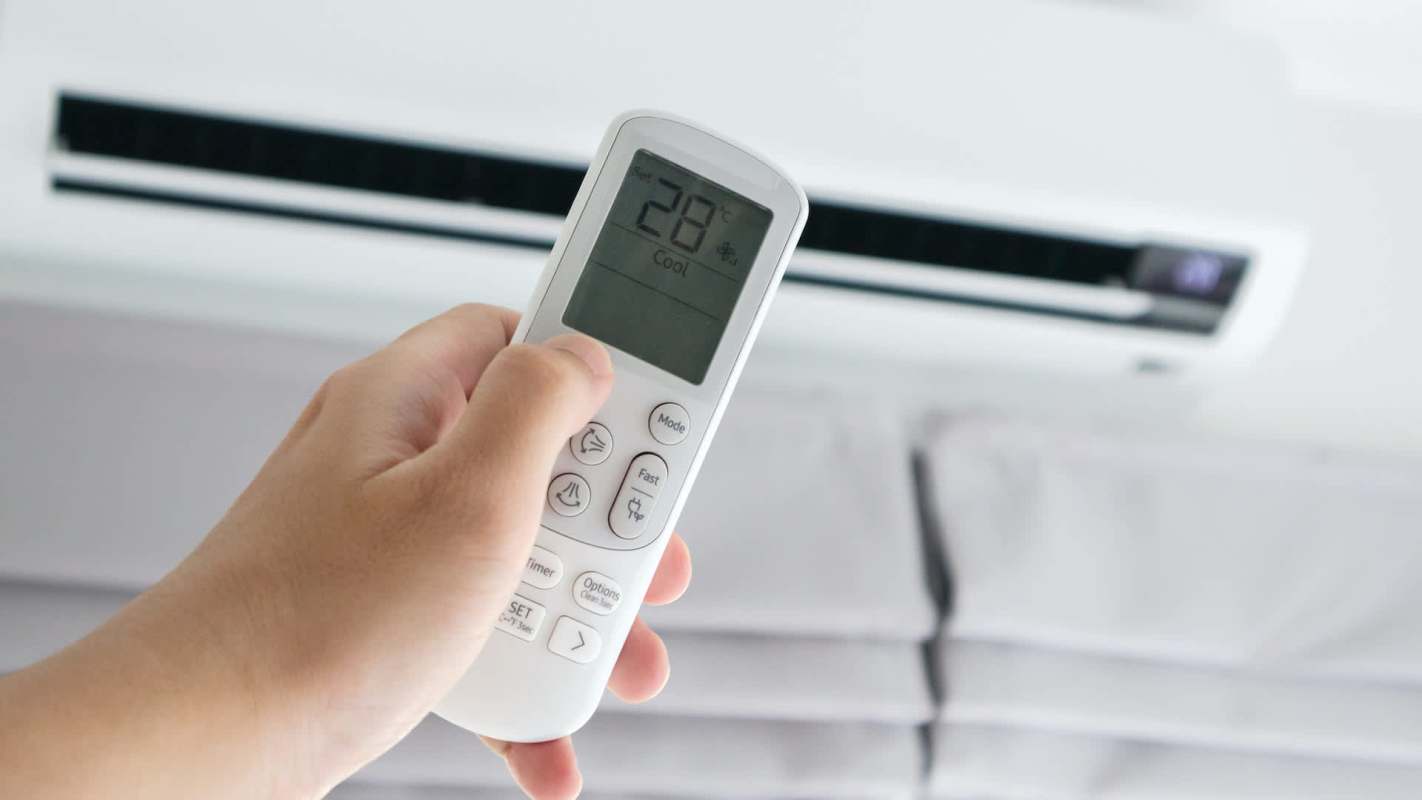
When Maryland gets hit with a heat wave, home systems that make daily life livable also drive up electricity use. Longer run times for air conditioners, fans, and refrigerators can put extra pressure on the grid during the hottest hours.
What's happening?
As The BayNet reported, utilities and regulators in Maryland pay close attention to summer power use because demand can jump when many buildings start cooling at once. Those broad spikes create peak-demand periods, which are especially common on weekday afternoons.
One tool Baltimore Gas and Electric uses is PeakRewards, a demand-response option tied to customer cooling systems. Under the program, enrolled homes can have their central AC compressors or heat pumps cycled for short intervals on weekdays from 2 p.m. to 6 p.m. between May and September, with monthly bill credits available to participants.
One of the best ways to protect your home during outages, save money on energy, and even go off-grid is to add battery storage. Homeowners can explore EnergySage's free tools to compare home battery storage options and get competitive installation estimates, and EnergySage has teamed up with electrification brand Qmerit to guarantee you get the best price on home battery storage solutions.
For a more affordable backup option, Pila offers plug-and-play batteries priced at a fraction of what a whole-home backup system would cost.
Why does it matter?
Very hot weather can stress the power system in two ways at once: People need more electricity for cooling, and the equipment delivering that power faces tougher operating conditions. Summer storms can make matters worse by triggering outages when air conditioning is most needed.
That can be especially dangerous for older adults, families with young children, pet owners, and anyone who relies on refrigerated medications or electrically powered medical devices. Even a small, localized outage can quickly become serious as indoor temperatures rise.
What can I do?
Households can lighten the load with small changes, including closing blinds, delaying laundry and dishwasher loads until evening, replacing HVAC filters, and turning off electronics when not in use, The BayNet noted.
Save $10,000 on solar panels without even sharing your phone number Want to go solar but not sure who to trust? EnergySage has your back with free and transparent quotes from fully vetted providers in your area. To get started, just answer a few questions about your home — no phone number required. Within a day or two, EnergySage will email you the best options for your needs, and their expert advisers can help you compare quotes and pick a winner. Solar panels can save you more than $50k over their 25-year lifespan, and EnergySage can help you save as much as $10k on installation. Which begs the question — isn't that worth an email or two? |

Battery backup can also help reduce the financial fallout of outages by preserving food, keeping phones and other devices charged, and lowering the need for costly emergency fixes. In some cases, stored energy can also help households use less grid electricity during expensive peak periods.
Before the next heat wave, Southern Maryland Electric Cooperative recommends gathering outage supplies such as flashlights and spare batteries, a battery-powered radio, shelf-stable food, extra water, a manual can opener, cash, and portable phone chargers.
For households with someone who depends on life-support equipment, SMECO advises planning for "alternate sources of power or lodging." It also helps to know how to store refrigerated medications safely and where nearby cooling centers, libraries, recreation centers, or other public buildings are located.
Food safety matters during a blackout, so keep the fridge and freezer closed as much as possible to hold in cold air. And if you use a portable generator, place it "outside, never in the house, garage, attic, crawl space, or basement," SMECO warns.
During prolonged heat, check in on neighbors. A quick call or visit can confirm they have water, a cool place to go, and a way to charge their phone.
For state resources, the Maryland Public Service Commission says its Engineering Division "monitors the operations of public service companies for safety, efficiency, reliability and quality of service," while the Maryland Department of Emergency Management describes itself as "Maryland's official home for emergency management info, resources, and support."

Get TCD's free newsletters for easy tips, smart advice, and a chance to earn $5,000 toward home upgrades. To see more stories like this one, change your Google preferences here.






