


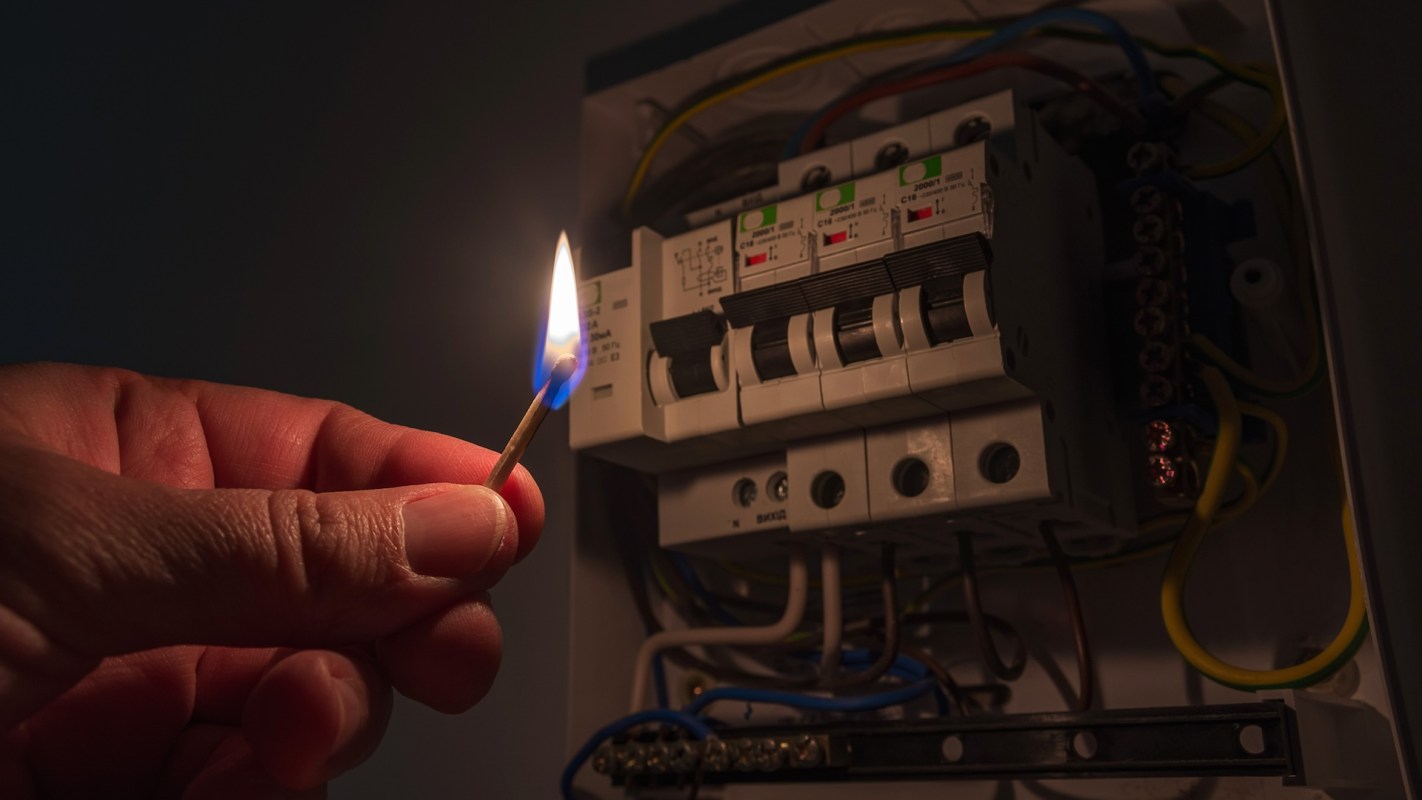
According to new research, health risks for older adults start to rise when a blackout reaches eight hours. That is a growing concern as power outages in the U.S. last longer and can become far more than a source of discomfort, as Harvard Health described.
With severe weather and an aging energy grid contributing to more disruptions, losing electricity is increasingly tied to health risks and household costs.
What's happening?
In 2024, Harvard Health noted the average U.S. outage lasted 11 hours, according to the U.S. Energy Information Administration. Meanwhile, a March study published online by PLOS Medicine linked blackouts lasting at least eight hours to a slight increase in emergency hospitalizations for heart and lung disease among Medicare beneficiaries.
Dr. Scott Goldberg, medical director of emergency preparedness at Harvard-affiliated Brigham and Women's Hospital, told Harvard Health that "you need to have a plan in place before the incident occurs."
Planning ahead matters most for people whose care depends on electricity, including those who use CPAP machines or oxygen concentrators and people who need to keep medications such as insulin refrigerated, the outlet noted.
One way to get ahead of these potential problems is to add battery storage to protect your home during outages, save money on energy, and go off-grid. EnergySage's free tools enable you to compare home battery storage options and gather competitive installation estimates.
No matter how well you're prepared for an outage, it's important to know your limits.
"Taking precautions up front to make your home environment as resilient to emergencies as possible is incredibly important," Goldberg told Harvard Health. "But if you are in an unsafe situation, seek help."
Save $10,000 on solar panels without even sharing your phone number Want to go solar but not sure who to trust? EnergySage has your back with free and transparent quotes from fully vetted providers in your area. To get started, just answer a few questions about your home — no phone number required. Within a day or two, EnergySage will email you the best options for your needs, and their expert advisers can help you compare quotes and pick a winner. Solar panels can save you more than $50k over their 25-year lifespan, and EnergySage can help you save as much as $10k on installation. Which begs the question — isn't that worth an email or two? |

Why does it matter?
Longer outages can trigger a chain of problems at home. Without heat or air conditioning, indoor temperatures can quickly become dangerous, particularly for older adults, whose bodies are often less able to adapt to sudden temperature swings.
Food and water safety can also become a concern. Harvard Health noted that refrigerated food may spoil and cause food poisoning, while water systems can become vulnerable to contamination during outages.
In a dark home, the risk of falls increases, posing a major concern for adults 65 and older.
What can I do?
Harvard Health recommends a basic outage kit with at least a gallon of water per person each day, nonperishable food, flashlights or other lighting, spare batteries, a battery-powered radio, portable phone chargers, a first-aid kit, hygiene supplies, and copies of important documents. Harvard Health also advises keeping a two-week supply of medications on hand.
If an electric medical device is part of your care, make a blackout plan with your doctor before you need it. Goldberg told Harvard Health that he suggests either a generator operated safely outdoors or backup battery power with enough charge for at least 48 hours.
If battery power is up your alley, EnergySage is teaming up with Qmerit to ensure you get the best price on home battery solutions. Another option is Pila, which offers exemplary battery backup. Its plug-and-play options cost a fraction of what a whole-home system costs.

Get TCD's free newsletters for easy tips, smart advice, and a chance to earn $5,000 toward home upgrades. To see more stories like this one, change your Google preferences here.






