


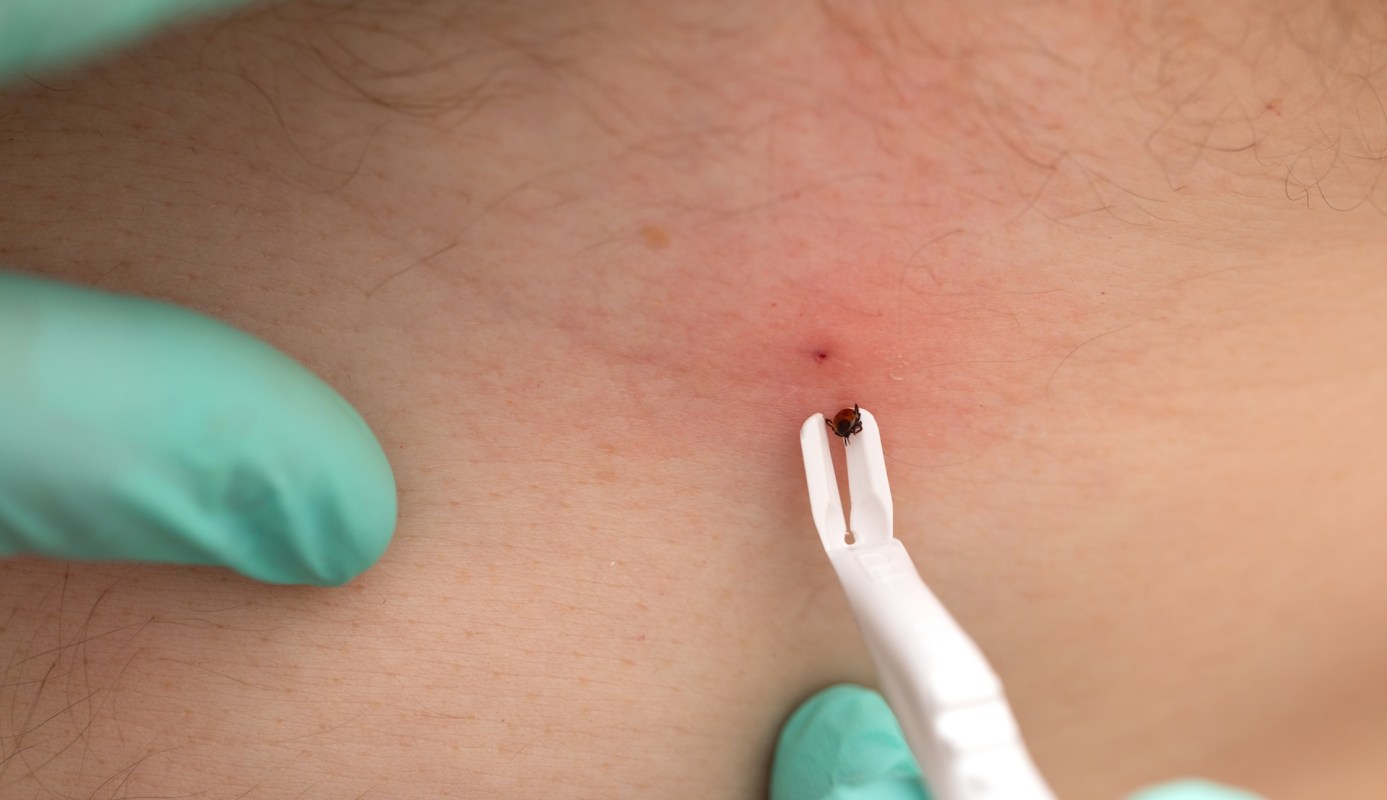
Emergency rooms across much of the United States are seeing tick-bite visits at their highest level since 2017, a sign that this summer's tick season may be tougher than usual.
Health officials are concerned because ticks can spread a widening range of illnesses with potentially serious consequences.
What's happening?
Data from the Centers for Disease Control and Prevention has shown elevated emergency department visits linked to tick bites across large parts of the country, according to CBS News.
Experts have said the numbers reflect a broader shift, with ticks expanding into new areas and bringing the diseases they carry with them.
Rebecca Osborn, an epidemiologist for the Wisconsin Department of Health Services, said to CBS News that the trend is "definitely concerning."
Osborn, who monitors ticks and the viruses associated with them, said rising temperatures are helping widen where those pests can live.
TCD Picks » Quince Spotlight
💡These best-sellers from Quince deliver affordable, sustainable luxury for all




"So, warmer temperatures can bring ticks into new areas," Osborn said.
Among the species drawing more scrutiny is the lone star tick because it can carry alpha-gal, which may cause some people to develop a red meat allergy.
Health officials are also watching Powassan, an uncommon but dangerous virus involving the central nervous system that can lead to memory loss, speech problems, and seizures.
Why does it matter?
This kind of public health warning can affect everyday summer routines, from yard work to hikes, dog walks, and even visits to local parks.
Tick exposure can happen quickly, and the health effects can range from mild irritation to longer-term illness.
For Lyme disease — one of the most common tick-borne illnesses — the CDC says risk can be reduced if an attached tick is removed within 24 hours.
But Lyme is no longer the only concern.
"Sadly, despite all of our education about tick bite prevention, we are seeing all tick-borne diseases increase," Osborn said, according to CBS News.
At the Camp Edwards YMCA in East Troy, Wisconsin, the issue is already affecting staff and campers.
Camp counselor Maggie Windon said, "I found one on … the front part of my leg and then we always do tick checks in the showers at night and I found one on the very back of my leg. Both were embedded."
Schools, camps, families, and health departments are increasingly treating tick awareness as a routine part of summer safety.
What can I do?
Experts have recommended using bug repellent, wearing long clothing when possible, and checking your body after spending time outdoors.
Camp counselors are also teaching children how to inspect harder-to-see areas.
Windon and fellow camp counselor Torie Hall, both 17, help campers stay on top of those checks.
"We can help them check their hair and the … back of their neck," Hall said, per CBS News.
Ticks are often tiny and easy to miss. However, Windon said she has noticed a clear difference this year.
"I've seen so many just crawling on kids' shirts, just flicking them off," she told the outlet. "But it's a lot more than I've seen before."
Rapid removal can reduce the risk of certain infections most commonly associated with tick bites.

Get TCD's free newsletters for easy tips, smart advice, and a chance to earn $5,000 toward home upgrades. To see more stories like this one, change your Google preferences here.






