


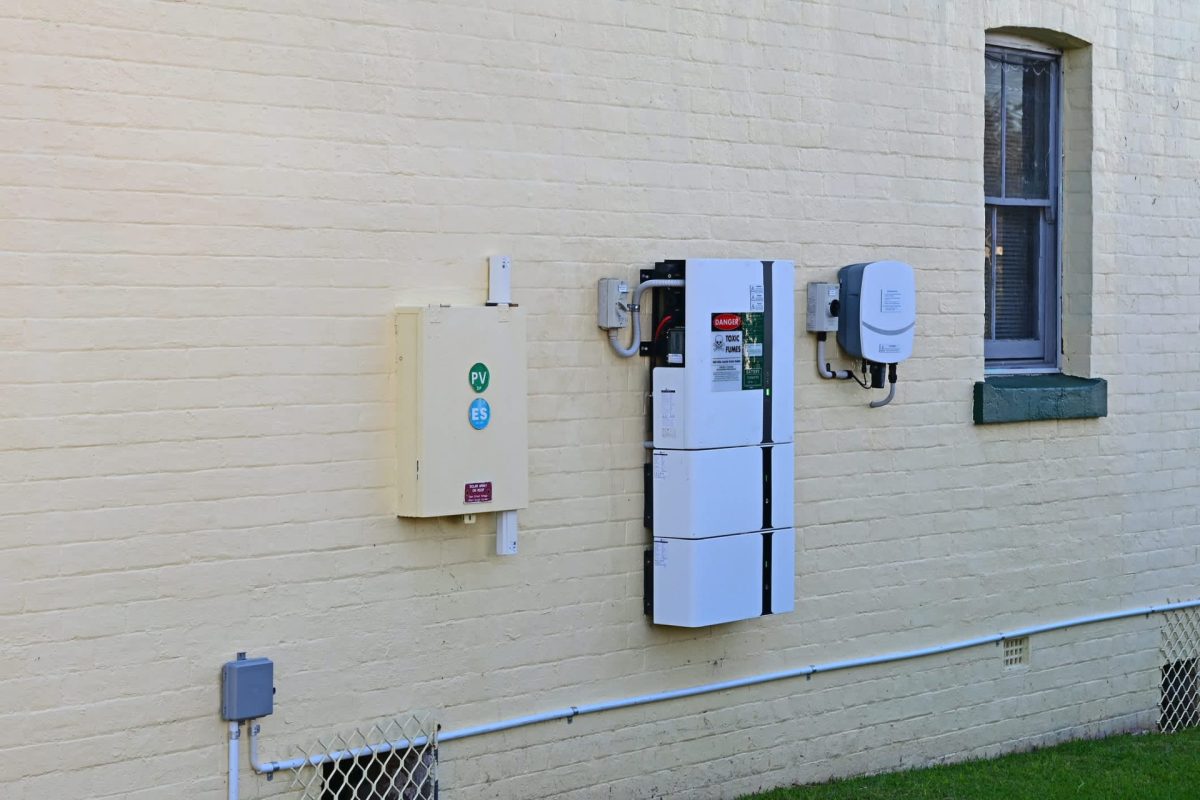
In many parts of the country, outages are no longer rare enough to write off as once-a-year disruptions. As a conversation on the r/solar subreddit covers, repeated blackouts in states such as Pennsylvania, Texas, and California are leading more homeowners to think seriously about making the grid optional.
What's happening?
A Reddit poster took to the platform to illustrate how power outages are piling up across the country in their post. As they recapped, recent disruptions have hit multiple regions.
Roughly 450,000 people lost power in Pennsylvania in April, Texas saw more than 130,000 outages last week, and two separate incidents in Los Angeles County affected nearly 40,000 homes on the same day, they wrote.
In March, 46 states recorded about 210,000 outage events, according to the OP. In their telling, severe weather was responsible for roughly 70% of them, while equipment failures accounted for another 20%.
Much of the U.S. electrical system was built decades ago, largely in the 1960s and 1970s, and many parts of it still have not been substantially modernized, the OP noted. That leaves aging infrastructure more exposed when storms hit.
Homes with solar panels and battery storage may be able to avoid going completely dark. On top of that, going solar is one of the best ways to save money on home energy, and that can matter even more as utility service becomes less predictable.
Homeowners who want a clearer picture of costs can use EnergySage for quick solar installation estimates to compare the best rates in their areas.
Why does it matter?
Power outages can mean spoiled food, unsafe indoor temperatures, dead phones, interrupted remote work, and major risks for anyone who depends on refrigerated medicine or powered medical equipment.
Save $10,000 on solar panels without even sharing your phone number Want to go solar but not sure who to trust? EnergySage has your back with free and transparent quotes from fully vetted providers that can help you save as much as $10k on installation. To get started, just answer a few questions about your home — no phone number required. Within a day or two, EnergySage will email you the best local options for your needs, and their expert advisers can help you compare quotes and pick a winner. |

When severe weather damages already-stressed equipment, restoration can take longer on an older grid.
Rooftop solar is increasingly appealing to homeowners as both a way to cut costs and a tool for resilience. EnergySage's free services can help homeowners save up to $10,000 on solar purchases and installation.
Those savings can be especially important for homeowners interested in investing in battery storage as a measure of backup against the struggling grid.
What can I do?
If you're still comparing whether solar makes sense where you live, EnergySage's solar map shows the average cost of a home solar panel system on a state-by-state level, as well as details on solar panel incentives for each state. Together, those resources can help readers get the best price for rooftop solar panels and access available incentives.
More From EnergySage
💡Go deep on the latest news and trends shaping the residential solar landscape
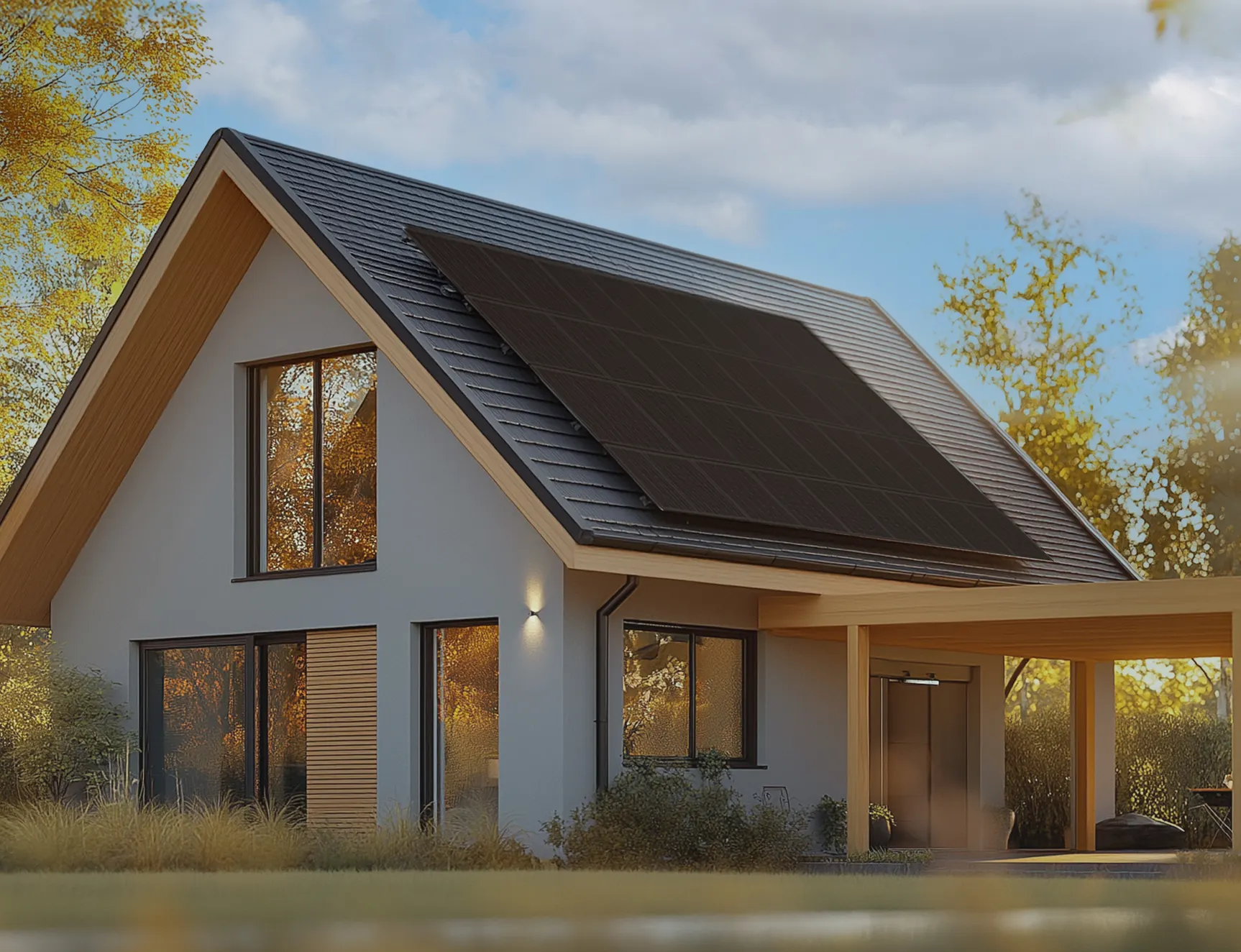
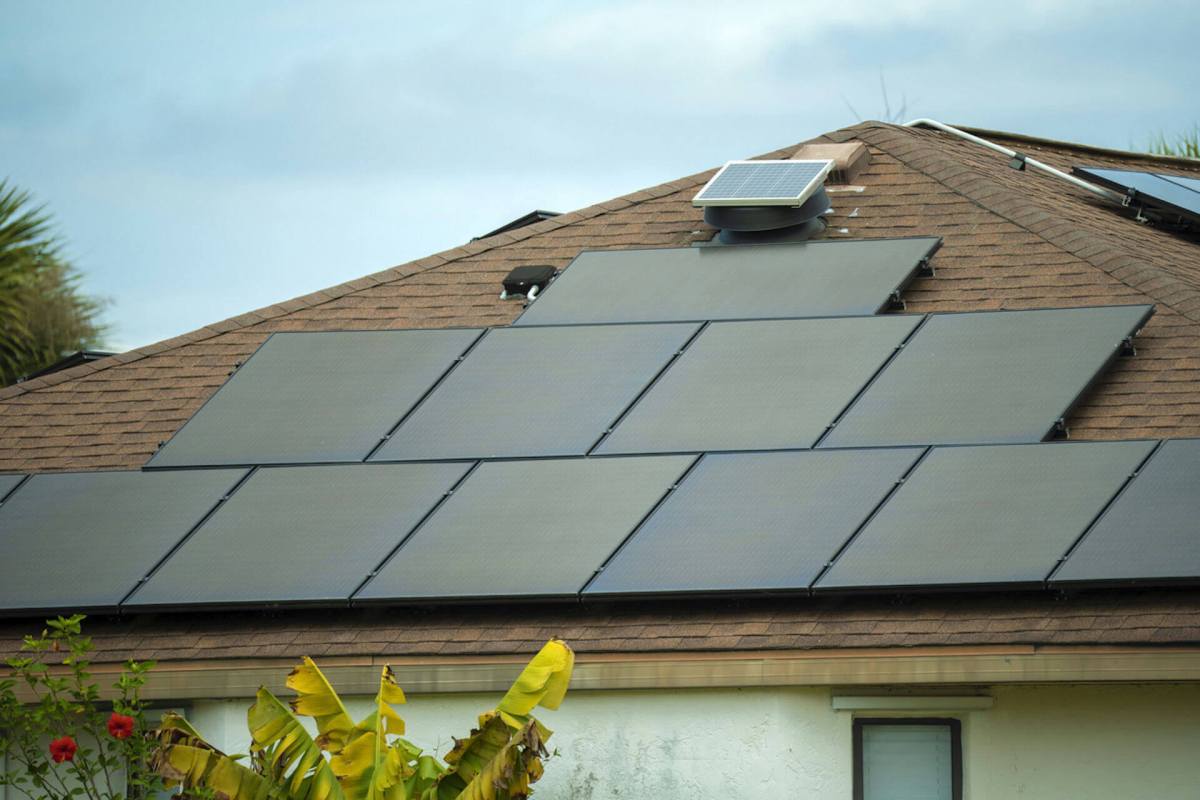

With battery storage added, your solar system can keep key appliances running during outages, reduce utility bills, and lessen reliance on an aging power system. You can explore EnergySage's free tools for information about home battery storage options, including competitive installation estimates.
As outages continue to pop up, you might be very happy you made moves.
"I didn't notice any in my solar/battery backed-up house," one commenter on the thread wrote.

Get TCD's free newsletters for easy tips, smart advice, and a chance to earn $5,000 toward home upgrades. To see more stories like this one, change your Google preferences here.






