


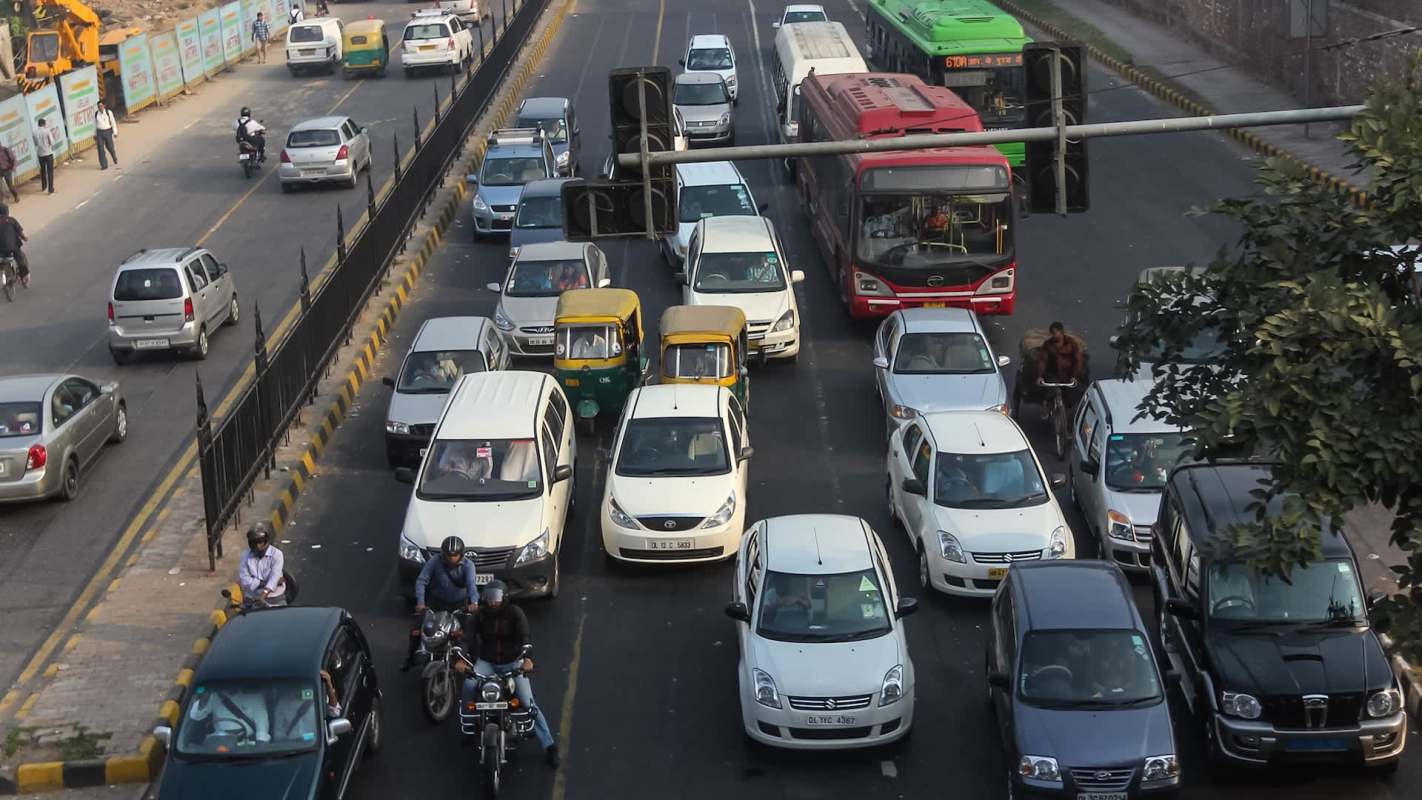
To confront a persistent public health problem, New Delhi is using financial incentives to promote cleaner transportation.
According to a Reuters report, the city will offer residents roughly $1,000 for scrapping older, more-polluting vehicles and replacing them with electric ones, tying the switch to the near-term benefits of cleaner air and reduced fuel use.
What's happening?
The issue sparked conversation online through a post on Reddit's r/electricvehicles subreddit, where users shared the report on New Delhi's plan.
The policy is aimed at removing some of the highest-polluting vehicles from city streets and easing the pollution that has weighed on New Delhi for years.
Rather than focusing mainly on pollution goals, many reactions to the incentive centered on the everyday burden of living with heavy smog.
"Breathing that air is worse than smoking two packs a day," one user wrote. "Definitely worth the investment to switch to EVs."
TCD Picks » Quince Spotlight
💡These best-sellers from Quince deliver affordable, sustainable luxury for all




In the Reddit discussion, users largely treated the program as a practical response to an urgent urban health issue, not just a climate policy in theory.
Why does it matter?
Air pollution extends beyond environmental concerns, affecting respiratory and cardiovascular health, household finances, and daily well-being. Replacing older high-polluting vehicles with EVs could reduce tailpipe pollution in dense neighborhoods and on busy roads.
"That's why they're cleaning it up," a user said in a reply to a commenter who called Delhi's pollution "just awful."
"I hope Delhi would ban buying gas cars the way Shanghai banned new registrations," they added.
Backers of the plan also point to its economic upside. Greater EV use can reduce reliance on imported fuel, which could help mitigate long-term fuel price volatility for both consumers and governments.
One commenter declared "this is EV adoption's trump card," and explained the appeal for nations without oil reserves.
"Not incentives due to nebulous feeling climate goals, but incentives and full-on bans because the elites would also like breathable air, and the country is beggaring itself buying foreign fuel," they added. "That begets scale, which lowers prices and improves the product."
What's being done?
The New Delhi incentive shows one way governments are trying to accelerate cleaner transport through taking on the oldest and most polluting vehicles first.
For households that might otherwise struggle to afford a newer EV, a cash-for-clunkers-style program can make the change feel more reachable. Measures like this can also signal to automakers and charging providers that policymakers are actively supporting demand for cleaner vehicles.
If similar programs spread to more cities, a larger scale could improve vehicle availability, reduce costs, and support infrastructure growth.
The memory of clearer skies in New Delhi still resonates with some observers.
"Ah, remember when during Covid, mountains that had not been visible for decades in parts of India, were visible again because of the lack of traffic," a user recalled while attaching a link to a CNN report.

Get TCD's free newsletters for easy tips, smart advice, and a chance to earn $5,000 toward home upgrades. To see more stories like this one, change your Google preferences here.






