


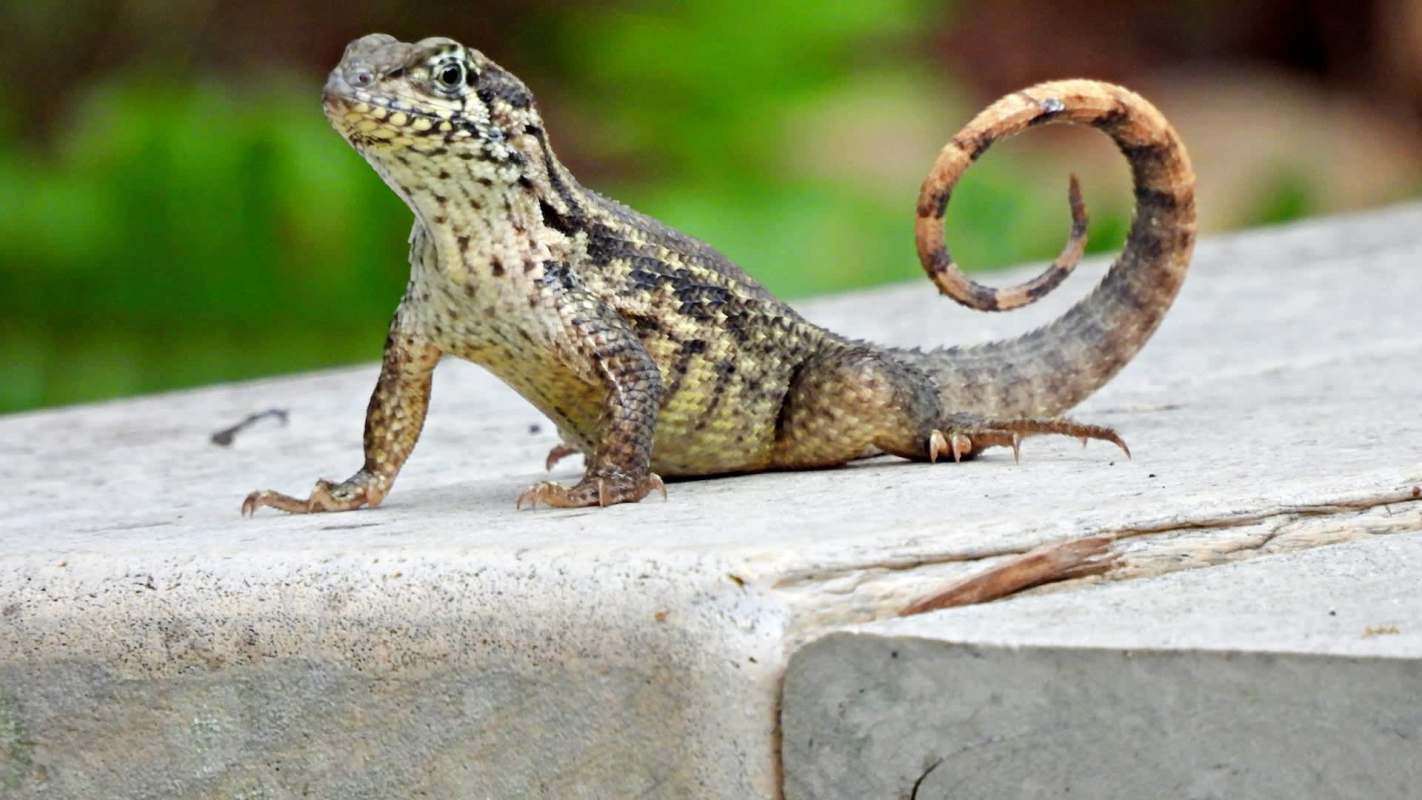
Once mostly associated with South Florida, a Bahamas-native lizard is now showing up much farther north. Researchers say the northern curly-tailed lizard is becoming a regular presence in Central Florida, creating an unusual invasive-species wrinkle.
What happened?
According to FOX 35 Orlando, the northern curly-tailed lizard, Leiocephalus carinatus, is moving north through Florida after becoming established in South Florida decades ago, likely through the pet trade or zoo releases.
Researchers say the species now appears to be settling into large parts of Central Florida. When threatened, the lizards can drop their tails to distract predators and escape, a defense that may be helping them do well in human-built environments dominated by concrete and rock.
UCF herpetologist Dr. Matthew Atkinson told the station that the species is no longer an unusual sight in the region.
"They're becoming fairly common throughout most of central Florida now as they are starting to move up the peninsula," he said.
Why does it matter?
Even when an invasive species appears mostly harmless, its spread can still create problems for local ecosystems and the communities around them. Wildlife agencies must spend time tracking how a newcomer moves and eats, and whether it is displacing native species or altering food webs in ways that may be difficult to reverse.
TCD Picks » Quince Spotlight
💡These best-sellers from Quince deliver affordable, sustainable luxury for all




Part of what makes this case unusual is the lizard's diet: it preys on brown anoles, which are also invasive and already widespread in Florida. Atkinson described that as "a little bit of invasive-on-invasive violence."
Because the species is not native to the region, its role as a predator could still affect other animals in unpredictable ways. These lizards are also appearing in neighborhoods and commercial areas, and residents may be among the first to notice where they are spreading.
Researchers are also studying whether recent freezing temperatures slowed the species' expansion or whether it has effectively become a permanent part of Central Florida's wildlife mix.
What's next?
"They're probably here to stay," Dr. Atkinson said.
Wildlife officials are continuing to track invasive species and are asking residents to report sightings to the Florida Fish and Wildlife Conservation Commission.

Get TCD's free newsletters for easy tips, smart advice, and a chance to earn $5,000 toward home upgrades. To see more stories like this one, change your Google preferences here.






