


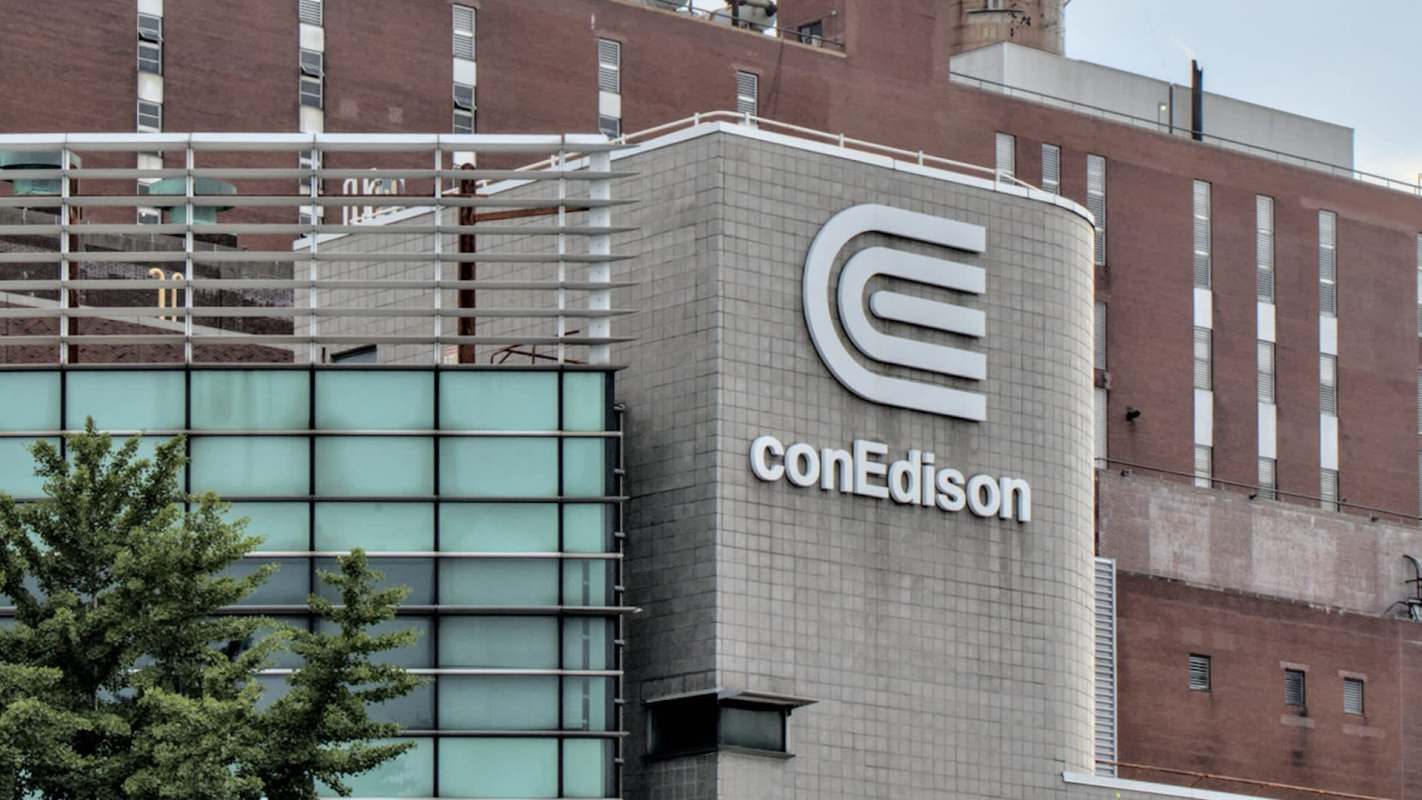
As New York City's heat wave continues, some residents are being urged to reduce their electricity use as the power grid faces added strain.
PIX11 reported that on the heat wave's second day, Con Edison lowered voltage in parts of the northwest Bronx and northern Manhattan and asked customers there to conserve energy while crews repaired equipment.
What's happening?
Con Edison has asked customers in parts of the northwest Bronx and northern Manhattan to cut back on electricity use as it responds to equipment trouble during the heat wave.
The utility reduced voltage by 8% in both affected areas during the repair work, a measure intended to protect equipment and help keep service in place.
In practice, that means some customers may notice their power is weaker than usual even if it has not gone out completely, per PIX11.
Con Edison's advisory names Riverdale, Marble Hill, Kingsbridge, and Van Cortlandt Park in the Bronx, along with Inwood, Hudson Heights, and Washington Heights in Manhattan.
TCD Picks » Quince Spotlight
💡These best-sellers from Quince deliver affordable, sustainable luxury for all




During the conservation period, customers are being told to avoid high-power appliances such as washers, dryers, and microwaves.
Con Edison also urged residents to hold off on EV charging, avoid using multiple air conditioners unless necessary, and keep cooling systems set to the highest comfortable temperature. The company did not immediately say when the advisory would end, per the station.
Why does it matter?
When extreme heat pushes power systems to their limits, even a localized equipment problem can quickly turn into a broader public safety issue.
Electricity is not just a matter of convenience during a heat wave. It powers air conditioning, refrigeration for food and medicine, elevators, medical equipment, and phone charging that people may need in an emergency.
Worsening extreme weather disasters endanger lives and livelihoods by increasing the risk of heat illness, disrupting critical services, and forcing families and businesses to contend with damaged equipment, lost income, and unsafe living conditions.
These events can hit hardest in dense urban neighborhoods, where older buildings, limited green space, and the urban heat island effect can make dangerous temperatures feel even worse.
A prolonged power disruption during high heat can also strain hospitals, hurt small businesses, and create costly ripple effects across a community. For many residents, especially older adults and people with health conditions, reliable cooling can be lifesaving.
What can I do?
If you live in an affected area, the most immediate step is to reduce electricity use during the advisory.
In practical terms, that means saving laundry for later, skipping the microwave when possible, delaying EV charging, and reducing the number of air conditioners running at once.
If you need cooling, safety still comes first. Set your AC to the highest temperature that still feels comfortable, keep blinds or curtains closed to block direct sunlight, and use fans to help circulate air. Avoid using ovens or other appliances that add heat indoors.
It can also help to unplug electronics you are not using and delay other heavy power use until later. Residents should keep an eye on local utility updates in case the affected zone changes or service conditions worsen.
For anyone sensitive to heat, it is smart to check on neighbors, stay hydrated, and know where nearby cooling centers or public indoor spaces are located in case indoor temperatures become unsafe.

Get TCD's free newsletters for easy tips, smart advice, and a chance to earn $5,000 toward home upgrades. To see more stories like this one, change your Google preferences here.






