


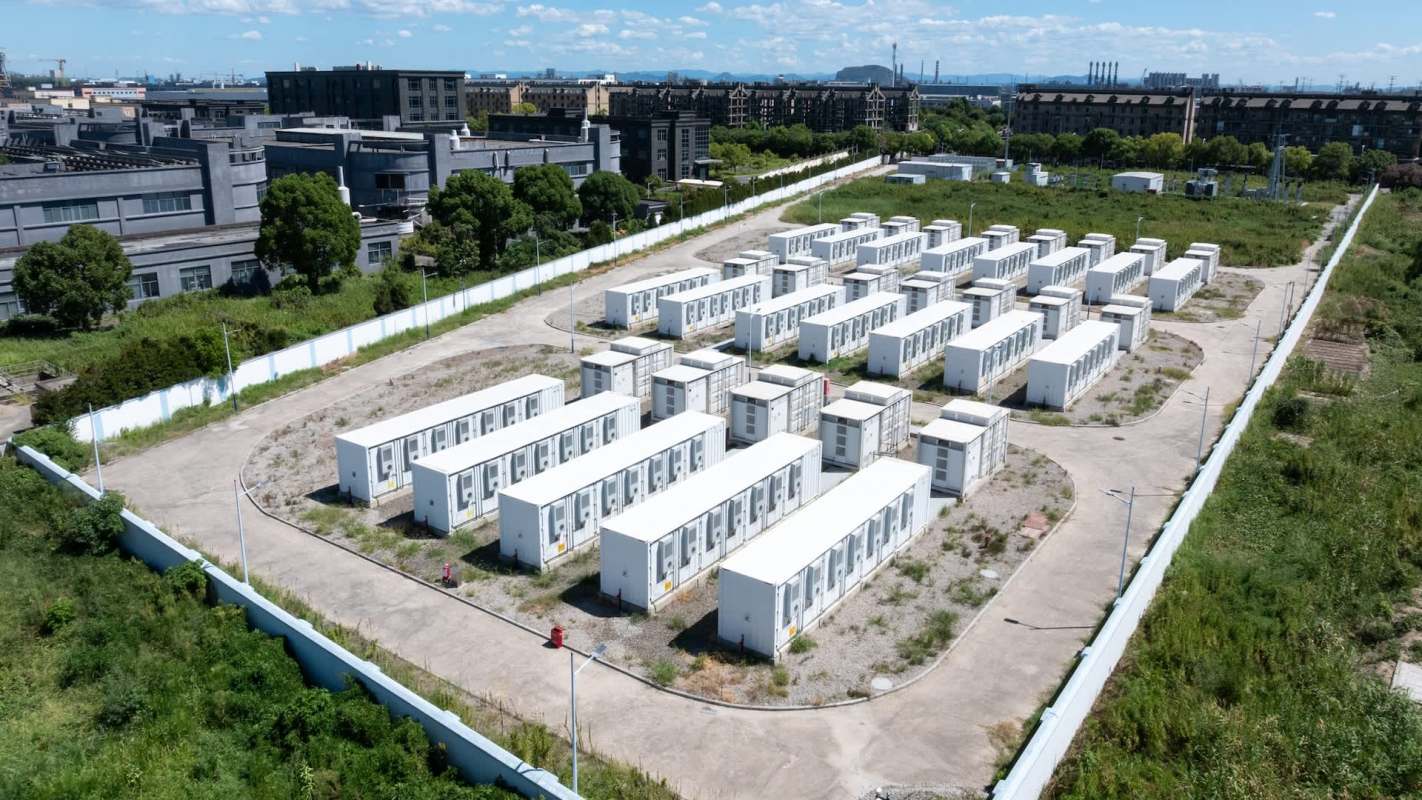
A major battery trend could make clean power far more useful in everyday life.
According to CleanTechnica, CATL said stationary energy storage has risen from roughly 2% of its battery sales five years ago to about 25% today, and it expects that share to reach 50% by 2030.
What happened?
Chinese battery giant CATL, the world's largest battery maker, is signaling that the next major growth market may not be electric vehicles alone — it may be the large battery systems installed alongside solar farms, wind projects, factories, buildings, and local power grids.
Reuters cited the forecast as coming from Kevin Tang, who oversees CATL's energy storage systems business in Europe. At CATL, which was founded in 2011, storage has grown from a niche offering into a central part of the business.
Why does it matter?
Batteries can help solve one of the biggest practical challenges tied to solar and wind power: timing.
Because renewable output depends on sunlight and wind conditions, grid operators can use batteries to bank excess electricity and release it later — in the evening, during cloudy stretches, or when demand peaks.
TCD Picks » Quince Spotlight
💡These best-sellers from Quince deliver affordable, sustainable luxury for all




Larger battery buildouts can help reduce blackout risks during heat waves and storms, provide neighborhoods and businesses with backup power, and lower costs by storing cheaper electricity when it is abundant and using it later, when power is more expensive.
For companies and cities, that can also mean less reliance on costly emergency generators and a more resilient grid.
A storage bet by a manufacturer as large as CATL could help speed deployment and improve affordability.
What are people saying?
Tang emphasized that CATL is working to secure its battery pipeline as the market expands. "CATL mines lithium in southern China to exert some control over the battery supply chain," he said, as reported by Clean Technica. "It also operates the world's largest recycling plant for recovery of the raw materials used in batteries."
Reuters also noted CATL already "has battery factories in Germany and Hungary, with another one being built in Spain under a joint venture with Stellantis."

Get TCD's free newsletters for easy tips, smart advice, and a chance to earn $5,000 toward home upgrades. To see more stories like this one, change your Google preferences here.






