


As opposition to artificial intelligence infrastructure grows, the issue is now moving into federal politics.
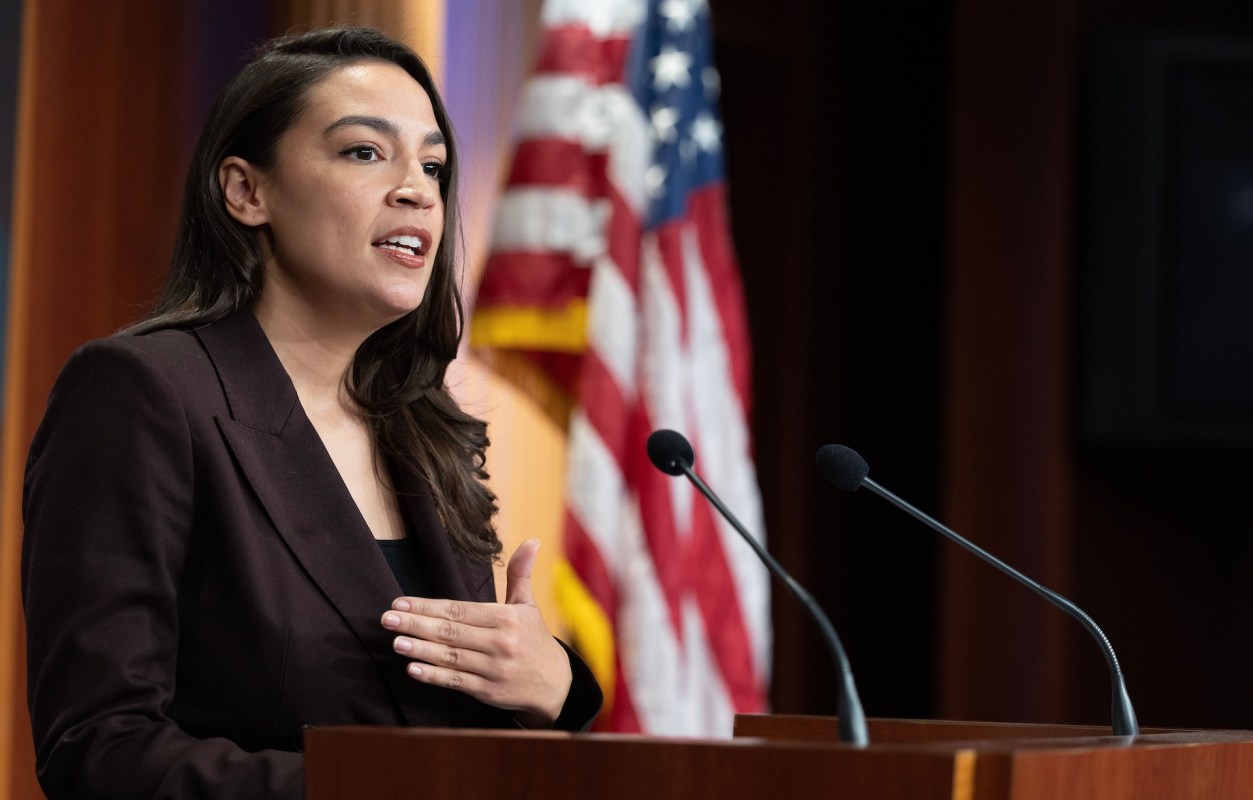
As More Perfect Union details in a video report, Rep. Alexandria Ocasio-Cortez recently introduced legislation to halt new data center construction and expansions nationwide until Congress establishes rules governing AI's environmental, economic, and safety impacts.
What's happening?
AOC's bill, the Artificial Intelligence Data Center Moratorium Act, would put a nationwide stop to both new data center projects and planned expansions. More Perfect Union summarized the news on its YouTube account (@moreperfectunion)
The video's narrator noted that the pause would continue until Congress approves legislation to address risks associated with AI's growth. It would also stop AI infrastructure from being exported to countries that lack comparable legal protections.
Support for that approach is already appearing elsewhere in Congress. Bernie Sanders introduced the same proposal in the Senate in March, and More Perfect Union said the top Democrat on the House Energy and Commerce Committee has also endorsed a moratorium.
The outlet also referenced a report that "70% of Americans don't want a data center being built where they live." More Perfect Union also noted that local governments have enacted nearly 100 temporary restrictions, as well as two indefinite bans in California and Missouri.
TCD Picks » Quince Spotlight
💡These best-sellers from Quince deliver affordable, sustainable luxury for all




Why does it matter?
Data centers are the physical backbone of AI. They power chatbots, image generators, cloud computing, and other digital tools. The flipside is that they also require enormous amounts of electricity and, in many cases, significant amounts of water for cooling. That creates a direct connection between AI growth and the energy grid.
"Until drinkable water is readily available and accessible to all humans giving computers water in this magnitude needs to be banned," a user remarked on the video.
The debate affects utility bills, local land use, water supplies, and the pace at which AI should be allowed to scale before safeguards are put in place. The video, in particular, referenced the backlash to celebrity investor Kevin O'Leary's project in Utah.
What's being done?
At the federal level, the new House bill and Sanders' Senate version show that concerns about data centers are no longer just local disputes.
At the local level, temporary and indefinite bans indicate that some communities are already trying to slow projects as they study the environmental and economic trade-offs. Residents and officials are weighing energy demand, water access, noise, tax benefits, and who ultimately bears the cost.
The push for a moratorium reflects growing demand for AI rules that balance innovation with public protections, rather than treating faster buildout as automatically better.
"I think the number is closer to 100% of Americans [who] don't want a data center built where THEY live," a commenter wrote. "I guarantee that 100% of the people profiting off them don't."

Get TCD's free newsletters for easy tips, smart advice, and a chance to earn $5,000 toward home upgrades. To see more stories like this one, change your Google preferences here.






