


A recall affecting solar power banks in the U.S. is a reminder that even useful backup technology can become dangerous when batteries fail.
What happened?
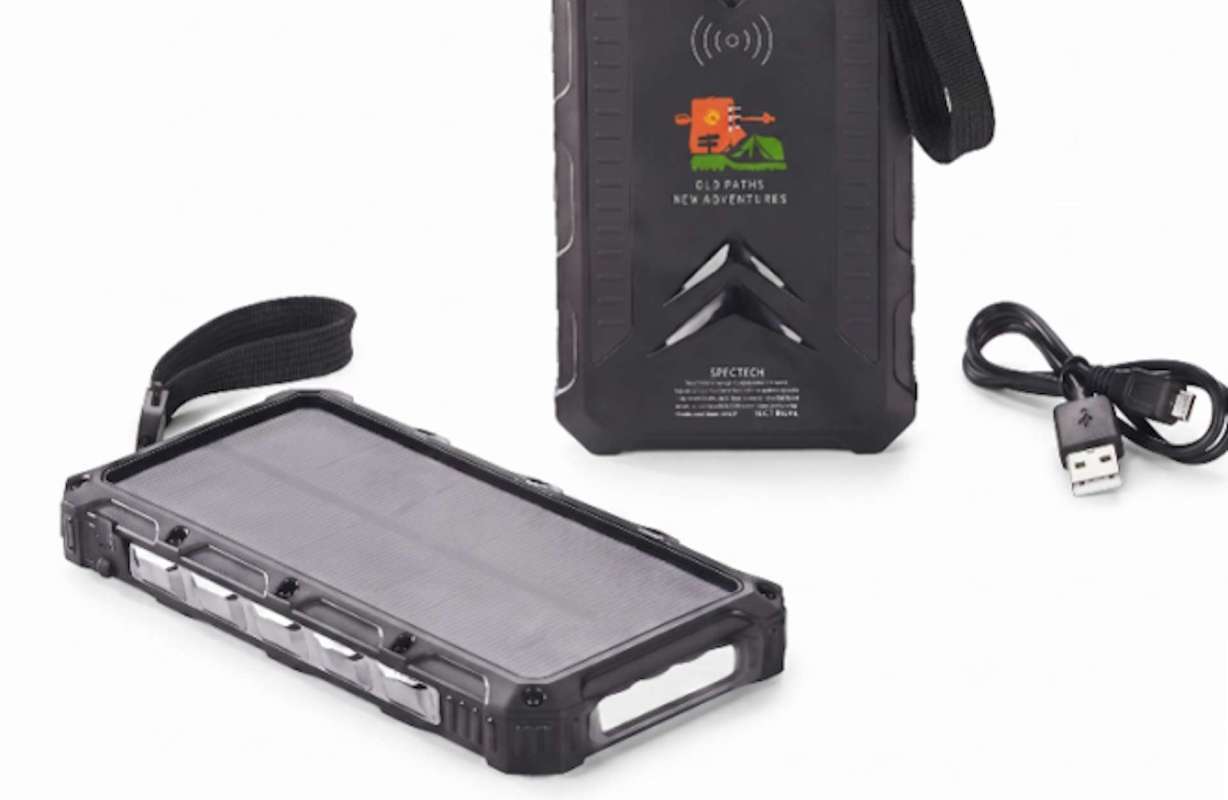
Following two reports of battery swelling, Spector & Co. of Saint Laurent, Quebec, Canada, has recalled about 7,400 units of its Super Off-Road 12,000 mAh Solar Wireless Power Bank in the U.S., according to a Consumer Product Safety Commission notice.
No injuries have been reported, per the notice. The CPSC reported that the recalled power banks are black, measure about 3.4 inches by 6.5 inches, and were distributed as promotional giveaways between January 2019 and December 2023.
The device includes solar charging capability and can wirelessly charge phones and other electronics. The CPSC added there are nearly 5,000 additional ones that were sold in Canada and that the product itself was manufactured in China.
Why does it matter?
Battery-powered backup devices are used to keep phones and other electronics running during storms, travel, work, and outages. Portable solar battery packs, in particular, are often used for commuting, camping, storm preparation, and power outages.
A defective battery inside a product meant for emergencies can create a fire risk at home, in a vehicle, or in a bag.
TCD Picks » Quince Spotlight
💡These best-sellers from Quince deliver affordable, sustainable luxury for all




Solar chargers and rechargeable battery packs can save time and offer flexibility, but only when they are manufactured and handled safely. A swelling battery is a warning sign.
Lithium-ion batteries can ignite if they are damaged or disposed of improperly, which is a key concern for their application from EV batteries to grid-sized batteries. Developing battery alternatives or increasing safety of existing ones is a focus of many companies.
What can I do?
Owners should stop using the recalled power bank and go to spectroandco.com/recall to register for a full refund by check, as directed in the CPSC notice. That is despite the fact that the products were given away as part of a promotion.
Because recalled lithium-ion batteries carry a higher fire risk, the notice advised that this device should not go into the trash, curbside recycling, or regular store battery drop boxes.
Instead, if you own one, you should check first with your local household hazardous waste collection center to see whether it will accept the device. If it will not take recalled lithium-ion batteries, contact your municipality for other disposal instructions.

Get TCD's free newsletters for easy tips, smart advice, and a chance to earn $5,000 toward home upgrades. To see more stories like this one, change your Google preferences here.






