


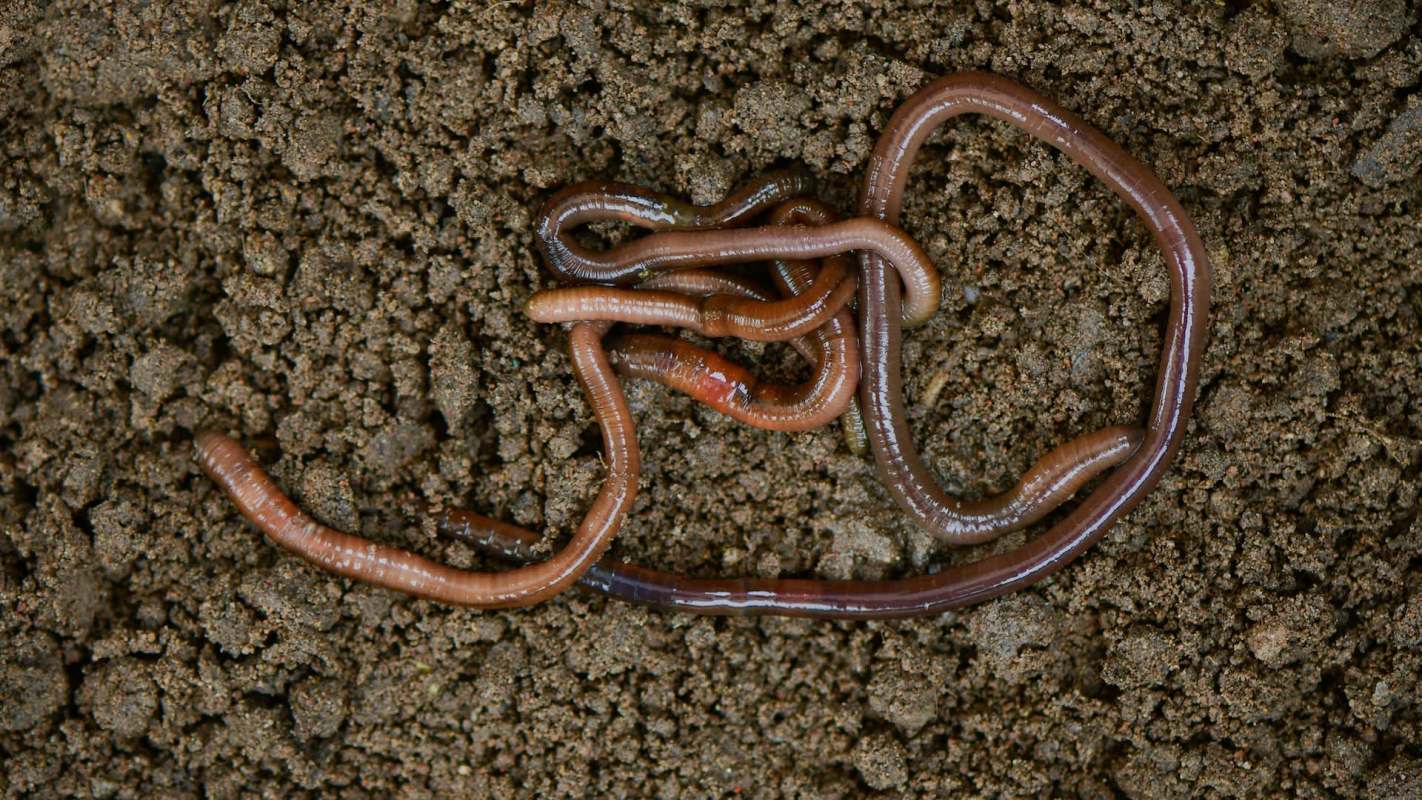
An invasive worm that is easy to confuse with a regular nightcrawler is becoming a serious headache for Oregon gardeners, as Oregon Public Broadcasting reports.
Known as jumping worms, the species came from East Asia and, scientists say, can damage soil quickly enough to put plants, water retention, and the health of local ecosystems at risk.
What's happening?
In recent video and text reports, OPB showed that invasive jumping worms are spreading in Oregon, including at a Salem community garden where the problem can be hard to spot at first.
Although they resemble common earthworms, jumping worms do not benefit the ground in the same way, OPB noted. Instead, they quickly eat through the leaf litter and other organic material that plants and helpful organisms need, the outlet said.
The result is soil that becomes dry and loose, making it worse at retaining moisture and supporting roots. Because gardens and green spaces rely on rich, stable soil to produce food, flowers, and trees, scientists are concerned the problem could move beyond the Willamette Valley, OPB reported.
Other states have already been dealing with the worms. OPB reported that Minnesota's DNR has urged both gardeners and anglers to watch for them, and that Wisconsin has tracked their spread since 2013.
TCD Picks » Quince Spotlight
💡These best-sellers from Quince deliver affordable, sustainable luxury for all




Why does it matter?
Healthy soil supports community gardens that help people grow food, lower grocery bills, and build local connections.
When invasive worms break that system down, the damage reaches far beyond a single flower bed. The effects can show up as weaker plants, drier ground, and more time and money spent trying to repair soil that suddenly stops functioning the way it once did. In shared garden spaces, a single infestation can affect many plots at once.
The environmental consequences are broader as well. Leaf litter is not just yard debris. Rather, it helps regulate moisture, feeds fungi and microorganisms, and provides habitat for insects and other wildlife.
When that layer disappears too quickly, it can disrupt the small but essential processes that keep ecosystems functioning. They can undermine conservation work from the ground up, making it harder to restore habitat, grow food locally, and protect biodiversity.
What can I do?
The most practical response right now is to slow the worms' spread. Gardeners should be cautious about moving soil, compost, mulch, and potted plants from one place to another, since those materials can carry worms or cocoons without anyone noticing.
It also helps to clean tools, boots, and equipment after working in an infested area. Anglers can reduce the risk by disposing of bait properly instead of dumping unused worms on the ground, where they may survive and spread.
Community gardens and neighborhood groups can take action too by checking new soil deliveries, sharing identification tips, and encouraging members to report suspicious infestations to local extension services or state agencies.
Individual steps will not solve the problem on their own, but they can make it harder for the worms to establish themselves in new places.
If soil suddenly starts to look loose, dry, and grainy it may be a sign of jumping worms.

Get TCD's free newsletters for easy tips, smart advice, and a chance to earn $5,000 toward home upgrades. To see more stories like this one, change your Google preferences here.






