


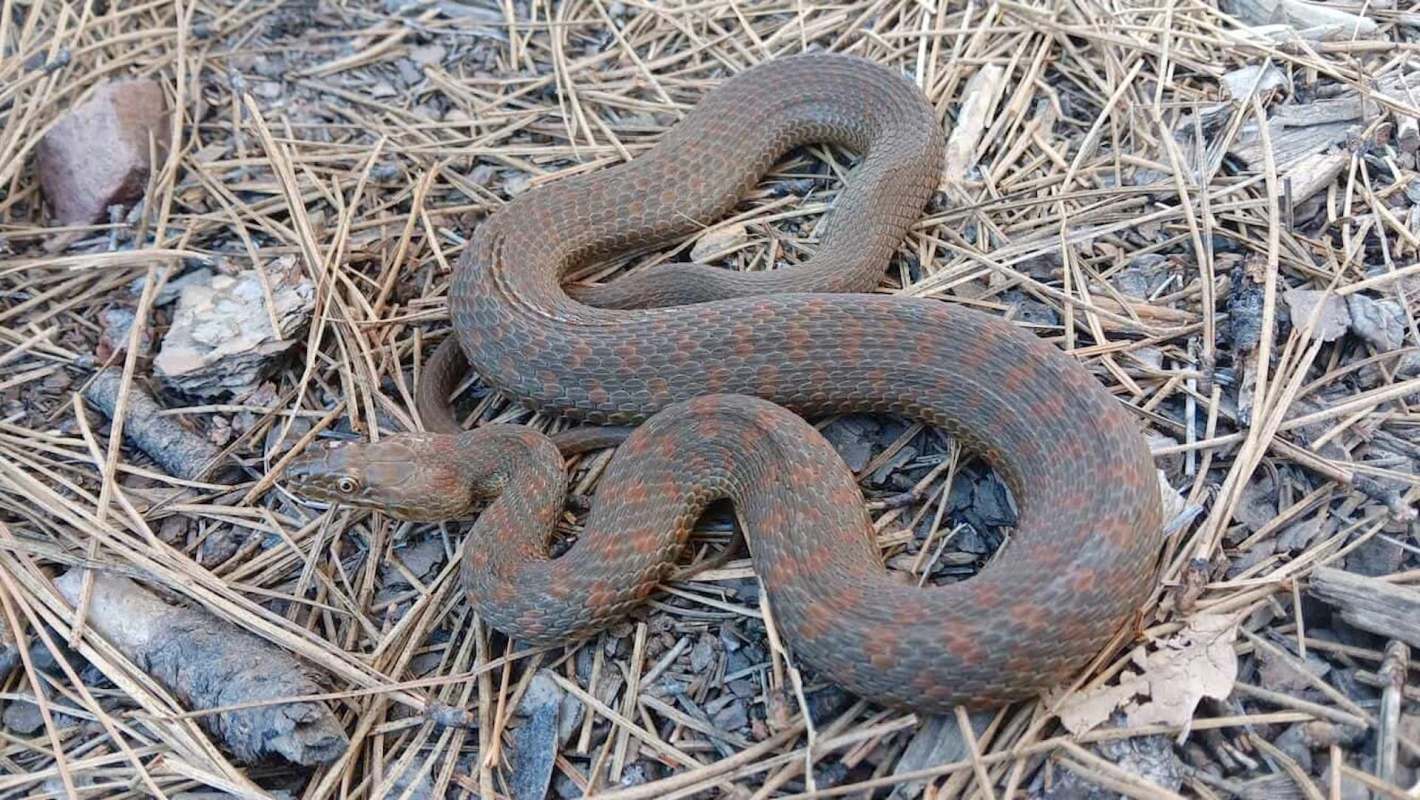
A May release at Canyon Creek introduced 21 threatened narrow-headed garter snakes into new habitat and pushed the Phoenix Zoo's breeding effort to a notable threshold: 100 snakes returned to the wild.
For a species that survives in only a narrow slice of the Southwest, each successful release can help move recovery in the right direction.
What happened?
On May 19, a team from the Arizona Game and Fish Department, the Arizona Center for Nature Conservation/Phoenix Zoo, the U.S. Forest Service, the Amphibian and Reptile Conservancy, and the University of Arizona went into Tonto National Forest to place 21 zoo-born narrow-headed gartersnakes in Canyon Creek, Sedona Red Rock News reported.
Among the species' limited native habitats are rocky Mogollon Rim streams near ponderosa pine forest, including the release area along Canyon Creek. The snake, Thamnophis rufipunctatus, is nonvenomous and native to Arizona and New Mexico, with a long, narrow head and coloring that ranges from olive to blue-gray with reddish spots.
Researchers gave every snake a unique microchip like the kind used for pets, then installed tracking arrays along the creek to follow both the released snakes and wild snakes in the area through the summer.
Why does it matter?
Protected as a threatened species under federal law, the narrow-headed gartersnake faces a mix of pressures that includes habitat loss, drought, and invasive fish and crayfish. Because it depends on rocky streams, helping the species recover also requires attention to the condition of those waterways in an already water-stressed region.
TCD Picks » Quince Spotlight
💡These best-sellers from Quince deliver affordable, sustainable luxury for all




Healthy creeks support broader ecosystems, help sustain native wildlife, and preserve the natural landscapes that define many Arizona communities. Recovery work like this can also bring together state agencies, scientists, nonprofits, and local land managers around stewardship instead of short-term rescue.
Captive breeding programs can do more than keep a species alive in human care. When they succeed, they can help rebuild wild populations and give threatened animals a real chance to reclaim their place in nature.
What are people saying?
Mason Ryan, Arizona Game and Fish Department Species of Greatest Conservation Need Projects Coordinator, framed the release as a sign of the program's broader work: "This is much more than a milestone — it highlights the dedication to establishing a thriving breeding program for this finicky species."
For the agencies involved, the release is one benchmark in a longer recovery campaign for the snake, and its significance will ultimately depend on whether Canyon Creek can support a stronger wild population.

Get TCD's free newsletters for easy tips, smart advice, and a chance to earn $5,000 toward home upgrades. To see more stories like this one, change your Google preferences here.






