


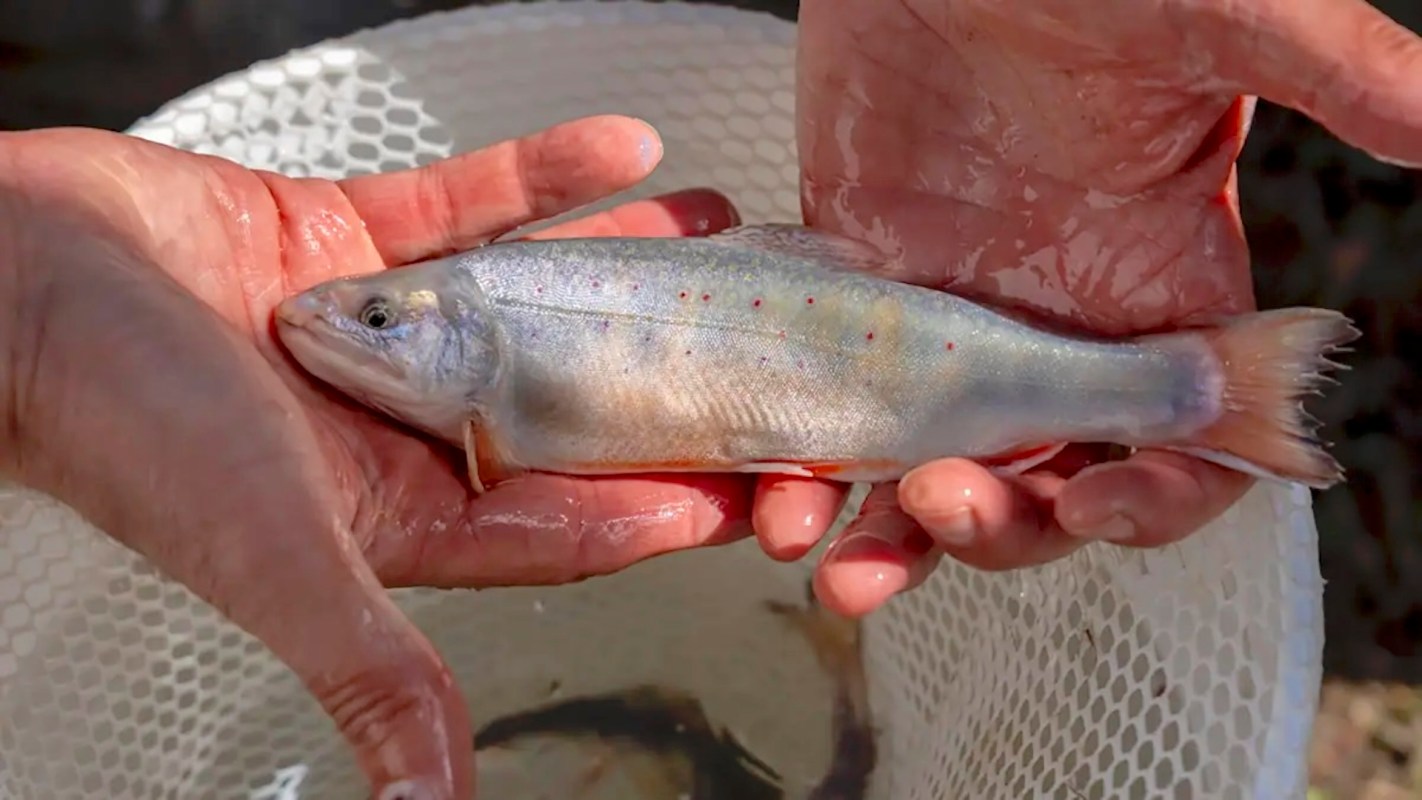
Colorado wildlife officials are drawing attention for an unusual conservation strategy, using "Trojan" brook trout to wipe out invasive fish by producing all-male broods.
The effort is meant to give native cutthroat trout a better chance of surviving in mountain waters where brook trout have long outcompeted them, Wired2Fish reported.
What happened?
By releasing male brook trout with two Y chromosomes, Colorado Parks and Wildlife is trying to throw invasive populations off balance. The agency started using these YY, or Trojan, fish in 2024, with the expectation that over time they will produce more male-only offspring and leave fewer breeding females in affected waters.
Biologists create the fish by treating young male brook trout with estradiol so they can produce viable eggs. Some of the offspring from that process are YY males, and when those fish later breed with wild females, the population moves toward all-male broods until the invasive trout can no longer sustain themselves and die out naturally.
Officials see it as a practical way to restore native fish without remaking the entire ecosystem.
Why does it matter?
Brook trout arrived in Colorado in the late 1800s, even though they are not native to the state.
TCD Picks » Quince Spotlight
💡These best-sellers from Quince deliver affordable, sustainable luxury for all




Since then, they have put pressure on native cutthroat trout, a species closely tied to Colorado's natural heritage, because brook trout hatch earlier and compete aggressively for food.
Healthy native fisheries can support outdoor recreation, strengthen economies, and create more resilient waterways. Unlike chemical removal methods, this approach targets one invasive species without affecting everything else in the water.
The approach could be a major step forward in conservation work, especially in remote headwaters where repeated electrofishing or broad chemical treatments can be expensive and disruptive.
Officials have already reported promising results. Surveys last year in Bobtail and Steelman creeks counted more than 1,300 cutthroat trout, a major jump from counts observed in 2011.
"We continue to see positive results for our native cutthroat trout population from the brook trout removal efforts," Hot Sulphur Springs area aquatic biologist Jon Ewert said. "It has been really encouraging to see how far we have come in restoring the native cutthroat trout since 2011, when we only observed 123 cutthroat trout in these creeks."
George Schisler, CPW's aquatics research chief, told The Colorado Sun: "It's a pretty simplistic approach, really. And it's a little surprising, actually, that it took so long for management agencies to start using it. Because it's a really elegant solution to these situations where we have populations that we don't want to kill with chemicals."

Get TCD's free newsletters for easy tips, smart advice, and a chance to earn $5,000 toward home upgrades. To see more stories like this one, change your Google preferences here.






