


A Reddit post about Google's updated terms of service is reigniting a familiar fear: that using today's most convenient digital tools may also mean feeding the artificial intelligence and ad systems many people are trying to avoid.
For privacy-minded users, the question wasn't subtle: If the fine print feels nonnegotiable, is the only real opt-out to leave?
What's happening?
A user in the r/Anticonsumption forum shared screenshots of Google's terms and posed a blunt question about what they appeared to allow.
"I'm not a lawyer, and I'm not studying every small print, but this is basically saying, 'if you don't want them to scrape your content for their AI and other ad services, you can [leave],' right?" the original poster wrote.
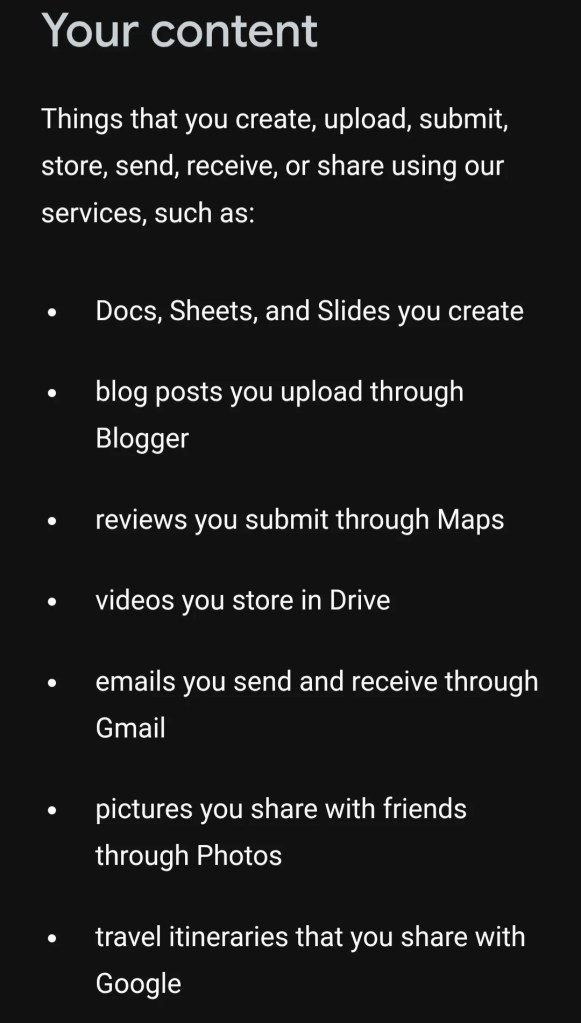
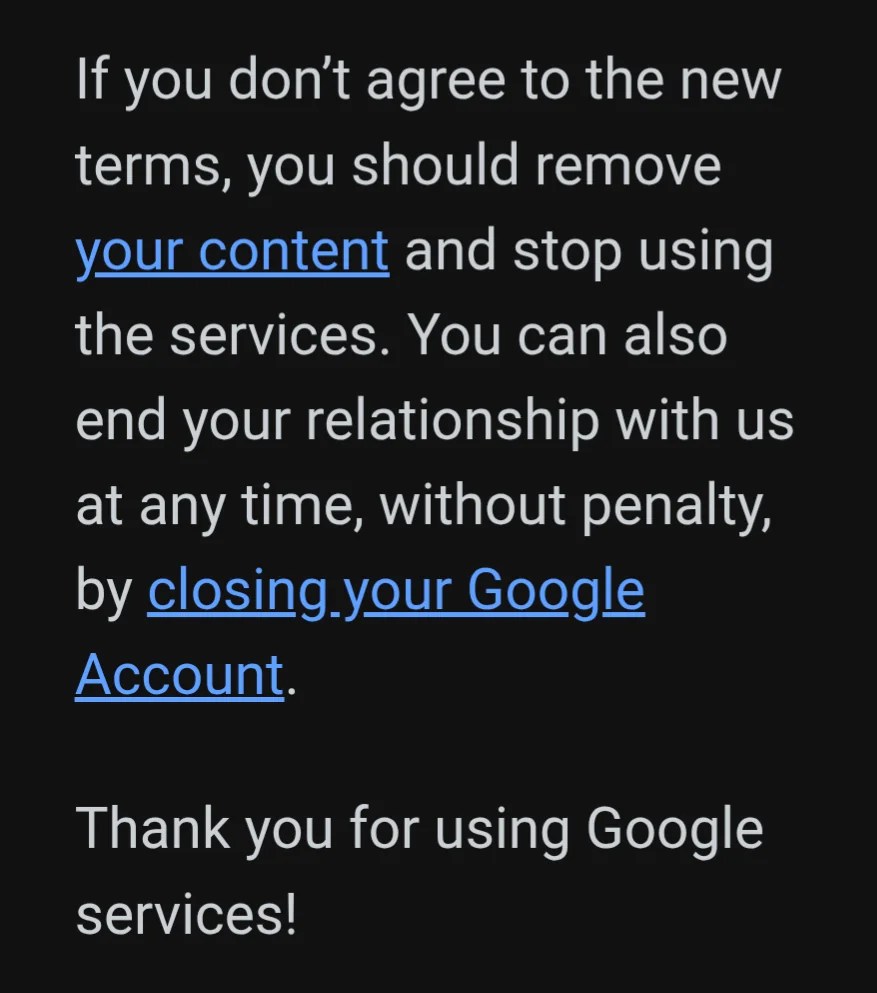
The OP made clear that this was not just about one policy update or one company.
"Digital consumption of services is still consumption so I think this is relevant to the sub," they added, tying privacy concerns to a broader anti-corporate, anti-overconsumption mindset.
TCD Picks » Quince Spotlight
💡These best-sellers from Quince deliver affordable, sustainable luxury for all




While some commenters argued over whether the terms were truly new or had simply escaped notice until now, others focused on next steps.
Users shared privacy-oriented alternatives to Google search, email, and file storage, and raised concerns that personal documents, photos, and reviews could be used to improve AI systems or ad tools.
"Well, this is as good a reminder for me to take my remaining sheets that contain any important data off Google and back onto my local storage," one wrote.
"Well, looks like it's time to shift back to local-only docs for personal stuff," another added. "This is so exhausting - I don't want my stuff scraped by AI!"
Why does it matter?
For many people, cloud tools feel less like optional apps and more like basic infrastructure for work, school, and daily life. That is why disputes over terms of service can feel so one-sided: If your files, contacts, and routines already live inside one ecosystem, "just leave" may not feel like much of a choice.
On the upside, AI can help utilities forecast demand, manage battery storage, and make it easier to integrate wind and solar power. But training and running AI systems in large data centers can also consume huge amounts of electricity and water, potentially straining local resources, increasing security risks, and adding costs that may eventually show up in people's bills.
What can I do?
For users who feel uneasy, the first step is usually smaller than a full digital breakup. Review account settings, turn off activity tracking and ad personalization where possible, and check what kinds of files, photos, or posts you're automatically syncing or storing.
The original poster outlined a gradual move away from Google: history and targeted ads were already turned off, Google search had been abandoned more than a year earlier, and secure email and file sharing were services they were willing to pay for.
That kind of step-by-step approach may be more realistic than trying to replace everything overnight.

Get TCD's free newsletters for easy tips, smart advice, and a chance to earn $5,000 toward home upgrades. To see more stories like this one, change your Google preferences here.






