


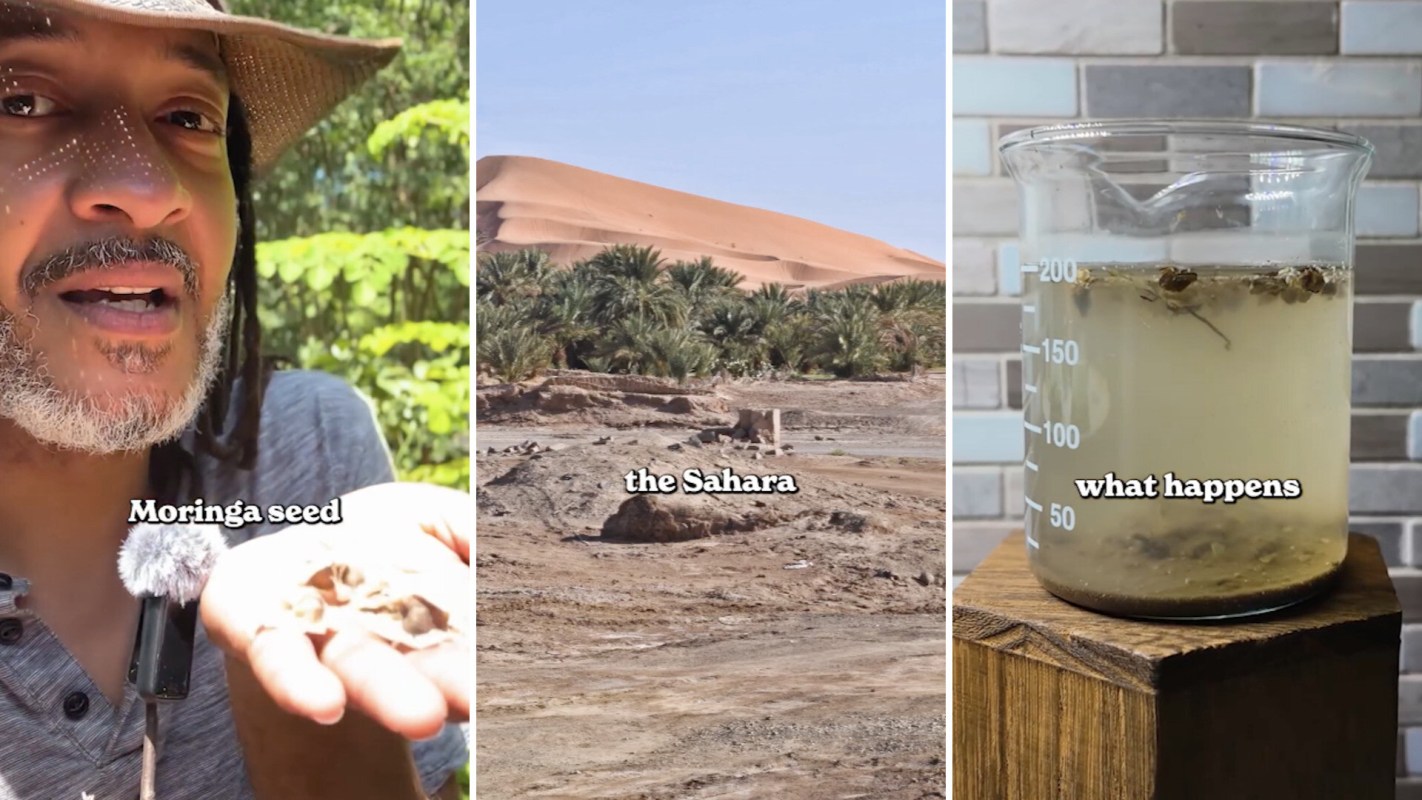
Moringa has caught the interest of home gardeners who want a plant that can yield more food from limited space.
In warm climates, the tree may appeal to growers because it grows quickly and can provide edible leaves, pods, and seeds, offering several kinds of harvest from a single plant and helping households stretch grocery budgets.
What's happening?
In an Instagram post, Urban Gardening with Gray (@urbangardeningwithgray) pointed to moringa as a useful choice for backyard growers, stating, "Most people see moringa as just another tree" even though much of the plant can be eaten.
Creator Graylen Brown wrote that moringa is "one of the fastest-growing edible trees on the planet," with edible leaves, pods, seeds, and flowers.
Because it supplies multiple edible parts, moringa may stand out for gardeners in warm regions who want a tree that does more than serve an ornamental role.
It also reflects a broader trend of people rethinking their yards, patios, and gardens as spaces that can provide fresh food instead of simply aesthetics.
TCD Picks » Quince Spotlight
💡These best-sellers from Quince deliver affordable, sustainable luxury for all




Why does it matter?
Moringa can offer several benefits at once. Growing food at home can help households cut produce costs, particularly when grocery prices are unpredictable. Fresh-picked food also tends to taste better than store-bought alternatives, which is one reason many gardeners find homegrown crops worth the effort.
There are health benefits as well. Gardening can encourage spending time outdoors and physical activity, and many people also find it calming and good for mental well-being. Even a small garden can become a source of both stress relief and fresh food.
In the right climate, moringa may offer all that in a single plant. If the leaves, pods, and seeds are all usable, growers may get more value from one tree than they would from a plant with only one harvestable part.
Edible landscaping can also be practical. A fast-growing tree that produces food may help people make better use of their outdoor spaces without requiring large, traditional gardens.
What can I do?
If you live in a warm climate, moringa may be worth researching as part of your home garden plans. Before planting, check whether it suits your growing conditions, available space, and water needs. Starting with crops suited to your climate is often one of the easiest ways to set yourself up for success.
Choosing productive plants can be a smart way to build a garden that is both enjoyable and useful.
For gardeners who already grow food, moringa offers an alternative to usual vegetables and herbs. Trees and perennial plants can provide harvests over multiple seasons, reducing the need for replanting while supplying fresh ingredients at home.
If pests or weeds become an issue, there are also low-impact ways to manage them.

Get TCD's free newsletters for easy tips, smart advice, and a chance to earn $5,000 toward home upgrades. To see more stories like this one, change your Google preferences here.






