


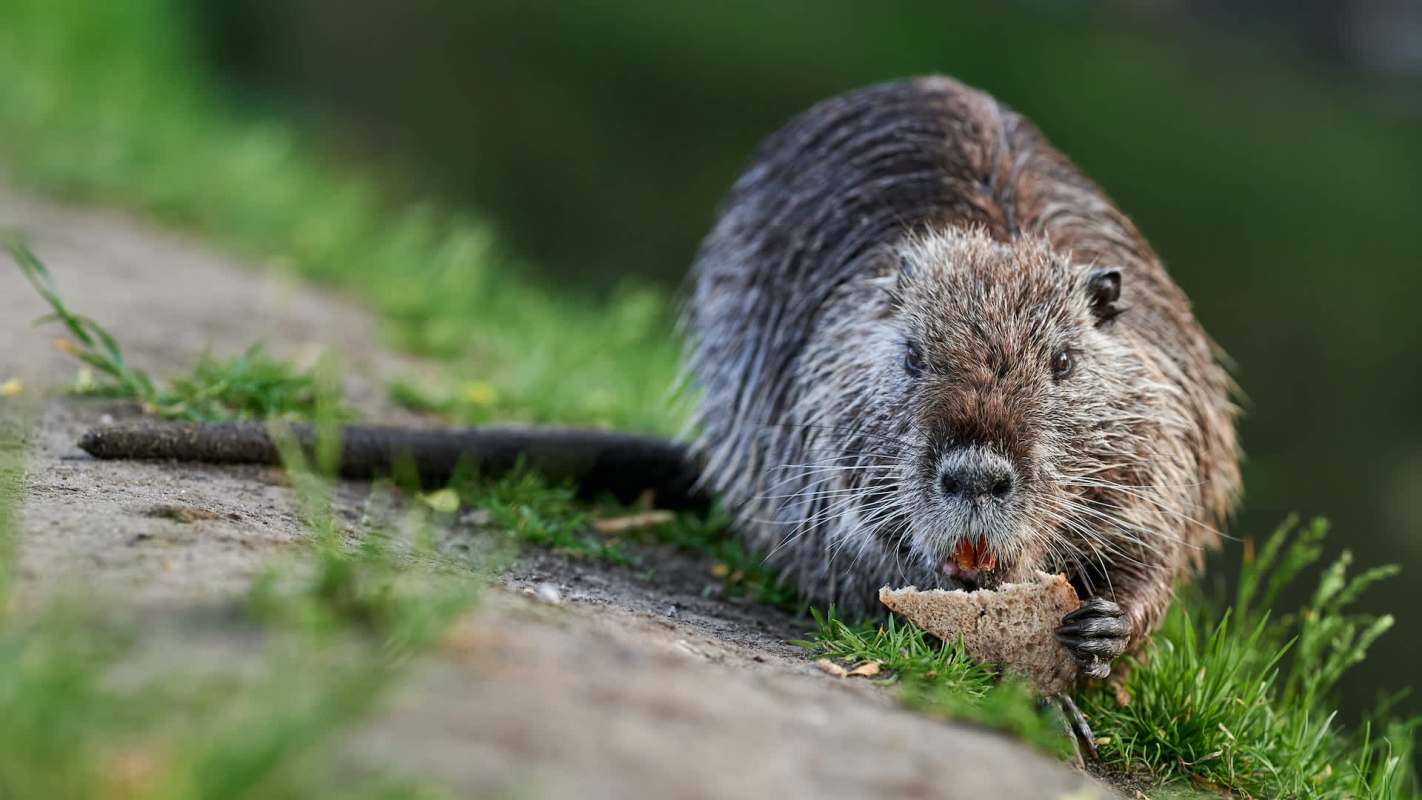
A destructive invasive species is putting pressure on California's marshes: nutria. These semi-aquatic rodents can weigh about 20 pounds, have orange teeth and hairless tails, feed on crops and wetland vegetation, and dig into the levees that shield nearby communities.
Once believed to have been eradicated in the state, the animals are now spreading again through critical wetland habitat.
What's happening?
Landowners and wildlife officials in Northern and Central California are reporting more nutria sightings, Local News Matters reported.
Their feeding habits are especially damaging: the South American animals eat about a quarter of their body weight in vegetation each day, and the destruction they leave behind exceeds the amount they consume. Adults can grow to around 20 pounds.
David Steiner, a local, said the animals at his Suisun Marsh duck club were easy to mistake for other wildlife: "You'd see this animal swimming with just its head above the water. At first glance they could've been beavers or muskrats." He and others realized what they were dealing with when the rodents started appearing on levee banks.
Local News Matters reported that the California Department of Fish and Wildlife has removed thousands of nutria since a pregnant female turned up in Merced County in 2017, but the animals have continued to spread into multiple counties. A later update from the agency said genetics research suggests the nutria now in California were likely introduced from Oregon in recent years.
TCD Picks » Quince Spotlight
💡These best-sellers from Quince deliver affordable, sustainable luxury for all




Matthew Slattengren, agricultural commissioner for Contra Costa County, warned: "We really don't need 20-pound invasive rodents attacking our crops in this county."
Why does it matter?
Nutria pose a direct threat to wetlands, farms, and public infrastructure.
That burrowing behavior threatens flood protection. Levees in the Delta already defend at-risk communities and farmland, and Edwin Grosholz, a Distinguished Professor Emeritus in the Department of Environmental Sciences at the University of California, Davis, said nutria could make matters worse: "They could really accelerate the end-game (of widespread levee collapse)."
Damaged levees can threaten homes, local economies, water systems, and the health of one of California's most important ecological regions.
Nutria also spread disease and parasites, adding to the risks.
Their spread also drains time and funding from other urgent conservation work. Grosholz noted that state agencies are already stretched thin as they respond to multiple invasive species threats.
What's being done?
California Department of Fish and Wildlife spokesperson Steve Gonzalez said the agency is relying on cameras and fieldwork to locate and remove nutria in areas where populations are known.
"We have staff with boots on the ground 365 days a year," Gonzalez stated. "Currently, there is a small window of opportunity to successfully eradicate the nutria population in California."
Some local experts believe full eradication may no longer be realistic in places such as Suisun Marsh, where habitat expands dramatically when seasonal marshes flood. Steven Chappell, executive director of the Suisun Resource Conservation District, said those changing conditions make the animals much harder to detect.
Local News Matters reported that officials warned that swimming nutria can be confused with protected animals such as beavers and otters.
"It's not as though they're easy to control," Chappell said. And in his view, "Ongoing management is probably a more reasonable hope."

Get TCD's free newsletters for easy tips, smart advice, and a chance to earn $5,000 toward home upgrades. To see more stories like this one, change your Google preferences here.







