


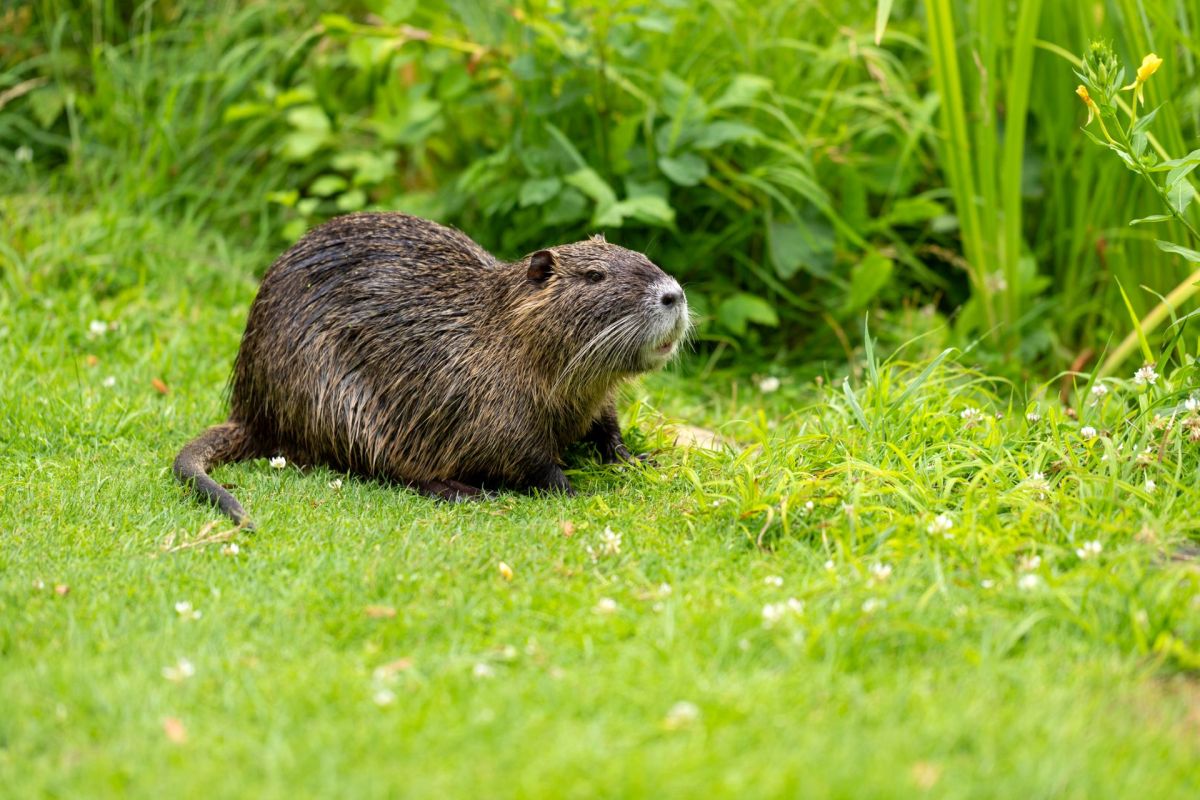
Wildlife officials now think the nutria that reappeared in California were likely not natural arrivals, deepening the state's already difficult battle with the destructive rodents.
The latest research points to human involvement in their return, a possibility that would mean someone helped reestablish an invasive species that threatens farms, wetlands, and critical water systems.
What happened?
According to The Los Angeles Times, a new California Department of Fish and Wildlife study found a strong genetic similarity between nutria in California and those in Oregon. Because of the distance between the two states, researchers say it is highly unlikely the rodents made that move on their own.
That conclusion has pushed wildlife experts toward a troubling explanation: the animals were probably deliberately introduced into California. The exact motive is still unknown, but researchers think some people may have viewed nutria as a way to deal with overgrown vegetation or may have simply wanted them there.
Originally from South America, nutria were imported into the United States in the early 1900s for a fur industry that never became successful. California had considered the species gone for decades before a pregnant female turned up in Merced County in 2017.
Since that discovery, the state has mounted a costly response. Officials have removed 7,841 nutria through trapping and by using sterilized animals with tracking devices to help find others in the wild.
TCD Picks » Quince Spotlight
💡These best-sellers from Quince deliver affordable, sustainable luxury for all




Why does it matter?
Despite their odd mix of beaver-like bodies, webbed feet, and rat tails, nutria can inflict major environmental damage. They can eat up to a quarter of their body weight in vegetation, dig burrows that wreck marshes, and harm waterways that farms and communities rely on.
In California, where agriculture and water infrastructure are already under strain, an invasive species that weakens levees, wetlands, and irrigation areas can create ripple effects for food production, public resources, and local economies.
The animals are now concentrated in Central Valley marshes, particularly near the Sacramento-San Joaquin Delta, one of the state's most important water hubs. Damage in that region can slow progress toward healthier ecosystems and more resilient communities, especially in areas already under environmental pressure.
The nutria's return after nearly four decades of apparent eradication also shows how quickly invasive species can undo years of conservation work. Even a small number of introduced animals can become a widespread problem when reproduction is rapid, and winters stay mild.
What's being done?
California wildlife officials are continuing an aggressive removal campaign aimed at stopping the rodents from gaining an even stronger foothold. That effort includes trapping and using sterilized nutria with tracking devices that can lead teams to hidden populations.
Federal officials have also floated another option: hunting nutria and cooking them for food. The U.S. Fish and Wildlife Service has suggested that eating the animals could help reduce their numbers, and at least one TikTok user has already made them into tacos, the Times noted.
Moving wildlife, whether as pets, for landscaping, or for pest control experiments, can introduce invasive species into new habitats. When invasive species are introduced into a new habitat, the costs are often borne by farmers, taxpayers, and nearby communities.

Get TCD's free newsletters for easy tips, smart advice, and a chance to earn $5,000 toward home upgrades. To see more stories like this one, change your Google preferences here.






