


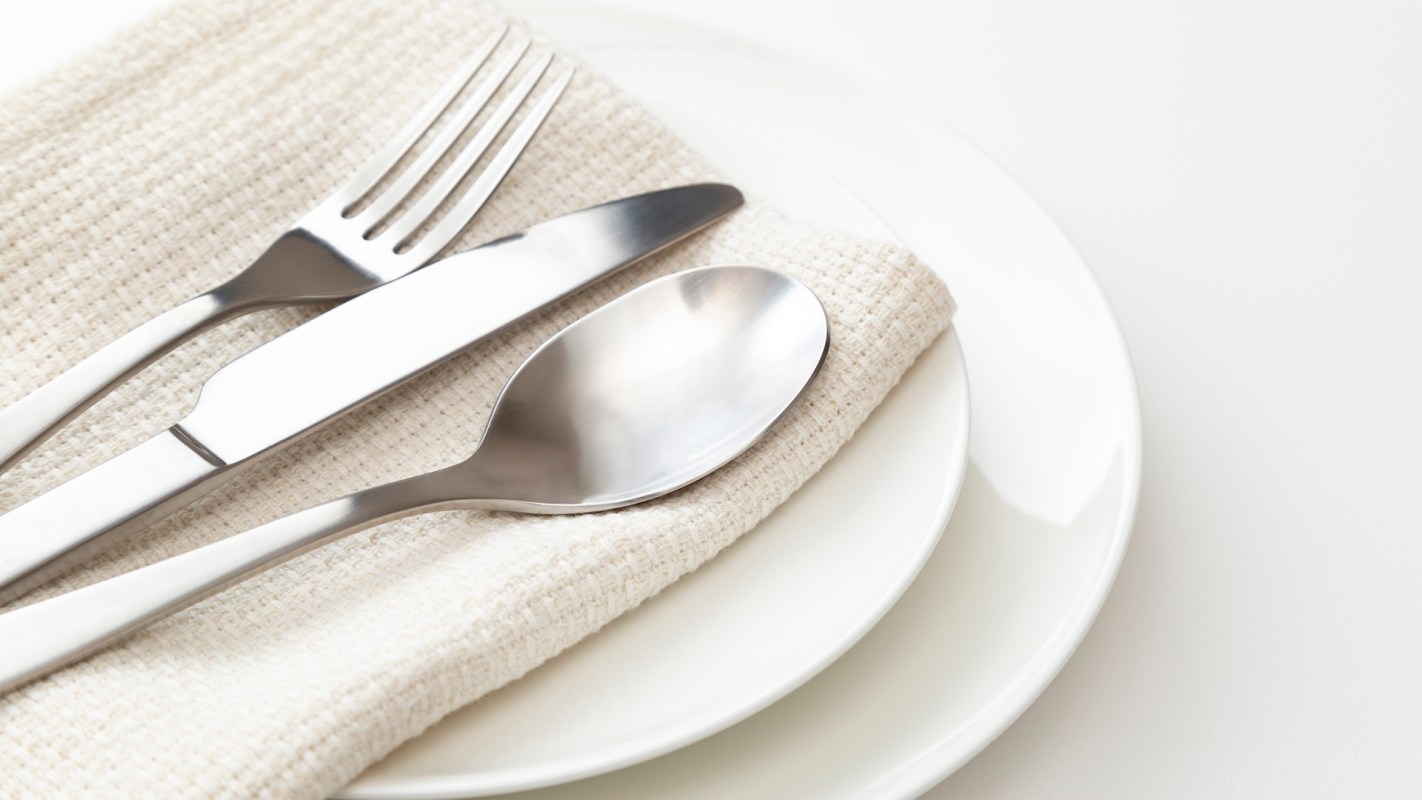
Some people might be tempted to use cloth napkins as a sustainable alternative to paper versions, but they could be put off by logistical challenges.
However, for those who already use them, the adjustment is more like a habit shift than a difficult new kitchen task.
What's happening?
A Reddit thread began with a question for people who already use cloth napkins at home.
Aside from the usual environmental and money-saving arguments, the original poster wanted to know what the real advantages and drawbacks of giving up paper napkins were.
A common theme in the replies was how little extra work the switch seems to add. Commenters did not describe an elaborate routine; several said the used napkins simply get washed along with the laundry they already run.
"It's very easy," one wrote. "We keep a basket of clean ones and toss the dirty ones in with towels."
TCD Picks » Quince Spotlight
💡These best-sellers from Quince deliver affordable, sustainable luxury for all




They added that extends to cleaning cloths, emphasizing that "it's no trouble."
Another said that "the texture and performance of a woven material" was far superior to disposable paper versions.
"The look when you set the table (coffee or dining) to eat is just nicer and they are so easy to clean," they continued.
Why does it matter?
One appeal of the change is that it replaces something a household has to keep buying. A pack of paper napkins may not feel like a major expense, but it is still a product that needs regular replenishing, while cloth versions are usually bought once and only replaced occasionally.
Once a household has a regular rotation, there is less chance of running out unexpectedly before the next meal or when guests come over.
Commenters also suggested that the switch does not call for special gear, separate shopping, or a fussy washing routine. After use, the napkins can just be added to loads with towels or other kitchen cloths.
"I never run out of napkins, they look much better and they are environmentally better," a user summed up.
What can I do?
Based on the advice in the thread, the easiest system is to store clean napkins in an obvious spot where paper ones might normally sit, and setting aside a designated place for the used ones. That dedicated drop zone could be a small hamper, basket, or bin in the kitchen.
Starting small can make the switch easier, too. There is no need to replace every paper product overnight. A household might begin with weeknight dinners or packed lunches, then build the habit before expanding.
Durable, easy-to-wash napkins are more likely to become everyday tools rather than "special occasion" items left untouched in a drawer.
For many households, the benefit seems fairly direct. Fewer repeat purchases and less trash are immediate benefits. Cloth napkins can even continue to provide value after they wear down.
"We rotate ours from cloth napkins into kitchen towels once they have become worn out, then to dust cloths then to house cleaning rags then garage towels," a poster shared.

Get TCD's free newsletters for easy tips, smart advice, and a chance to earn $5,000 toward home upgrades. To see more stories like this one, change your Google preferences here.






