


Sustainable living can sound like a long list of expensive upgrades and major lifestyle sacrifices. But a Reddit thread is reminding people that some of the most effective changes can be much smaller — and much cheaper — than that.
In a Reddit discussion, people compared everyday changes that trimmed both waste and household spending. The examples ranged from LED bulbs to bidets, cloth napkins, and putting more beans on the table.
What's happening?
The conversation began when readers shared the habits they had actually been able to maintain.
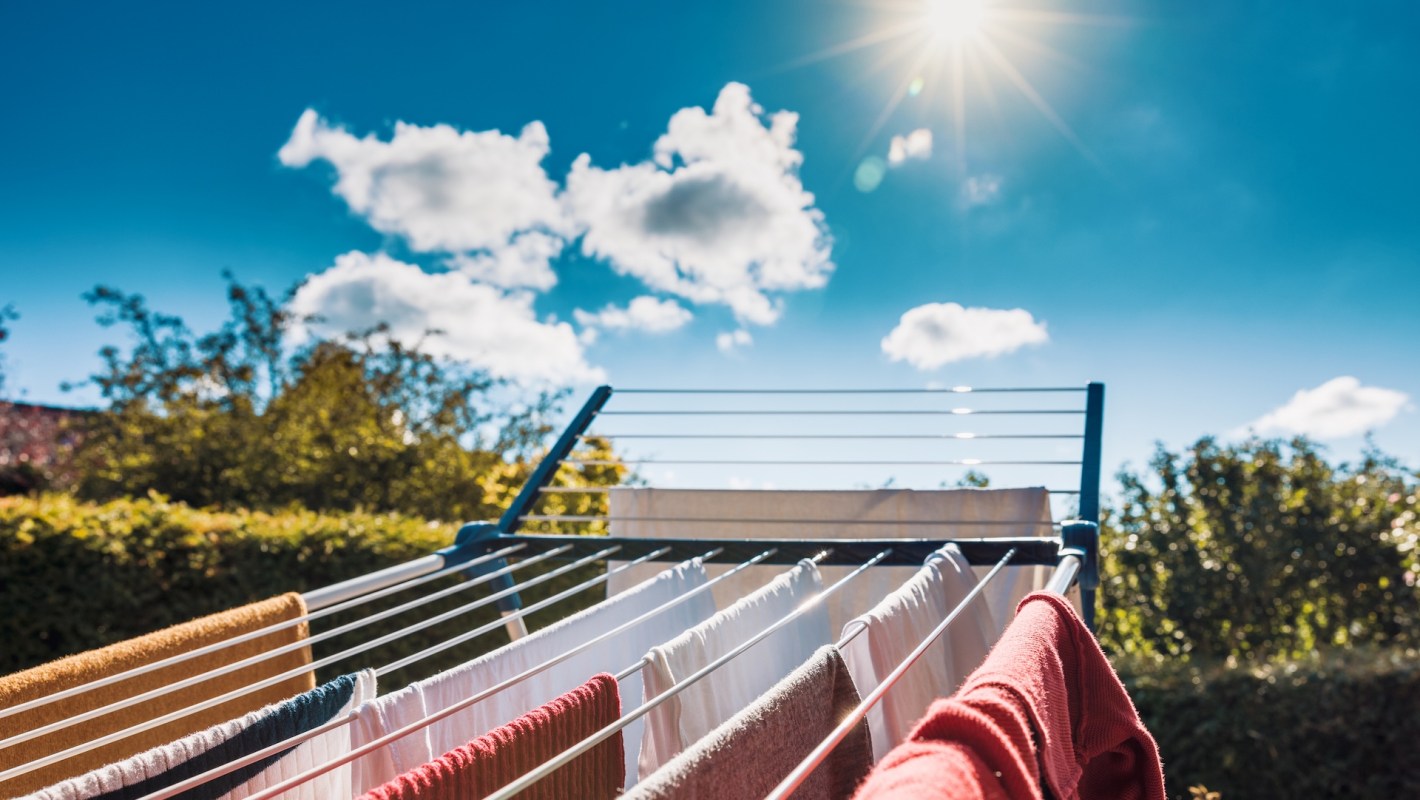
Just one example multiple people provided was drying laundry on a line when the weather cooperates. One person wrote, "In Texas I can hang clothes out on a line and they'll be dry within the hour."
Another popular pick was carrying a reusable water bottle.
A large share of the ideas focused on reusable items that can offset their own cost over time. Along with mentions of period underwear and replacing paper towels with washable rags and cloth napkins. One commenter highlighted a "menstrual cup ... saves a lot of (stinky) trash and money,"
TCD Picks » Quince Spotlight
💡These best-sellers from Quince deliver affordable, sustainable luxury for all




Savings around transportation and food came up often, too. One Reddit user wrote, "Joined the bike share program in my city, have spent way less on Uber, parking, gas, transit ... eating more beans and lentils has saved on my grocery bills."
Why does it matter?
For some households, the benefits appeared quickly, with less trash and fewer repeat purchases. After switching to rags, cloth napkins, and adding a bidet, one Redditor said, "We haven't bought paper towel in years now,"
Rather than treating sustainability as something that has to be done perfectly, the thread often read more like a series of trials and errors. The same commenter who praised using a menstrual cup added, "One I didn't like is shampoo bars..." Not every solution fits every person or routine.
People are generally more likely to stick with changes that become cheaper, easier, or more convenient over time.
What can I do?
Among the lower-cost suggestions in the thread were carrying a reusable bottle, switching to LED bulbs, line-drying clothes when the weather allows, using cloth napkins or cleaning rags, and meal planning to reduce food waste. Some options, such as installing a bidet or buying staples in bulk, may require more upfront spending but can reduce repeat purchases over time.
Commenters also suggested that commuting and diet can deliver some of the biggest savings. Bike-share memberships can replace some driving or ride-hailing, while beans and lentils can lower grocery costs when they take the place of some meat-heavy meals.
After switching to LED bulbs, one person wrote, "My electric bill has been lower ever since."

Get TCD's free newsletters for easy tips, smart advice, and a chance to earn $5,000 toward home upgrades. To see more stories like this one, change your Google preferences here.






