


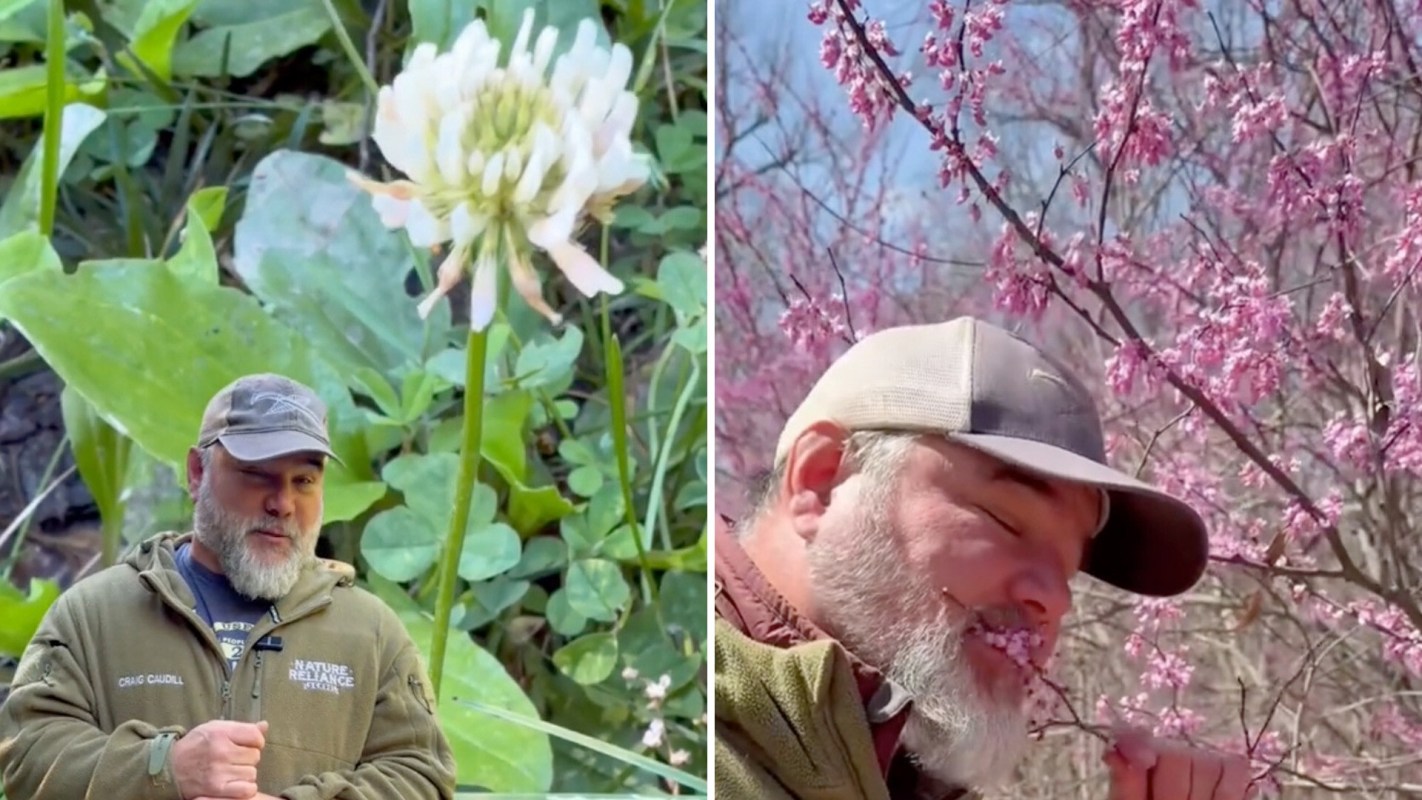
Flowers may brighten a trail or backyard, but some do far more than look pretty. A recent social media video is reminding outdoor enthusiasts that several common backyard blooms are edible — as long as they are identified correctly.
What's happening?
On June 16, outdoor creator Craig Caudill of Nature Reliance (@NatureReliance) posted a video about five flower petals people can eat.
@naturereliance 5 Edible Flower Petals Field food hiding in plain sight. These five edible flower petals are worth learning for foraging, wild edibles, edible plants, plant identification, and outdoor skills. Wild violet, dandelion, eastern redbud, wild rose, and red clover are all useful plants to know. Positive ID first before eating, drinking, or using anything from the wild. #Foraging #WildEdibles #EdiblePlants #PlantID #OutdoorSkills ♬ original sound - Nature Reliance
"If you think that flowers are just beautiful decoration, you're missing some field food," Caudill says in the video.
Caudill then outlines how the flowers can be used and what they taste like. White clover is mildly sweet in salads, and violets have a light sweetness. Wild rose petals can go into syrup and other recipes. Dandelions work well in jelly and fritters, and eastern redbuds taste "sort of like peas."
In the comments, one commenter wrote, "I make wild violet jelly! It's beautiful!"
Another added, "dandelion wine is great, just be careful not to use too many stems. Makes it bitter."
TCD Picks » Quince Spotlight
💡These best-sellers from Quince deliver affordable, sustainable luxury for all




Why should I learn about edible flowers?
The video reflects growing interest in foraging and gardening. Learning which flowers are edible can help diversify meals, reduce food waste, and help people get more value from plants that may already be growing nearby.
Edible flowers can offer several benefits at once: visual appeal, pollinator support, and food. Growing useful plants at home can also help cut grocery costs, and many gardeners say produce harvested at home tastes better than store-bought alternatives.
Gardening has long been linked to physical and mental health benefits like light daily exercise and stress relief, respectively.
Wild plants can easily be mistaken for toxic lookalikes, and flowers growing along roadsides or in chemically treated yards may not be safe to eat.
Caudill emphasizes, "As always, anything wild food related, make sure you positively identify before you harvest and utilize."
What can I do?
If you want to explore edible flowers, it may be best to start small and local. A safer first step could be growing your own food at home so you know exactly what has been planted and what it has been exposed to.
If you already garden, consider adding edible flowers alongside herbs and vegetables, and skip harsh yard treatments when possible.
And if you do forage, take only a little and leave the area largely untouched.
As Caudill puts it, "Make sure you're not pulling everything up when you leave. It should look exactly like it did before that."

Get TCD's free newsletters for easy tips, smart advice, and a chance to earn $5,000 toward home upgrades. To see more stories like this one, change your Google preferences here.







