


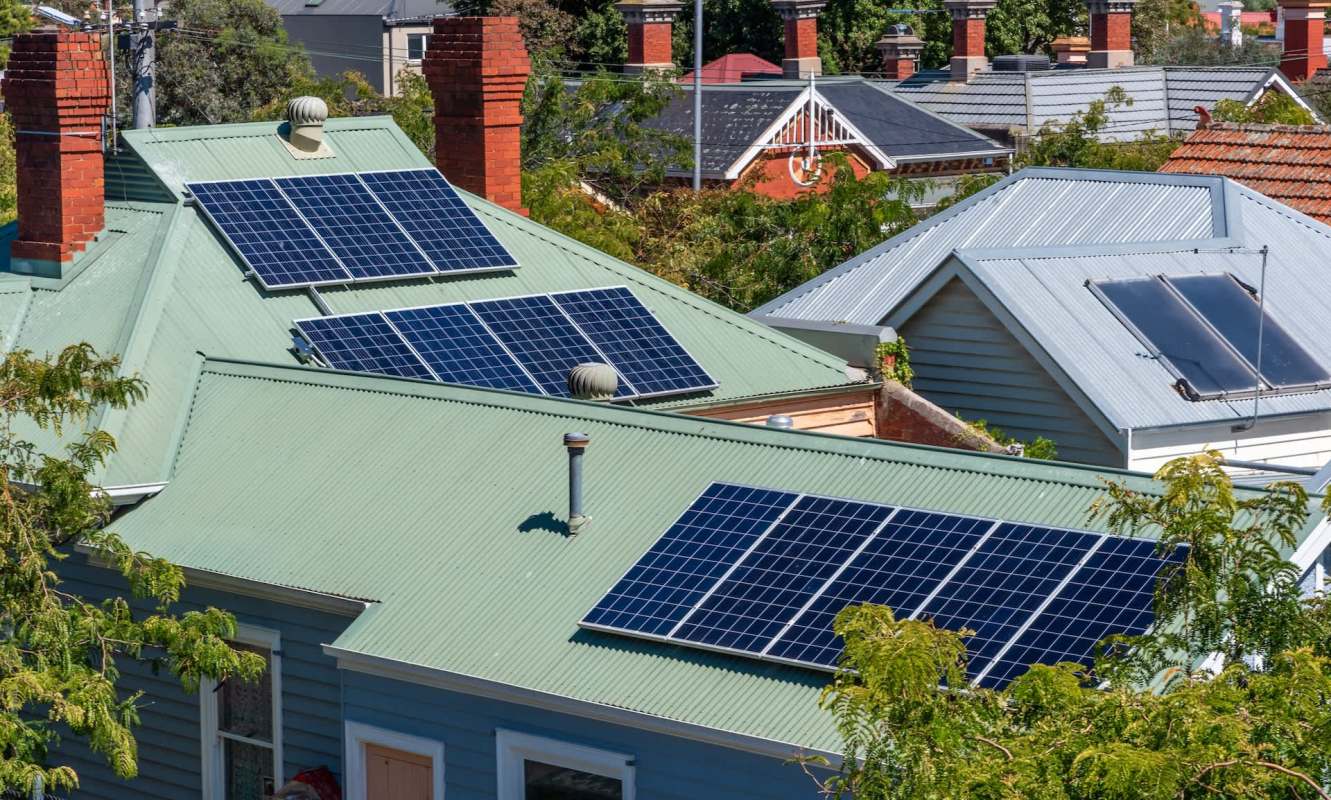
Australia's vast buildout of rooftop solar is having a striking effect on the power market.
According to an Environmental Defense Fund analysis, wholesale electricity prices are being pushed close to zero during the brightest part of the day.
That outcome is also drawing interest in the United States, where clean-energy proponents in the r/RenewableEnergy community are asking whether a similar drop in daytime power costs might eventually happen in the nation.
What's happening?
The Reddit post drew attention to EDF reporting that Australia's widespread rooftop solar generation is packing the grid with cheap electricity around midday, sending wholesale prices lower during peak sunshine.
Commenters used the discussion to explore what happens when rooftop solar becomes deeply embedded in a grid.
One user joked that power is becoming "too cheap to meter between 11:00 and 13:59."
TCD Picks » Quince Spotlight
💡These best-sellers from Quince deliver affordable, sustainable luxury for all




A key takeaway is that when solar output is especially strong, some electricity use may be better moved into daytime hours rather than saved for the evening, when power often costs more and comes from more polluting sources like oil and gas.
Why does it matter?
For customers on time-of-use plans, those low-price daytime periods could translate into real savings if they time activities such as running appliances, charging devices, or cooling their homes for the cheapest hours.
It also highlights how distributed cleaner energy can change the grid itself. Instead of depending only on large power plants, solar-equipped rooftops can together provide a major midday electricity supply and reduce the need for more polluting energy sources during that period.
The thread also featured an example of how some people are already adjusting.
"We try to run our irrigation pumps during peak solar output, when power is cheaper," a Midwest farmer wrote. "This reduces our off-peak draw."
As more U.S. homes and businesses install solar, that kind of load shifting may spread, particularly if utilities continue to look for ways to better match electricity use with clean-energy production.
What can I do?
Some utilities are already testing time-of-use pricing, and consumers are starting to move energy use, including for laundry, dishwashing, EV charging, and some cooling, into midday periods. Harnessing the sun sure seems like a logical thing to do.
"If God wanted us to have free energy, he would have hung a fusion reactor in the sky," a user cleverly quipped.
If you're thinking about installing panels at home, EnergySage can help you go solar with its free tools and save you up to $10,000 by curating competitive bids from local installers.
If you're not ready to spend a lot upfront, solar leasing programs can still lower your utility rate. Palmetto's $0-down LightReach program can cut your electricity bills by up to 20%.
The biggest gains may not just come from generating more solar electricity, but from homes, habits, and rate plans that make use of it at the right time.

Get TCD's free newsletters for easy tips, smart advice, and a chance to earn $5,000 toward home upgrades. To see more stories like this one, change your Google preferences here.






