


Few proposed developments draw bipartisan opposition as consistently as data centers, with residents objecting over issues such as noise, heavy water demand, and higher electricity costs.
That debate has taken a new turn in California, where one proposal would put AI-related facilities inside an oil field.
What happened?
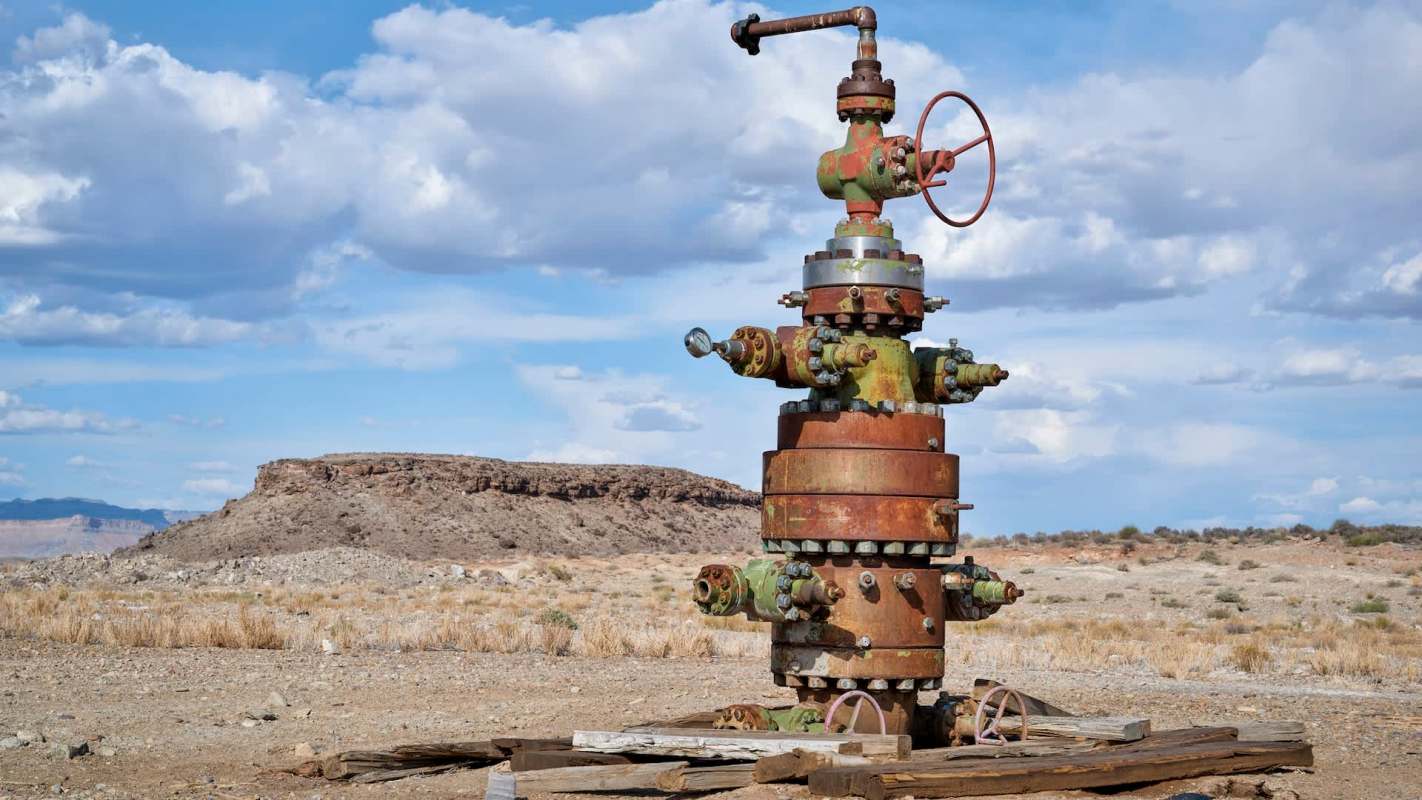
In California's Central Valley, the California Resources Corporation (CRC) has proposed building a 600,000-square-foot campus for data operations in Kern County's Elk Hills oil field, according to Grist.
The nearest homes would be more than a mile away.
The plan reflects a broader shift toward placing data centers either in or near oil and gas fields, where developers already have access to power, and toward greater separation from residential areas.
CRC, the state's largest oil company, says a site like this could avoid the resistance that often greets data center projects proposed for neighborhoods or farmland.
TCD Picks » Quince Spotlight
💡These best-sellers from Quince deliver affordable, sustainable luxury for all




The proposed Golden Valley Technology Hub would reportedly get most of its power from surplus electricity at an existing 550-megawatt natural gas plant in Elk Hills. The project would also use a closed-loop cooling system and include noise barriers and support for local infrastructure.
Chris Gould, the company's chief sustainability officer and head of its carbon capture venture, said in a statement to Grist: "By repurposing an existing industrial site, creating jobs and tax revenue in Kern County, utilizing dedicated on-site power, and employing one of the industry's most water-efficient cooling systems, the project is designed to support California's growing digital infrastructure needs while minimizing impacts on local communities."
Why does it matter?
Data centers power everything from chatbots to cloud computing, and AI is becoming increasingly intertwined with the energy grid.
But the rapid expansion of those facilities is also increasing electricity demand, straining water resources, and fueling worries about pollution and higher power bills for nearby residents.
In California, that clash is especially sharp, as state leaders push cleaner energy while companies race to add more computing capacity.
Backers of the CRC proposal say reusing a site with a long industrial history is a practical answer. Gabriel Collins, a research fellow at Rice University's Center for Energy Studies, told Grist: "If you're already out in the middle of an area that's seen heavy industrial activity for a long time, there's already a precedent, and folks there will probably find it easier to deal with."
Opponents say moving the project to a remote location does not resolve the underlying concern. Because the site would rely on gas power, it would add pollution in a region already dealing with poor air quality.
What are people saying?
While CRC argues that its approach is an example of "responsible development," opponents of the proposal are not convinced.
Nina Robertson, a deputy managing attorney at Earthjustice who focuses on data centers, told Grist the project is "a disservice to the people who are breathing that unhealthy air."
Robertson added: "You should be powering any data centers in California with zero-emission energy…We are building the clean energy future, and this is pulling us back."
Supporters, though, describe the proposal as a possible economic boost for Kern County, where oil jobs have fallen sharply. According to Grist, CRC says it would create up to 250 permanent jobs in the region, as well as at least 1,500 union jobs during construction.
Collins said that dynamic could keep drawing digital infrastructure into fossil fuel regions: "If you have a declining oil field and you had that big captive asset there, then plugging it in to run digital infrastructure instead makes a lot of sense."

Get TCD's free newsletters for easy tips, smart advice, and a chance to earn $5,000 toward home upgrades. To see more stories like this one, change your Google preferences here.






