


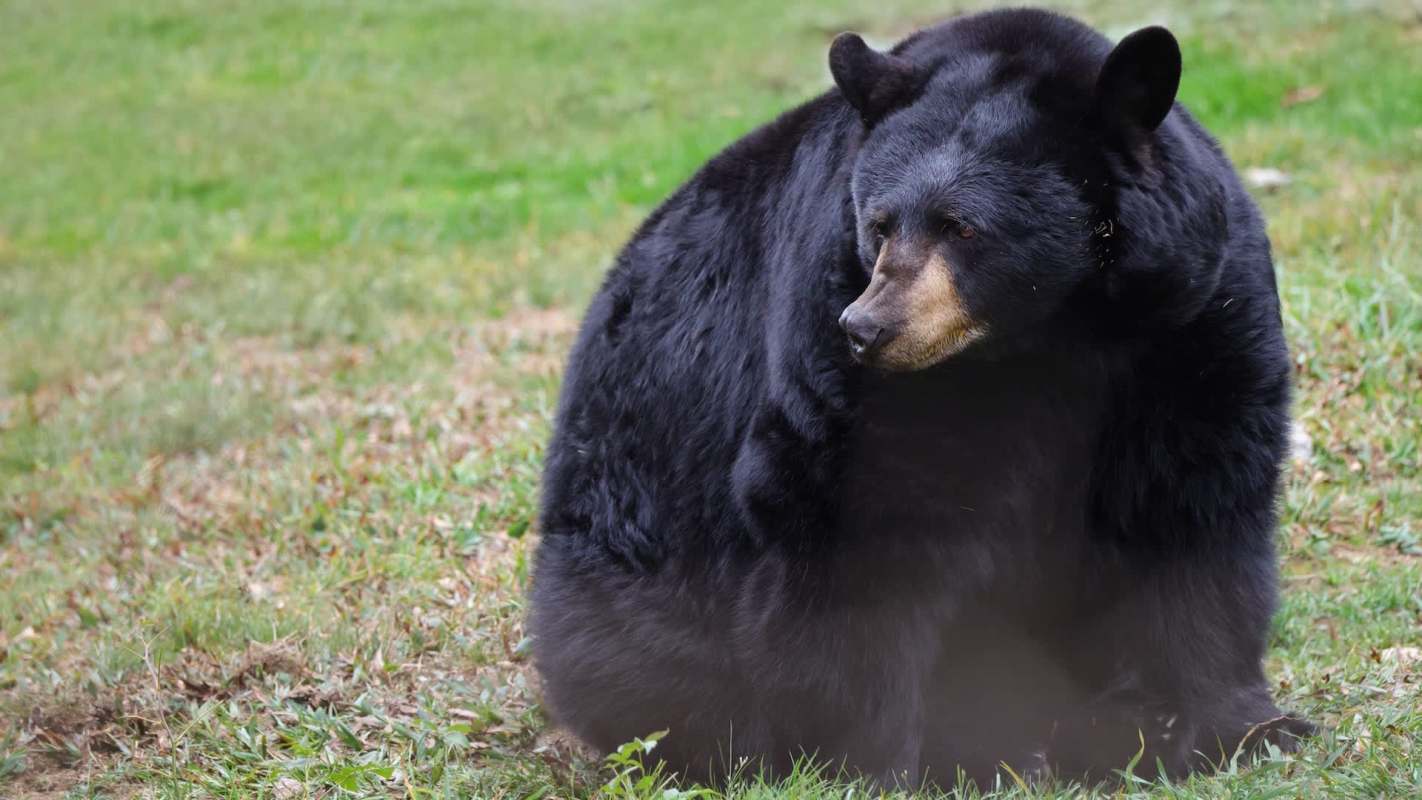
State wildlife officials in Connecticut euthanized a black bear June 10 after it got into a home in Winchester following several similar incidents, as Patch reported.
The case underscores a difficult reality for both people and wildlife. When bears associate homes with easy food, dangerous encounters can escalate quickly.
What happened?
According to Patch, Department of Energy and Environmental Protection spokesman Bill Flood said Environmental Conservation officers put down the bear on the same day as the home break-in.
Officials tied the animal to three home break-ins and said it may also have matched descriptions from three additional incidents, the outlet reported. This has been an unusually intense year for nuisance bear activity, according to Patch.
EnCon Police have responded to 110 such reports statewide since Jan. 1, and 96 of those calls came after April 1, which DEEP called a "very high number," per the outlet.
No residents or first responders were injured. Officials told Patch that 20 of this year's cases have involved bears entering homes.
TCD Picks » Quince Spotlight
💡These best-sellers from Quince deliver affordable, sustainable luxury for all




Why does it matter?
The events show how human activity can alter animal behavior in ways that put both people and wildlife at risk.
Easy access to food via open doors, unsecured trash, and pet food can teach wild animals to treat neighborhoods as dependable food sources. In this case, DEEP said bears that go into homes for food no longer have their natural fear of people, as Patch reported.
That can carry serious consequences for families, first responders, and the animals themselves. A bear that becomes food-conditioned may be more likely to return, and each return increases the risk of injury, property damage, or a deadly outcome.
In bear country, coexistence often depends on limiting the food sources that people create around their homes that can lure in bears.
What's being done?
Officials said euthanasia was the necessary response in this case because of the bear's apparent lack of fear of humans, Patch reported.
The agency also said relocation was not a solution for a habituated bear.
"Moving a habituated, food-conditioned bear simply transfers the problem to another location," it stated to Patch.
For homeowners, DEEP's advice is to remove attractants, secure doors and windows, and keep pets leashed.
"The best way to keep your home and family safe, and keep bears wild, is to remove the food sources that are drawing bears into neighborhoods in the first place," DEEP said.

Get TCD's free newsletters for easy tips, smart advice, and a chance to earn $5,000 toward home upgrades. To see more stories like this one, change your Google preferences here.







