


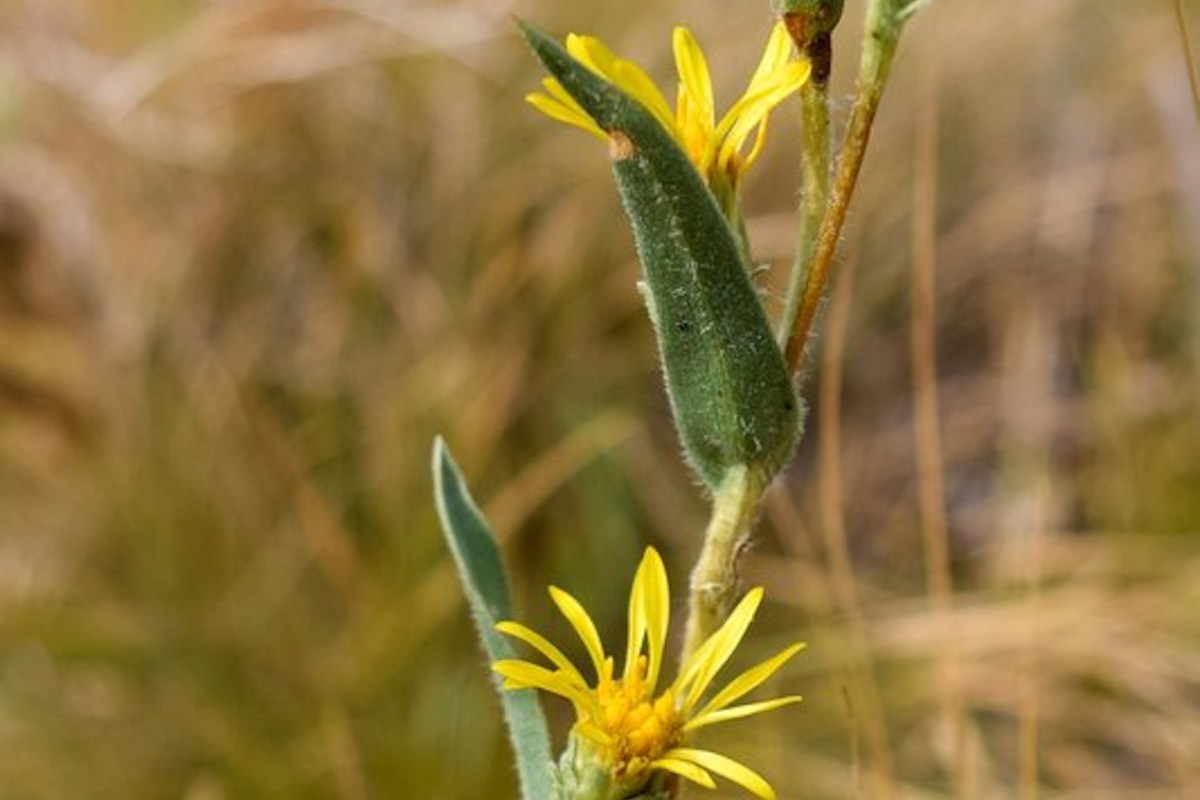
Two little-known wildflowers in the Pacific Northwest could soon draw much more attention.
Conservation advocates are seeking federal protection for rough goldenweed and Palouse goldenweed as the region's remaining native prairies approach permanent loss.
What happened?
On June 11, the Center for Biological Diversity submitted a petition asking the U.S. Fish and Wildlife Service to list both uncommon plants under the Endangered Species Act. The two flowers, both known for their yellow blooms, exist only in Pacific Northwest bunchgrass prairie habitat.
Palouse goldenweed grows in parts of eastern Washington and western Idaho, while rough goldenweed is found in the Snake River Canyon-Camas Prairie area across parts of Washington, Idaho, and nearby Oregon.
More than a century after much of the area was turned into farmland, only about 0.1% of the original bunchgrass prairie remains intact.
The Center for Biological Diversity said the leftover prairie is threatened by invasive plants such as cheatgrass and Russian thistle, as well as grazing, habitat fragmentation, herbicide drift, and rising temperatures.
TCD Picks » Quince Spotlight
💡These best-sellers from Quince deliver affordable, sustainable luxury for all




Why does it matter?
Native prairies support biodiversity, help landscapes stay resilient, and preserve a natural heritage that many local communities have already seen nearly erased. When habitat disappears, the plants, insects, and ecological relationships that keep those places healthy and productive disappear with it.
The Center for Biological Diversity also noted that many populations of both goldenweeds are on private land, where landowners may want to protect native species.
What are people saying?
"These rare flowers have lost almost all their habitat and they desperately need lifesaving Endangered Species Act protections to prevent their extinction," Center scientist Gwendolyn McManus said in the release.
"The Fish and Wildlife Service needs to step up for these beautiful, resilient plants and the imperiled prairielands they depend on."
"People who want to help conserve irreplaceable species on their land should be given the tools to do so," she said.

Get TCD's free newsletters for easy tips, smart advice, and a chance to earn $5,000 toward home upgrades. To see more stories like this one, change your Google preferences here.






