


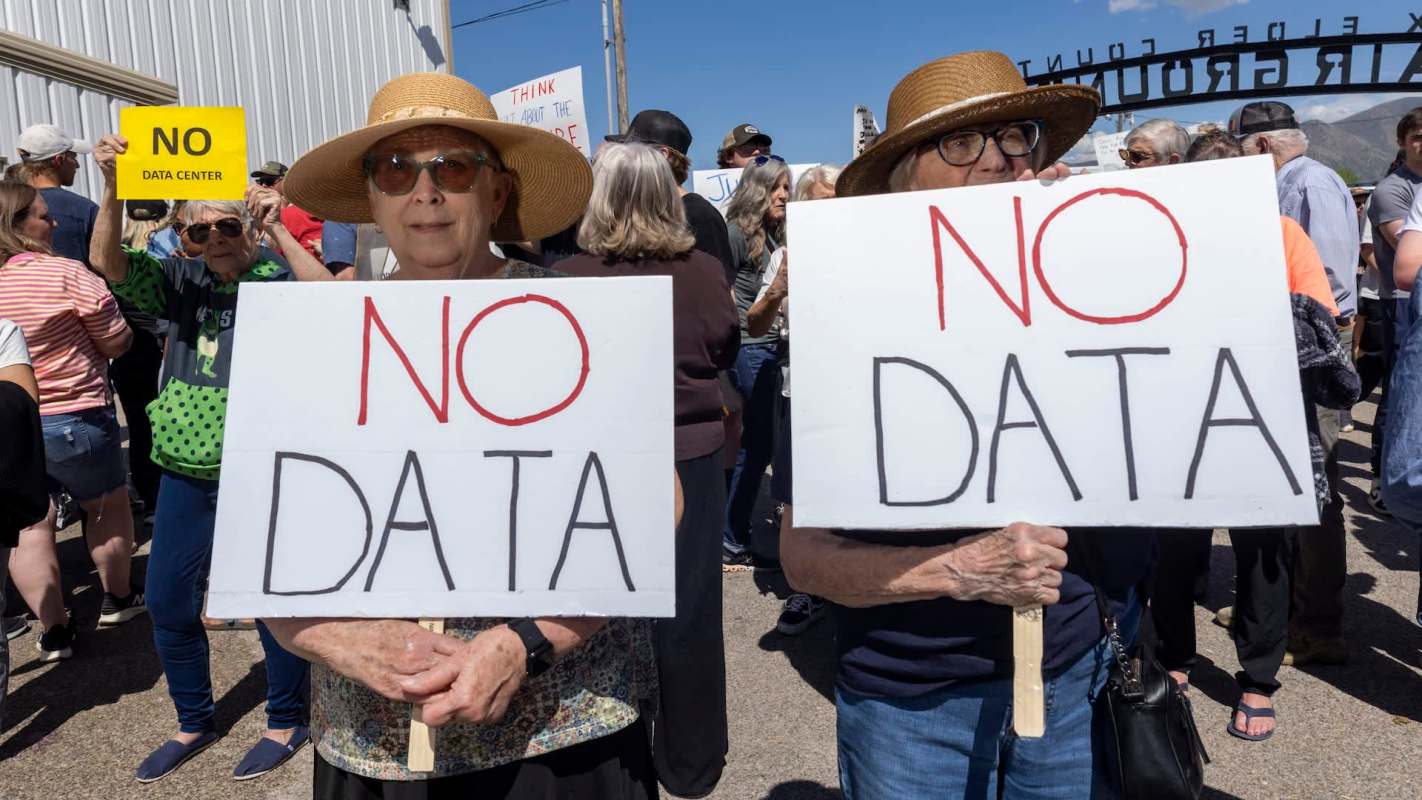
An abandoned 250-megawatt data center plan in Wake County, North Carolina, looks increasingly like part of a broader pattern rather than a standalone fight. Across the United States, opposition in the first quarter of 2026 helped delay or cancel data center projects worth more than $130 billion.
What happened?
According to Fortune, concerns about water use, air quality, and utility costs drove local resistance to Natelli Investments' proposed 190-acre data center campus. Earlier this year, after zoning changes, the developer withdrew its annexation and rezoning requests.
The dispute reflects a national trend identified by Data Center Watch: Seventy-five projects worth more than $130 billion were delayed or canceled in the first quarter, and active opposition groups grew from 396 at the end of 2025 to 833 by the end of March across 49 states.
The report said the pushback has spread beyond traditional tech hubs such as Northern Virginia and Northern California, with hearings and town meetings becoming more contentious as some states weigh or adopt moratoriums on large data center permits.
Why does it matter?
Data centers are central to the rapid acceleration of artificial intelligence technology. However, the infrastructure supporting them can require enormous amounts of electricity and water, raising concerns about air pollution, security risks, misuse, and unintended consequences such as higher household energy bills.
Fortune reported that a Heatmap Pro poll found that 70% of Americans do not want data centers built close to their homes.
TCD Picks » Quince Spotlight
💡These best-sellers from Quince deliver affordable, sustainable luxury for all




Meanwhile, studies cited in the report project that wholesale electricity costs could rise by 6% to 29% by the end of the decade because of data center expansion, while the environmental and public health costs tied to AI infrastructure growth could reach $25 billion annually.
Utilities are already dealing with an aging grid, and JPMorgan Chase estimates $5.8 trillion in global grid upgrades over the next decade, including more than $1 trillion in the U.S.
Even when projects promise jobs and tax revenue, communities are increasingly asking who will bear the cost of the added strain.
What are people saying?
According to Fortune, resident Lorraine McAvoy summed up one of the biggest fears last year when she told WRAL News: "When they make infrastructure improvements, who does that cost go to? It doesn't go to the developer. It goes to the people, the consumers of the utility."
Miquel Vila, lead researcher at Data Center Watch, said, "Opposition to data centers — it's now part of a mainstream conversation. … We might see more of these fights escalate to a more legal front."
The Data Center Watch report put it even more starkly, stating, "In some cases, opposition mobilized before any project was officially filed; the mere rumor of a data center was enough to trigger organized resistance."

Get TCD's free newsletters for easy tips, smart advice, and a chance to earn $5,000 toward home upgrades. To see more stories like this one, change your Google preferences here.






