


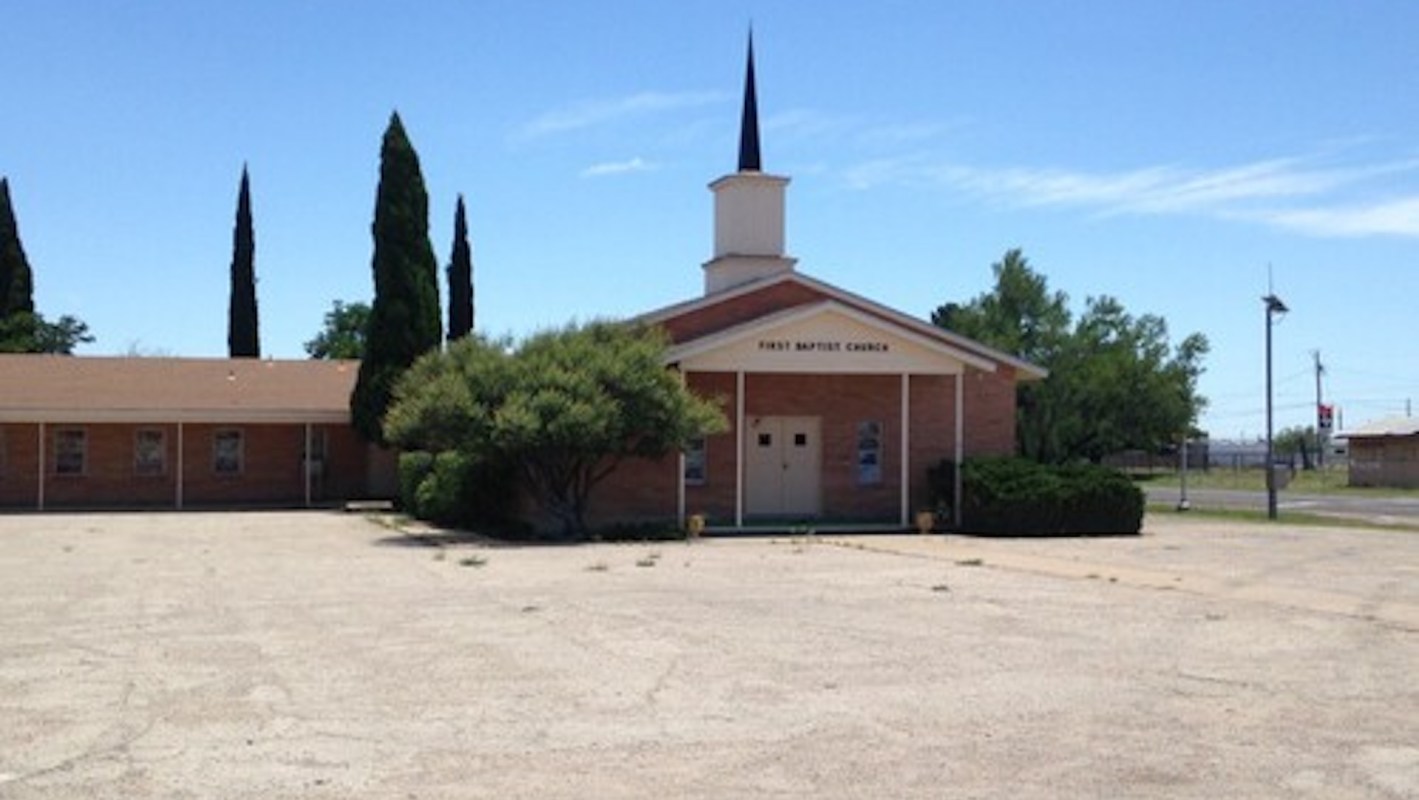
Concern is spreading across the Permian Basin after a long-abandoned oil well blew out beneath the parking lot of a small church in Grandfalls, Texas, sending over 1.5 million gallons of wastewater into the center of town.
What happened?
Inside Climate News reported that a long-dormant well under the parking lot of First Baptist Church began flowing again in April, releasing toxic wastewater for eight days.
The outlet reported that the state spent $1.5 million to plug the leak and another $1.2 million to dispose of the wastewater by pumping it back underground.
Though the church itself was not flooded, the blowout happened in town, across from a school and near the community's only gas station.
While crews worked to stop the blowout, the Railroad Commission of Texas asked operators of injection wells within five miles of Grandfalls to pause underground waste pumping, according to ICN.
"This particular situation is under control, with no apparent threats to public safety," state Rep. Brooks Landgraf wrote, adding that "a well that was plugged in the 1930s causing a leak in town is a reason to be concerned."
TCD Picks » Quince Spotlight
💡These best-sellers from Quince deliver affordable, sustainable luxury for all




Why does it matter?
ICN said the substance that leaked was produced water, a toxic, salt-heavy waste product from oil and gas drilling.
Lab testing cited by the outlet found 138,771 parts per million of total dissolved solids in the liquid — about four times the salinity of seawater. Oil also seeped from the ground, per ICN.
The concern goes beyond this one leak. Produced water is commonly injected underground for disposal, but that can raise pressure below the surface and drive fluids upward through old, poorly documented wells.
"We're doing something subsurface, and I think everybody knows it. We've turned a lot of the shale play into just one big crack. Everything's communicating," Pastor David Tucker, who has had similar problems on his own property, told ICN.
Oil and gas extraction and waste disposal can pollute air and water, contributing to asthma, heart disease, cancer, and premature death.
The industry is also a major driver of the climate pollution fueling more destructive extreme weather, which can wipe out homes, livelihoods, and economies. Meanwhile, families face high energy costs as corporate profits soar, and industry lobbying can delay cleaner energy options.
What are people saying?
"This was kind of a good thing because it brought attention to what's happening," Tucker said.
Advocates say disposal wells need tighter limits. "It's time to stop injecting in areas that are overpressurized, where we keep seeing these problems," Julie Range of public advocacy organization Commission Shift told ICN.
Surveyor Jackie Portsmouth added: "I'm not trying to scare anybody. But they should at least know that these wells exist."

Get TCD's free newsletters for easy tips, smart advice, and a chance to earn $5,000 toward home upgrades. To see more stories like this one, change your Google preferences here.






