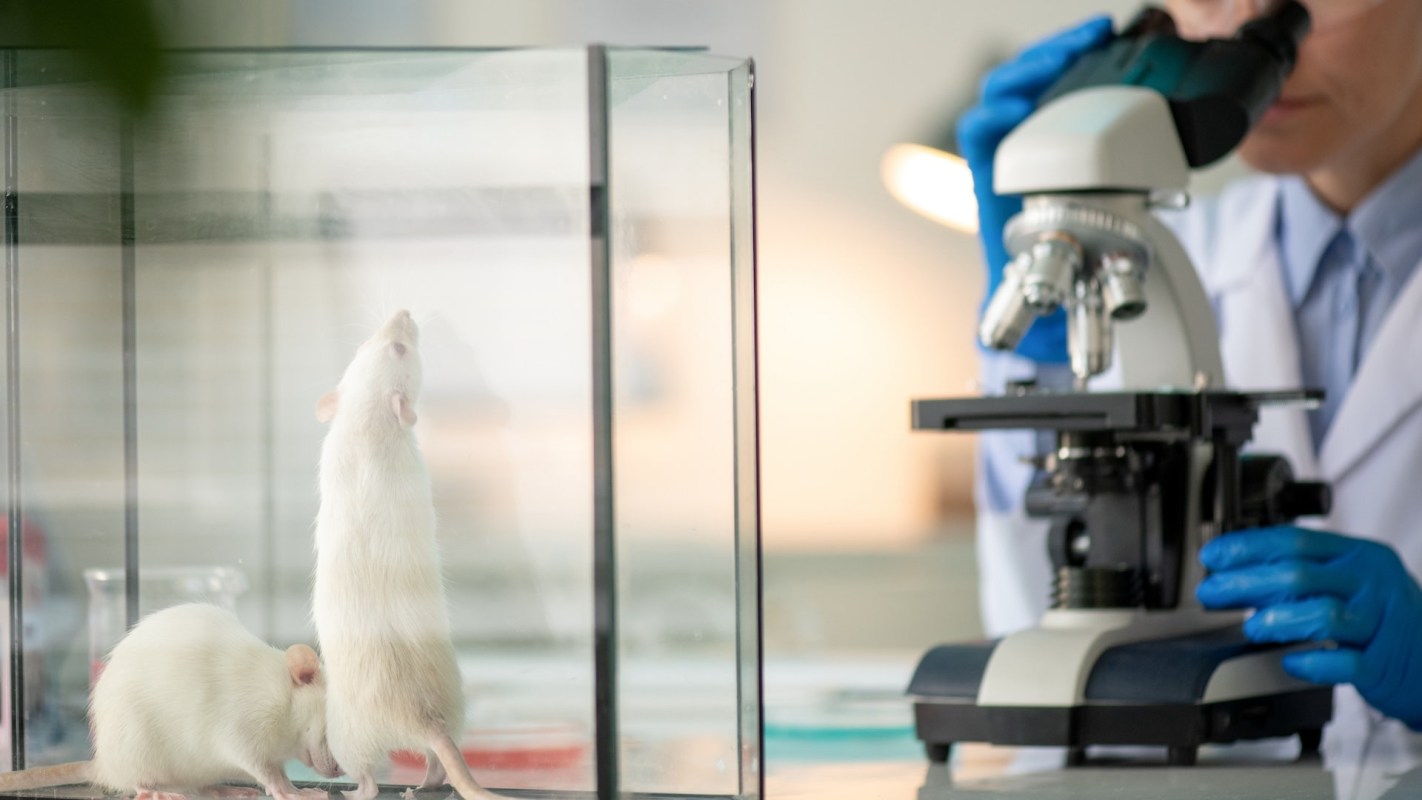
A new study suggests the brain may not store traumatic memories through the same biological process in males and females.
In rat experiments, dialing down an obscure molecular tag before fear training weakened later fear-memory retention in females, but not in males — a result that could change how researchers approach PTSD susceptibility and treatment.
What happened?
Earth.com says the Virginia Tech researchers centered their study on K27 polyubiquitination, a relatively overlooked molecular marker among the chemical tags cells use to manage proteins.
In experiments published in Behavioural Brain Research, the team trained rats using a standard fear-learning task. The animals were placed in a chamber, given a mild shock, and later tested to see how strongly they remembered the experience.
Rather than seeing the most notable activity in the amygdala, as fear research often would suggest, the researchers found the strongest shift in the hippocampus, which helps track the context of an experience, including where and when it occurred.
Female rats showed a sharp rise in K27 after the fear-learning event, whereas male rats showed no such increase.
TCD Picks » Quince Spotlight
💡These best-sellers from Quince deliver affordable, sustainable luxury for all




To test whether that tag mattered, the team lowered K27 in the hippocampus before the learning session using gene-editing tools. Afterward, females had difficulty retaining the fear memory, while males still performed as expected.
The researchers also identified ACAT1 — a protein previously linked to Alzheimer's disease — as one of the molecules receiving the K27 tag.
"We would typically expect the amygdala to be where you'd see a lot of this happening, because it's so important in emotion," said Timothy Jarome, Ph.D., an associate professor who runs the lab behind the work.
He added, "Just because males and females can learn or remember the same experience doesn't mean how their brains get there is the same."
Why does it matter?
That difference may offer one clue to a long-observed trend in mental health: Women experience persistent trauma symptoms and PTSD at roughly twice the rate of men, even though, as Earth.com reports, men encounter more dangerous events overall.
While the study does not explain why the disparity exists, it does highlight a biological mechanism that appears to differ by sex and could be part of the explanation.
PTSD can affect sleep, work, relationships, and daily functioning, and a better understanding of who is most vulnerable — and why — could eventually lead to more effective treatments.
The study also points to a broader problem in medicine. If therapies are developed mostly from male-based studies, they may overlook the mechanisms that matter most in female patients.
It may also help explain why two people can experience the same event and recover in very different ways.
What's being done?
Jarome's lab continues to study other forms of polyubiquitination to determine whether males rely on a different molecular route to form fear memories.
Early signs suggest that this may be the case, which could give researchers a deeper understanding of how the same behavior is produced through different brain processes.
The ACAT1 connection also gives scientists another lead to follow. Because that protein has already been studied in Alzheimer's research, the overlap could help researchers explore why memory-related diseases and disorders may affect men and women differently.

Get TCD's free newsletters for easy tips, smart advice, and a chance to earn $5,000 toward home upgrades. To see more stories like this one, change your Google preferences here.