


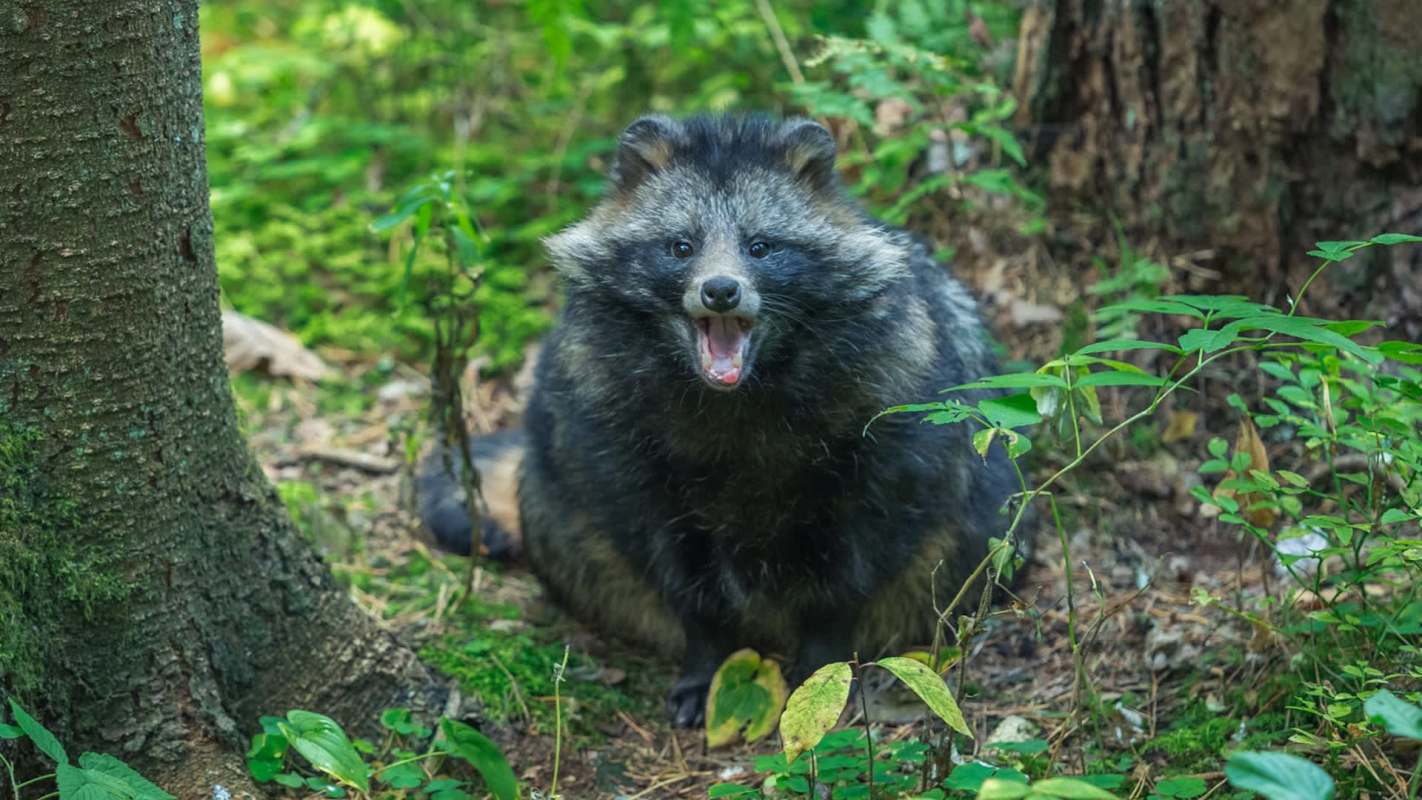
Ridgewood, New Jersey, is dealing with the fallout from two raccoon bites reported hours apart. The incidents sent a child and an adult for preventive rabies care and led officials to weigh an uncommon tactic: distributing oral vaccine bait for wild animals.
What happened?
WABC reported that one victim was an adult bitten on private property, after a 7-year-old boy had been attacked around 7 p.m. the day before near Maple Field & Community Garden and bitten on the upper leg.
WABC said the cases were reported close together in time, fueling concern that a raccoon in the area could be sick or acting abnormally. Both people received rabies treatment as a precaution.
So far, Animal Control officers searching the area have not found evidence of the raccoon. Residents are being asked to contact the Ridgewood Police Department if they see an animal that appears sick, injured, or unusually aggressive.
Why does it matter?
Rabies is rare in humans in the United States, but once symptoms appear, it is almost always fatal. Any bite from a potentially infected wild animal is a serious public health concern, particularly in places where children and pets may be nearby.
The attacks also underscore how closely people and wildlife overlap in many suburban communities. Raccoons are highly adaptable and often linger near gardens, yards, pet food, trash, and other human-created food sources, increasing the chances of bold or risky encounters.
TCD Picks » Quince Spotlight
💡These best-sellers from Quince deliver affordable, sustainable luxury for all




As neighborhoods continue to expand into wooded areas and animals learn to associate people with easy meals, these encounters can become more common. When wild animals lose their fear of humans, the risks rise on both sides — people can be hurt, and the animal may ultimately need to be trapped or euthanized.
What's being done?
One option now under discussion in Ridgewood is placing rabies vaccination pellets in wooded areas where animals gather, WABC reported. The flavored bait is meant to be eaten by wildlife, and federal agencies have used it for years to help curb the spread of rabies.
Officials say federal agencies do not consider the pellets dangerous to other animals, making the approach a practical way to reduce risk without trying to remove every raccoon from the area.
If you spot an animal acting strangely, report it rather than confront it. Preventing contact is the safest move for people, pets, and wildlife alike, and small changes at home can help reduce the chances of future encounters.
In communities where backyards, parks, and wooded habitats exist side by side, even a routine outing can quickly become a public health concern.

Get TCD's free newsletters for easy tips, smart advice, and a chance to earn $5,000 toward home upgrades. To see more stories like this one, change your Google preferences here.






