


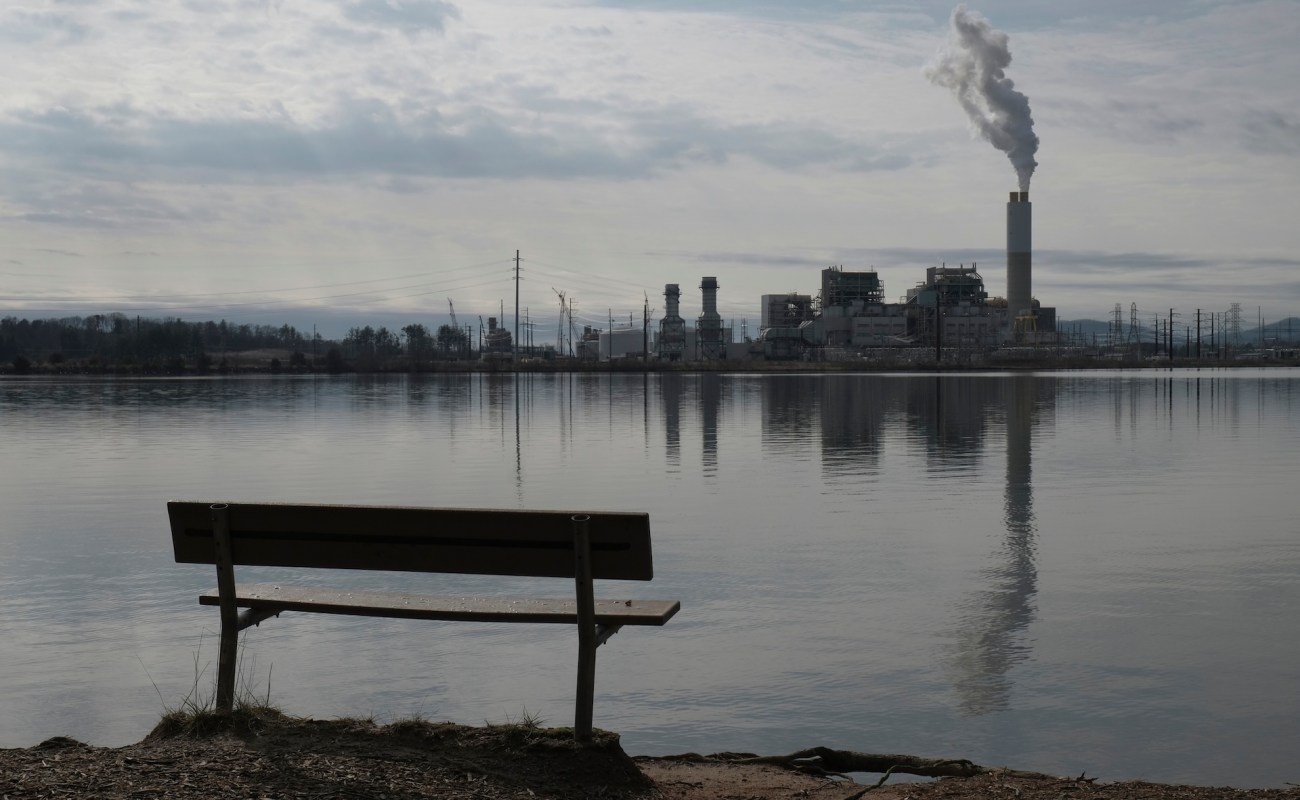
North Carolina lawmakers are moving ahead with an energy proposal that sounds pro-consumer on its face, but opponents say many households could end up paying more if it becomes law.
At the center of the dispute is a requirement that older coal plants stay online longer, which critics say would keep customers tied to pricier electricity and delay a shift toward cleaner, lower-cost power.
What happened?
Supporters say Senate Bill 730 is meant to protect households from rising electric bills, especially if power-hungry data centers begin putting more pressure on North Carolina's grid and driving up costs. Canary Media reported that the Republican-led House passed the measure, known as the Ratepayer Protection Act, last week.
A major point of contention is language that would block Duke Energy from closing older coal plants until the company wins state approval for a nuclear facility with at least 1 gigawatt of capacity.
Democratic lawmakers and energy analysts say that approach effectively ties continued use of expensive coal generation to the timeline of a future nuclear project.
"Sometimes the name of something is the opposite of what it is," Rep. Abe Jones said on the House floor. "I want to be wrong about that, but I bet you a dime to a doughnut [electric bills are] going up."
TCD Picks » Quince Spotlight
💡These best-sellers from Quince deliver affordable, sustainable luxury for all




Backers have also emphasized the bill's provisions on data centers. As Canary Media reported, those sections would require tech companies to pay a minimum share of infrastructure costs and would prohibit local tax incentives for the facilities.
Why does it matter?
Canary Media reported that EQ Research reviewed Duke filings and found the utility's coal plants cost 30% more per megawatt-hour than clean energy and, in 2024 and 2025, were even more expensive than gas plants. Duke operates 13 coal-fired units at five sites in North Carolina, and most are 50 years old or older.
"They're just not very efficient," said Jason Hoyle, EQ's director of research. "There are maintenance issues, and they're at the age when people retire."
Critics say extending the life of those plants could leave less room for lower-cost wind, solar, and battery projects and slow Duke's progress on cutting carbon pollution.
They have also argued that the legislation could wipe out the utility's 2050 target for reaching zero carbon pollution, making it harder for North Carolina to move toward a healthier and more affordable energy future.
What's being done?
Some opponents of the broader bill still view its data center rules as a worthwhile first step. As those large facilities add new demand to the grid, having companies absorb part of the infrastructure cost could help prevent everyday customers from being stuck with the bill.
But critics say that kind of consumer protection should not be bundled with a requirement to keep burning coal longer.
"There's no connection between the two sections of the bill," Rep. Robert Reives said during floor debate. "I've not heard any counter-debate to say that Section 2 isn't going to raise people's energy rates."
Still, Duke expects to retire most of its seldom-used coal units over the next decade, according to Canary Media. If that schedule gets pushed back, customers could end up paying higher fuel and operating costs for longer.
"This bill might have consequences that are not fully considered, and those could result in higher costs," Hoyle said. "If you're still running those coal plants, that's probably going to cost more to operate than a new natural gas plant."

Get TCD's free newsletters for easy tips, smart advice, and a chance to earn $5,000 toward home upgrades. To see more stories like this one, change your Google preferences here.






