


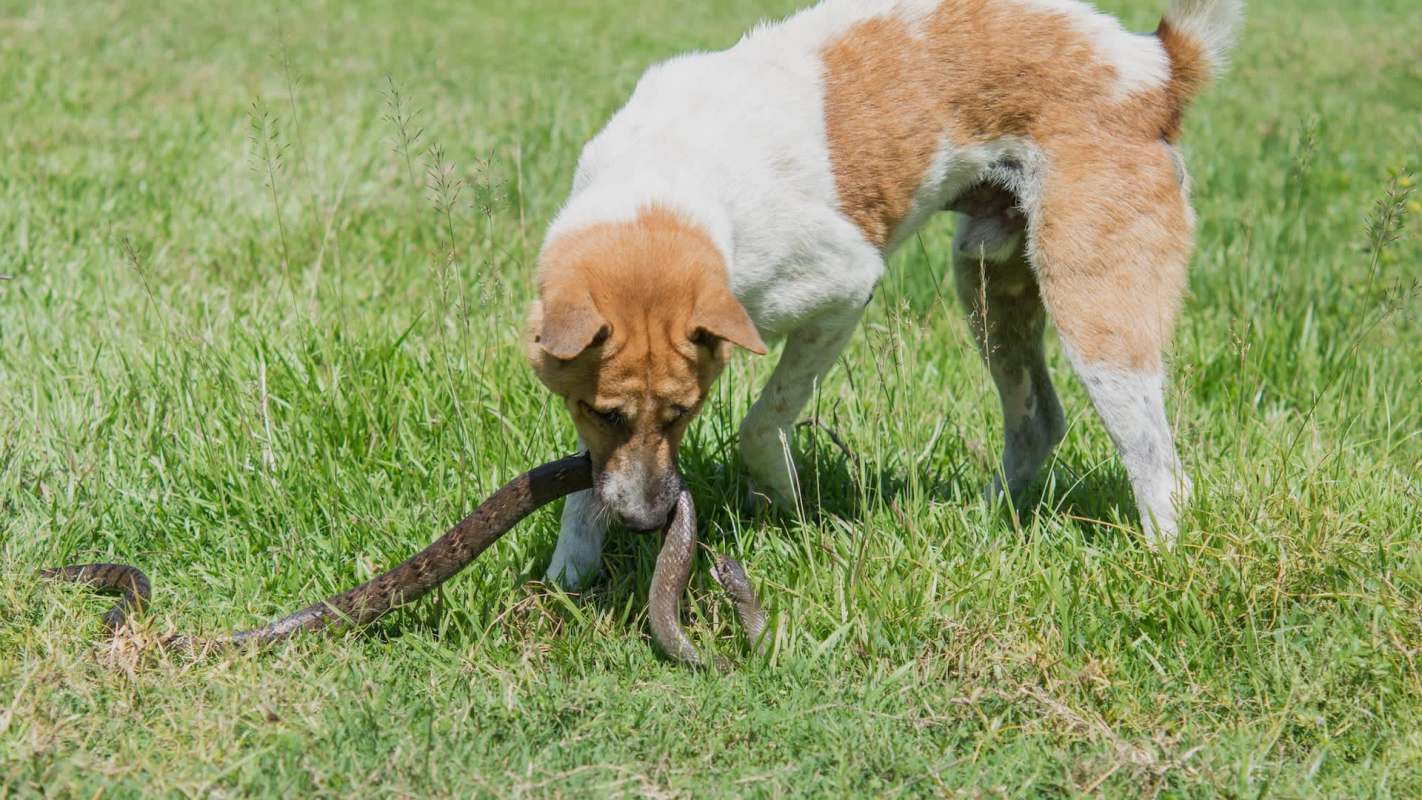
A Virginia resident drew attention online after their dog was bitten by a snake the owner couldn't identify.
After posting on Reddit, the forum filled with replies focused not only on naming the snake but also on what kind of care the dog might need next.
What happened?
The owner shared a post on Reddit asking for help identifying the snake that had bitten their dog on the nose.
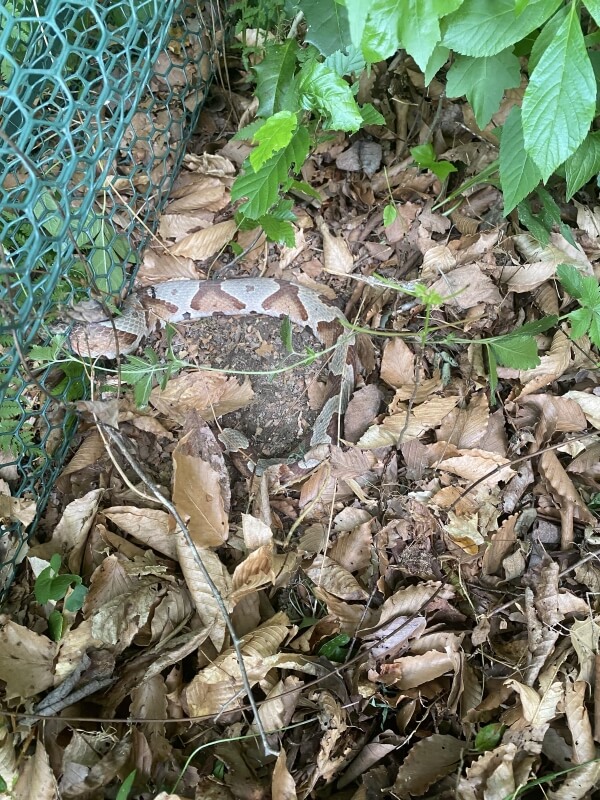
One highly upvoted reply identified the snake as an eastern copperhead, a venomous pit viper endemic to the eastern United States.
Much of the discussion centered on treatment given the snake's ability to secrete venom, with commenters weighing whether antivenom would be needed or if supportive veterinary care would likely be enough.
Fortunately, the original poster wrote an update in the comment section, saying, "He's on the way home! He didn't need antivenom, thankfully, and is doing great."
TCD Picks » Quince Spotlight
💡These best-sellers from Quince deliver affordable, sustainable luxury for all




They added: "Thank you so much to this community for the quick identification, the support, the follow-up, and even calling around about antivenom (this tugged at my heartstrings)!"
Why does it matter?
Dogs often lead with their noses when investigating the world around them, which can put them in danger if a snake is startled and strikes in defense.
The incident also points to a broader human-wildlife issue. Encounters like this can be linked in part to the growing overlap between housing developments, backyards, trails, roads, and native animal habitats. In places such as the Richmond, Virginia, area, that means more opportunities for people and pets to cross paths with wild animals.
Copperheads are especially concerning because of how easily they blend in with leaves, mulch, and brush. Even when a bite is not fatal, it can still be painful and costly, creating stress and unexpected expenses for families trying to keep their pets safe.
What can I do?
If your dog is bitten by a snake — or even if you suspect a bite — call a veterinarian immediately.
While online identification can be helpful, it should never replace prompt medical care, particularly if swelling or other concerning symptoms develop quickly or the animal appears distressed.
Pet owners can also reduce the risk of these encounters by keeping dogs leashed on wooded trails and using a flashlight during evening walks. It is also wise to avoid reaching into woodpiles, tall grass, or dense landscaping where snakes may be hiding.
If you do spot a snake, give it space and do not attempt to kill or handle it. Many bites happen when people or pets get too close during a sudden encounter.
Learning which snake species are common in your area can also help you react more calmly and safely if wildlife appears close to home again.

Get TCD's free newsletters for easy tips, smart advice, and a chance to earn $5,000 toward home upgrades. To see more stories like this one, change your Google preferences here.







