


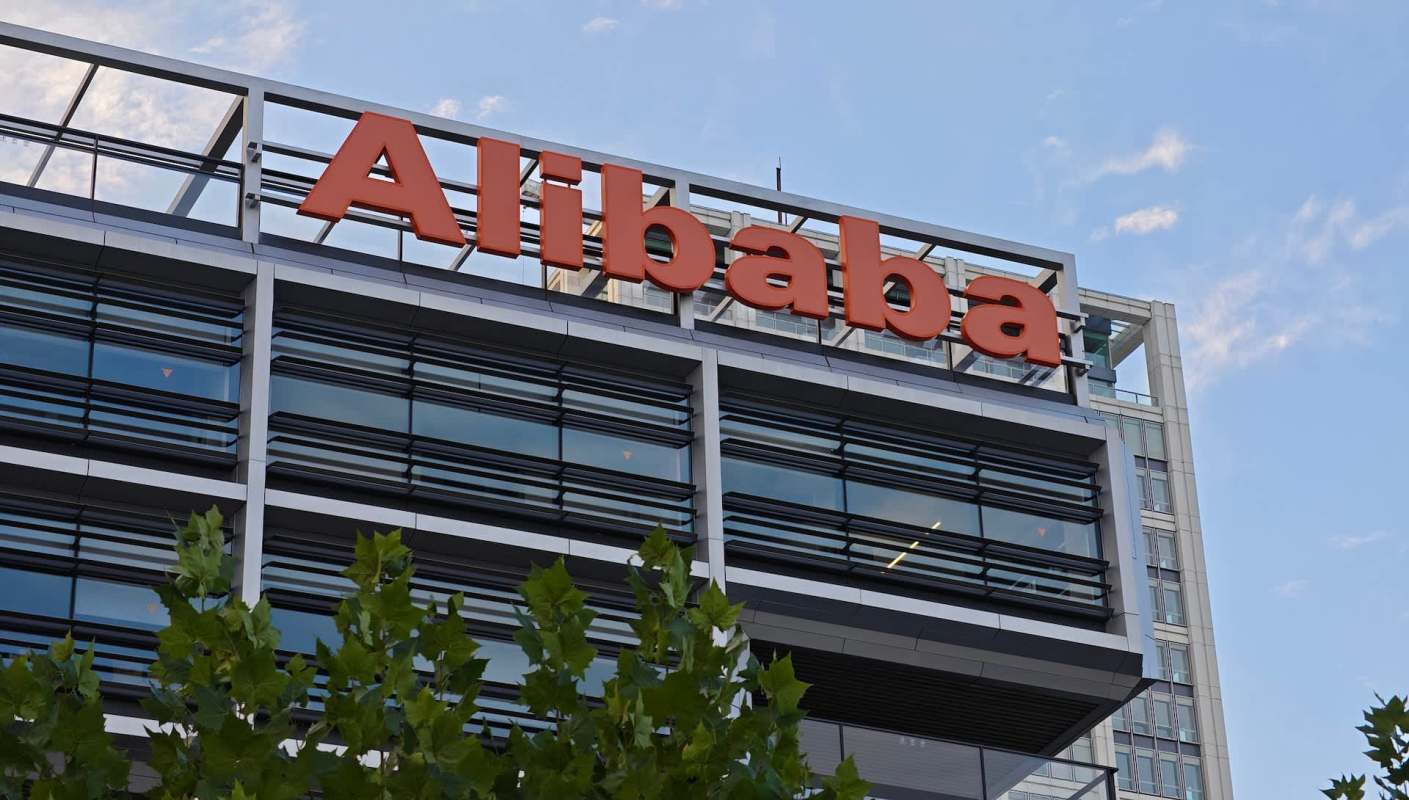
The Pentagon has widened the roster of Chinese firms it says are connected to the Chinese military, including Alibaba, BYD, and Baidu, The Associated Press reported (h/t NPR).
The move draws some of the world's largest consumer technology and electric vehicle brands into a national security dispute with implications for investors, consumers, and clean transportation.
What happened?
Created under a 2021 congressional directive, the Defense Department's list of companies with ties to the Chinese military was revised Monday, June 8, and now contains 188 entities, up from roughly 130 last year.
Many of the newly named firms are not state-owned or "traditionally considered to be in the defense or security sector," as the AP noted. For Americans, they'd be more familiar as shopping, internet, robotics, and electric vehicle brands.
In earlier guidance, the Pentagon said China's military had sought to obtain advanced know-how from businesses and institutions that "appear to be civilian entities," according to the AP. "[The list] reflects growing wariness of Beijing's strategy of tapping the strength of non-state businesses for military purposes," the outlet wrote.
The Pentagon has linked Alibaba, BYD, and Baidu to China's Ministry of Industry and Information Technology, which oversees and regulates the country's technology and industrial sectors.
TCD Picks » Quince Spotlight
💡These best-sellers from Quince deliver affordable, sustainable luxury for all




Being placed on the list does not prohibit all U.S. business activity, but it does bar companies from U.S. defense contracts and can bring reputational damage or lead to stricter restrictions.
Why does it matter?
The effects could reach stock holdings, supply chains, online services, drone purchases, and the price and availability of EVs. BYD, for example, is one of the world's largest electric carmakers.
The House Select Committee on the Chinese Communist Party, a bipartisan group of U.S. lawmakers advocating for American economic interests, described their updated list as "a warning to American businesses, all levels of government, and the American people," adding that companies continuing to work with those on the list risk "enabling China's military ascendance," according to the AP.
How did the Chinese companies respond?
Chinese officials and the companies involved are advocating for the U.S. to reconsider its position.
The Chinese Embassy alleged the U.S. was "overstretching the concept of national security and making discriminatory lists to go after Chinese companies," according to the AP.
Alibaba said, "Alibaba is not a Chinese military company nor part of any military-civil fusion strategy," while Baidu called the claim that it is a military company "entirely baseless."
The Chinese embassy said, "The U.S. should stop its wrong practice and create a fair, just and non-discriminatory environment for Chinese companies."
BYD and Unitree, a Chinese robotics company also added to the list, did not immediately respond to the AP's request for comment.

Get TCD's free newsletters for easy tips, smart advice, and a chance to earn $5,000 toward home upgrades. To see more stories like this one, change your Google preferences here.






