


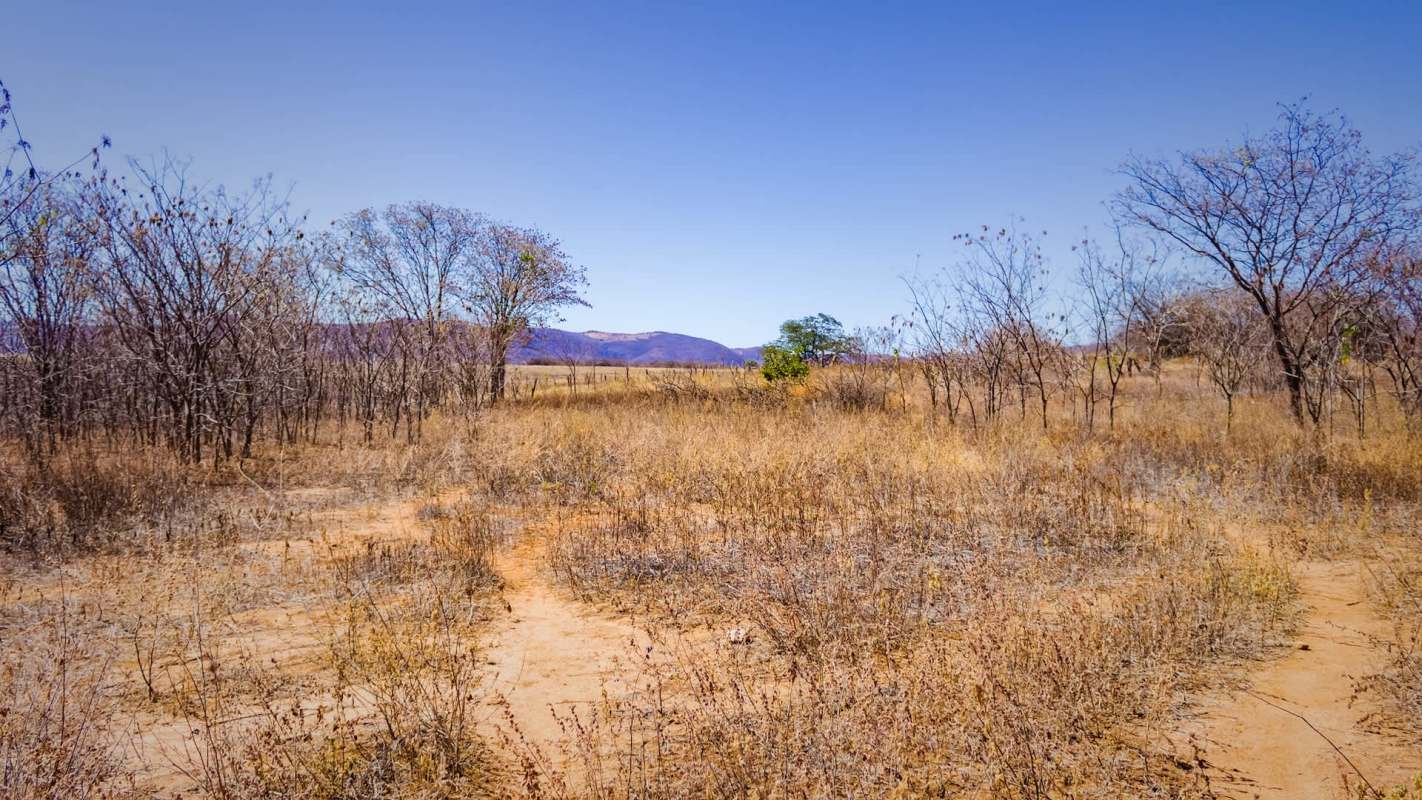
The Brazilian Amazon may be approaching a critical threshold earlier than scientists once expected, with a lengthening dry season raising fresh concerns about the stability of one of the world's most important ecosystems.
What's happening?
Reddit users recently discussed research summarized by Agência FAPESP, indicating that the Brazilian Amazon is beginning to experience conditions scientists had expected to occur much later.
According to the summary shared in a post in the forum r/science, the region's dry season has expanded from roughly four months to about six months.
Because the Amazon serves as both a major carbon sink and a "moisture pump," changes in its water cycle can affect weather across South America and beyond. Researchers cited by Agência FAPESP said the forest's dry-season water deficit has now gone past -150 millimeters, alongside major shifts in rainfall patterns.
Why does it matter?
When the Amazon remains dry for longer stretches, the consequences do not remain confined to the forest. A weakened rainforest can store less carbon, release less moisture into the atmosphere, and become more vulnerable to fire and ecosystem collapse. That can trigger cascading effects on food production, water supplies, public health, and extreme weather far beyond the Amazon itself.
For communities in Brazil and neighboring countries, the risks are immediate: less reliable rainfall, more severe drought, and greater chances of destructive fires and smoke. Globally, one of Earth's largest natural climate stabilizers could lose its ability to buffer human-caused pollution as effectively as it once did.
TCD Picks » Quince Spotlight
💡These best-sellers from Quince deliver affordable, sustainable luxury for all




In the Reddit thread, one user questioned if the extended dry season is related to recent reports of a potential "super El Niño."
"The El Niño hasn't started yet, so it couldn't influence any observations from this year until this point. They do mention the importance of the Super El Niño though, as it is an extreme event that will exacerbate the problems they already found," another user answered.
What's being done?
The conversation also turned to possible policy responses.
Strong regulations, clean-energy investment, and forest protection can reduce the risk of worse outcomes. Slowing pollution, reducing deforestation, and protecting intact ecosystems all help preserve the natural systems people rely on.
Some users debated whether the problem is better described as "capitalism," while others pushed back on that idea, pointing instead to what they called "unregulated capitalism."
One commenter cited the 2022 Inflation Reduction Act and Biden-era spending on electric vehicles and cleaner industry as evidence that public policy can help push emissions in a better direction.

Get TCD's free newsletters for easy tips, smart advice, and a chance to earn $5,000 toward home upgrades. To see more stories like this one, change your Google preferences here.






