


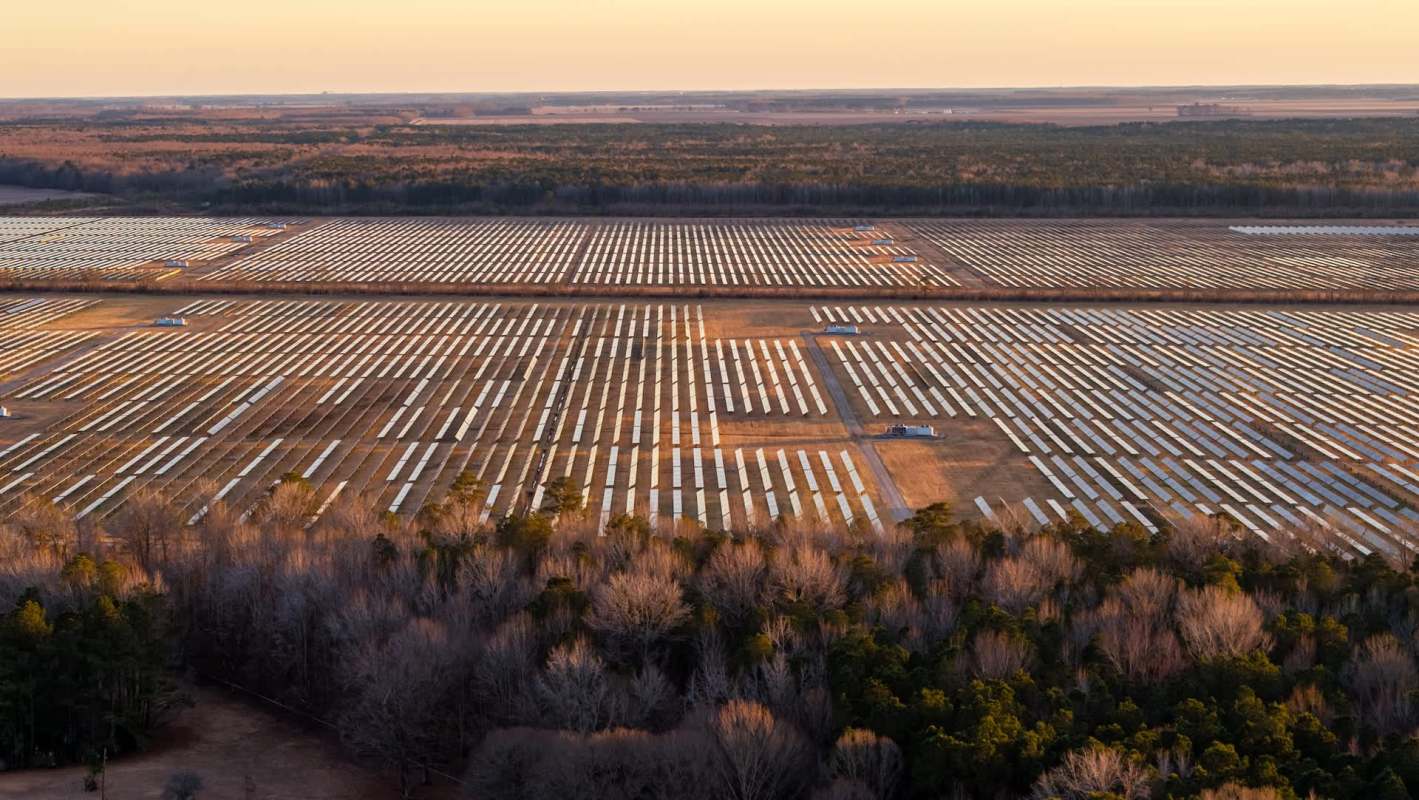
A notable shift is underway in the U.S. clean-energy mix with utility-scale solar now providing more installed capacity than wind, according to a report from the American Clean Power Association (ACP).
After 6.4 gigawatts of utility-scale solar, wind, and storage were added in the first quarter of 2026, total U.S. clean power capacity moved above 370 GW.
What happened?
According to ACP's Q1 2026 Clean Power Quarterly Market Report, as cited by pv magazine, the quarter's new capacity consisted of 3.625 GW of utility-scale solar, 2.382 GW of storage, and 415 megawatts of wind.
That buildout moved utility-scale solar past wind in nationwide installed clean power capacity, the outlet noted.
Texas leads by a wide margin at 96.4 GW of installed clean energy capacity, representing more than one-quarter of the U.S. total and putting the state close to 100 GW, per the report. California is next at nearly 46.4 GW, followed by Oklahoma at just over 15 GW.
Still, growth slowed in the quarter, the ACP noted. New additions were 17% lower than in Q1 2025 because another 6.4 GW that had been expected by the end of March did not come online on time.
TCD Picks » Quince Spotlight
💡These best-sellers from Quince deliver affordable, sustainable luxury for all




Why does it matter?
More solar and battery storage on the grid can reduce reliance on expensive, polluting fuels while supporting a more stable electricity system.
As more clean energy comes online, it can help blunt the impact of fuel-price swings and reduce the pollution that contributes to rising global temperatures and dirtier air.
ACP said 59.5 GW worth of projects have been delayed, with bottlenecks tied to permitting, interconnection queues, and equipment costs, as pv magazine noted.
Those sorts of delays can frustrate consumers as they face higher bills due to external factors, including conflict in the Middle East or new data centers in their area.
When governmental red tape or obstruction is part of the issue that can be even more bothersome to residents. That seems to be holding back wind power in particular.
What are people saying?
ACP also said more than 195 GW of capacity is in development nationwide, with planned solar up 13% from a year earlier and battery storage up 8%.
Highlighting what may come online next, the report said a "significant portion of that planned capacity should be energized late in 2026," including large projects such as New Mexico's 3.5 GW SunZia project, as pv magazine noted.
The future of wind seems the most concerning for the long-term trajectory of domestic clean energy supply.
"Early-and-mid-stage land-based wind projects have struggled to secure approvals from federal regulators, and offshore wind continues to weather permitting roadblocks and uncertainty," the report summary noted.

Get TCD's free newsletters for easy tips, smart advice, and a chance to earn $5,000 toward home upgrades. To see more stories like this one, change your Google preferences here.






