


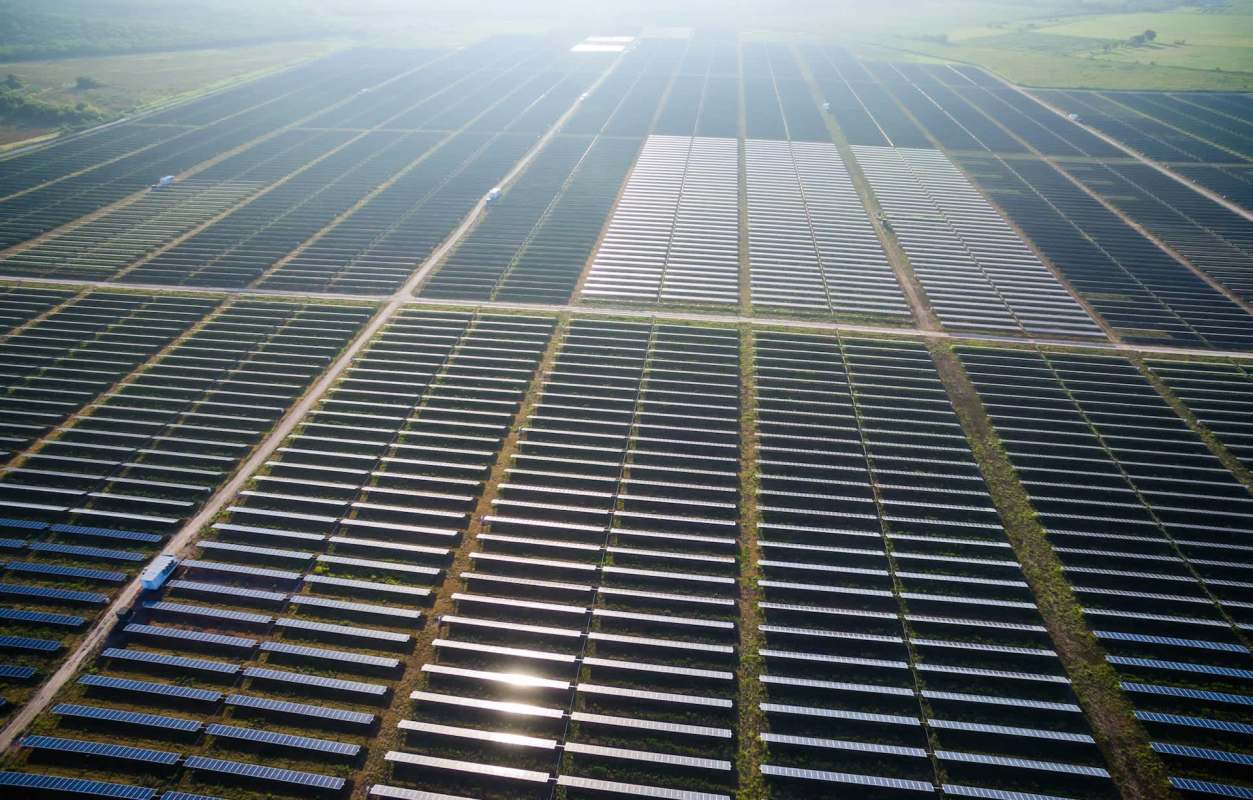
Texas is on track to hit a major energy milestone — and it could be a win for both electricity customers and the environment.
Solar power is expected to overtake coal in the Electric Reliability Council of Texas market in 2026, according to the latest Short-Term Energy Outlook from the U.S. Energy Information Administration.
As reported by PV Magazine, the ERCOT market is projected to generate about 78,000 gigawatt-hours of solar power in 2026, compared with roughly 60,000 gigawatt-hours for coal.
For a state long associated with coal production, the shift highlights how quickly Texas' electricity mix is changing.
The transition is being driven by a massive renewable energy buildout. By the end of 2026, solar is forecast to provide 12% of Texas' electricity generation, while coal falls to around 13%.
Texas could account for roughly 40% of all new U.S. solar capacity added in 2026, including 14 gigawatts of utility-scale projects.
TCD Picks » Quince Spotlight
💡These best-sellers from Quince deliver affordable, sustainable luxury for all




One major example is the 837-megawatt Tehuacana Creek 1 Solar and BESS facility, which is expected to become the largest single photovoltaic project to come online in the United States this year.
Battery storage is expanding rapidly alongside solar. Texas represents 12.9 gigawatts, or 53%, of the 24 gigawatts of utility-scale battery storage expected to be added to the U.S. grid in 2026.
That matters because batteries can store extra solar power generated during sunny hours and send it back to the grid later, when demand spikes.
In practical terms, that can improve grid stability, reduce strain during peak usage, and lessen exposure to the fuel-price swings tied to coal and gas.
There are environmental and public health benefits as well. Replacing coal with more solar power can reduce planet-warming pollution and lower emissions linked to poor air quality.
In a fast-growing state that regularly faces extreme heat, expanding clean energy and battery storage could help meet rising electricity demand without adding as much pollution to the atmosphere.
Texas is also part of a broader national trend. Solar and wind recently reached a record 17% share of total U.S. power generation, and federal forecasts suggest those sources could supply more than 20% of the country's power mix by early 2027.
For homeowners interested in cutting energy costs, solar is increasingly attractive as energy prices fluctuate.
Services like EnergySage offer free tools that can help you compare competitive bids from vetted local installers, saving up to $10,000 on installation costs.
And if upfront costs are a concern, Palmetto's LightReach program offers $0-down solar leasing options that lower utility bills by up to 20%.
Tools like TCD's Solar Explorer are helping simplify the process of going solar. The platform offers concierge-style guidance, helps homeowners compare competitive bids from vetted installers that can reduce installation costs by up to $10,000, and includes $0-down subscription-style options for households working within tighter budgets.

Get TCD's free newsletters for easy tips, smart advice, and a chance to earn $5,000 toward home upgrades. To see more stories like this one, change your Google preferences here.






