


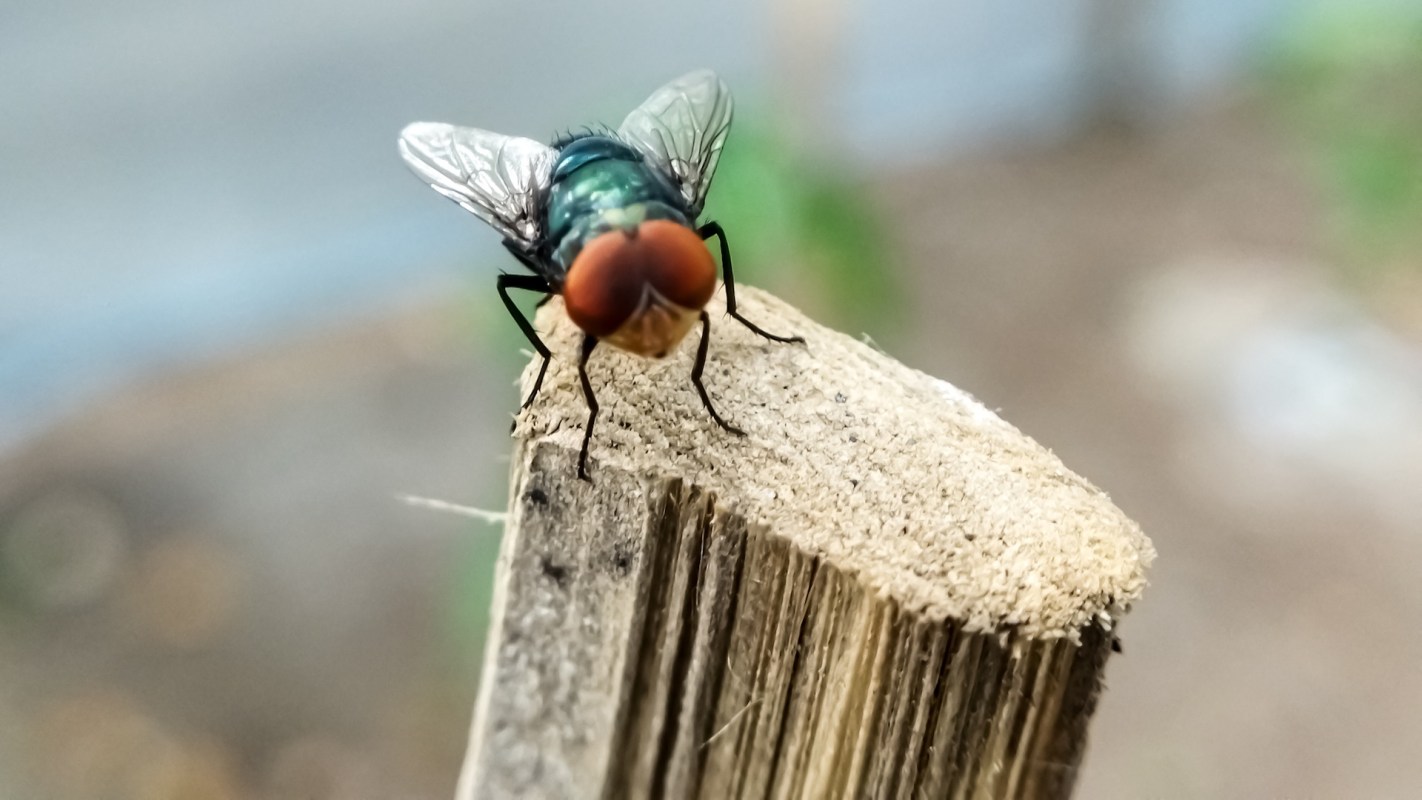
Texas is responding to more confirmed cases of New World screwworm with urgent containment steps, including quarantines and the release of millions of sterile flies, FOX 7 Austin News reported.
What's happening?
Last week, the state's second known case was discovered in Zavala County, where officials found an infected calf near the site of the earlier detection. According to FOX 7 Austin, this case was about 5.6 miles from the first one, which involved a 3-week-old calf.
As of June 8, the U.S. Department of Agriculture has confirmed two additional cases in the region, bringing the total to four.
Officials consider the New World screwworm one of the most destructive pests ever seen for livestock and wildlife, and although human infections are uncommon, they do occur.
These larvae invade the living tissue of warm-blooded animals, causing serious wounds, intense suffering, and, if treatment does not come in time, possible death.
According to the local news station, the USDA and the Texas Animal Health Commission have established a 12-mile-wide "infested zone" around the Zavala County site and implemented strict quarantine measures and controls on live-animal movement.
TCD Picks » Quince Spotlight
💡These best-sellers from Quince deliver affordable, sustainable luxury for all




Why does it matter?
Even a small outbreak can carry major consequences for ranchers and rural communities. Infected animals may require immediate treatment, herds may face movement restrictions, and producers may incur steep financial losses due to veterinary care and operational disruptions.
Livestock health is also closely tied to food systems and regional economic stability, especially in areas where cattle production helps support family incomes and community businesses.
Wildlife is also at risk. Because screwworm larvae feed on living flesh, infestations can harm deer and other warm-blooded animals, adding pressure to already strained ecosystems.
What's being done?
To help stop the spread, the USDA's Animal and Plant Health Inspection Service strike team and mobile response trailers were sent to the area. Screwworm populations can grow quickly if left unchecked.
Sterile fly releases are a central part of the response, according to the local news outlet, with about two million flies released by air each week and another four million distributed through ground operations in the region.
The aim is to shrink the wild population over time, since wild screwworm flies that mate with sterile flies do not produce offspring.
People living near the quarantine zone are being told to follow animal movement rules and monitor livestock closely for unusual wounds or signs of infestation. Quick reporting and treatment help keep the outbreak from spreading.

Get TCD's free newsletters for easy tips, smart advice, and a chance to earn $5,000 toward home upgrades. To see more stories like this one, change your Google preferences here.






