


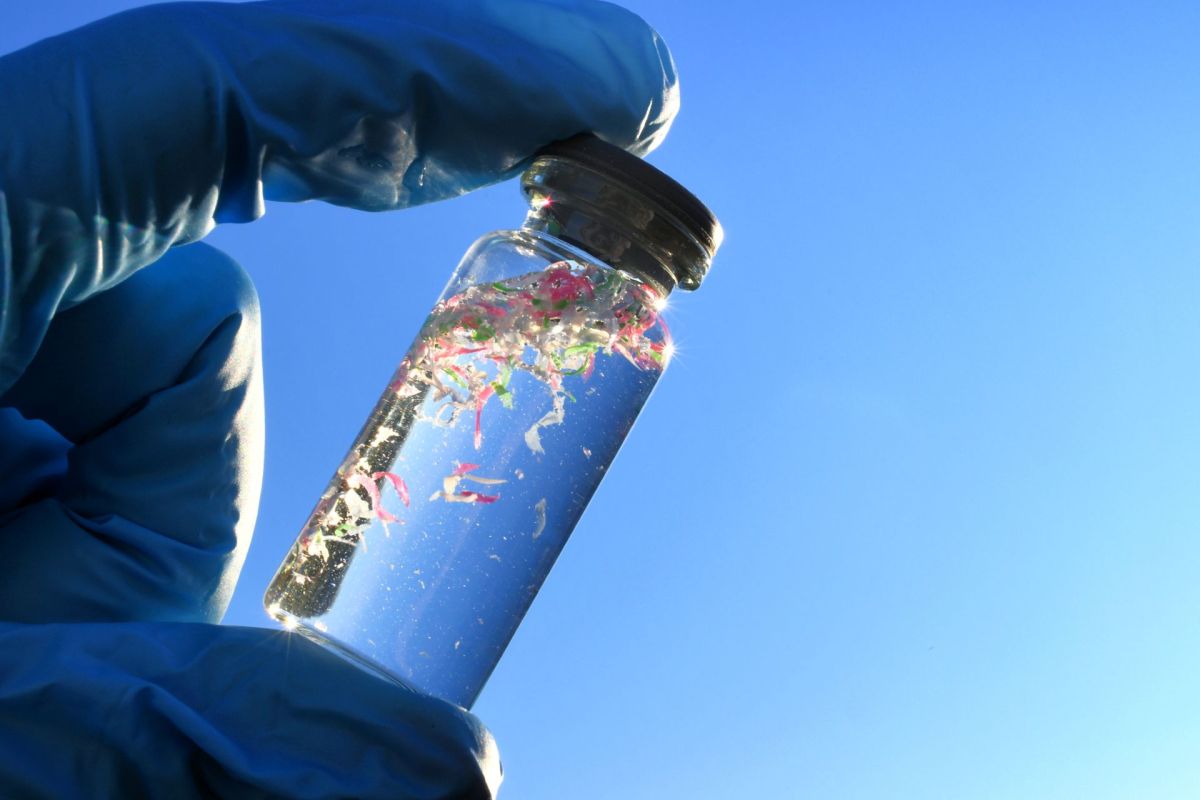
A major pollution fight is brewing in South Carolina after environmental advocates issued a press release alleging they found more than 25,000 plastic pellets, or "nurdles," in and around Charleston Harbor.
As WCIV reported,, that discovery could lead to a federal lawsuit against four companies on the Cooper River, which critics say have contributed to years of preventable plastic contamination in one of the region's most important waterways.
What happened?
Charleston Waterkeeper, represented by the Southern Environmental Law Center, sent a notice of intent to sue Agru America, Frontier Logistics, Ray-Mont Logistics, and the South Carolina Ports Authority, WCIV detailed.
The filing says nurdles reached the Cooper River and Charleston Harbor through spills, stormwater runoff, and the companies' handling practices.
Since 2021, Charleston Waterkeeper said it has documented more than 25,000 of the tiny pellets in marshes, beaches, and other downstream areas.
The pellets are used to make plastic products, but once they enter the environment, advocates say they can persist for years and break down into even smaller microplastics.
TCD Picks » Quince Spotlight
💡These best-sellers from Quince deliver affordable, sustainable luxury for all




WCIV reported that Frontier Logistics was already sued in 2020 over nurdle pollution connected to its former Union Pier operations. That case ended in a $1 million settlement after pellets were found on Sullivan's Island beaches.
The four companies did not immediately respond to the allegations, according to WCIV. Before Charleston Waterkeeper can move ahead with a citizen lawsuit in federal court, the filing notes that federal law gives them 60 to 90 days to address the claims.
Why does it matter?
Nurdles are small enough to be eaten by fish and other wildlife, and advocates say they can degrade into increasingly smaller microplastic particles.
That raises concerns for ecosystems and for people who rely on clean water, seafood, and beaches. That's no small thing as Charleston Harbor is a key part of the local economy.
If companies handling raw plastic are allowing it to spill into surrounding wetlands and waterways, communities can be left to deal with the cleanup, damaged habitats, and possible threats to public health through microplastic exposure.
What are people saying?
Catherine Wannamaker, a senior attorney with the Southern Environmental Law Center, said the group has fought this issue before and is prepared to do so again.
"Clean water, marshes, beaches, and seafood are the lifeblood of our local economy and character of the Lowcountry; microplastic pollution is an affront to all of that," Wannamaker said in the release.
Charleston Waterkeeper's Andrew Wunderley was even more blunt:
"This problem is 100% preventable," Wunderley said. "These companies need to do a better job and stop polluting our estuary with microplastics that harm wildlife and water quality."

Get TCD's free newsletters for easy tips, smart advice, and a chance to earn $5,000 toward home upgrades. To see more stories like this one, change your Google preferences here.






