


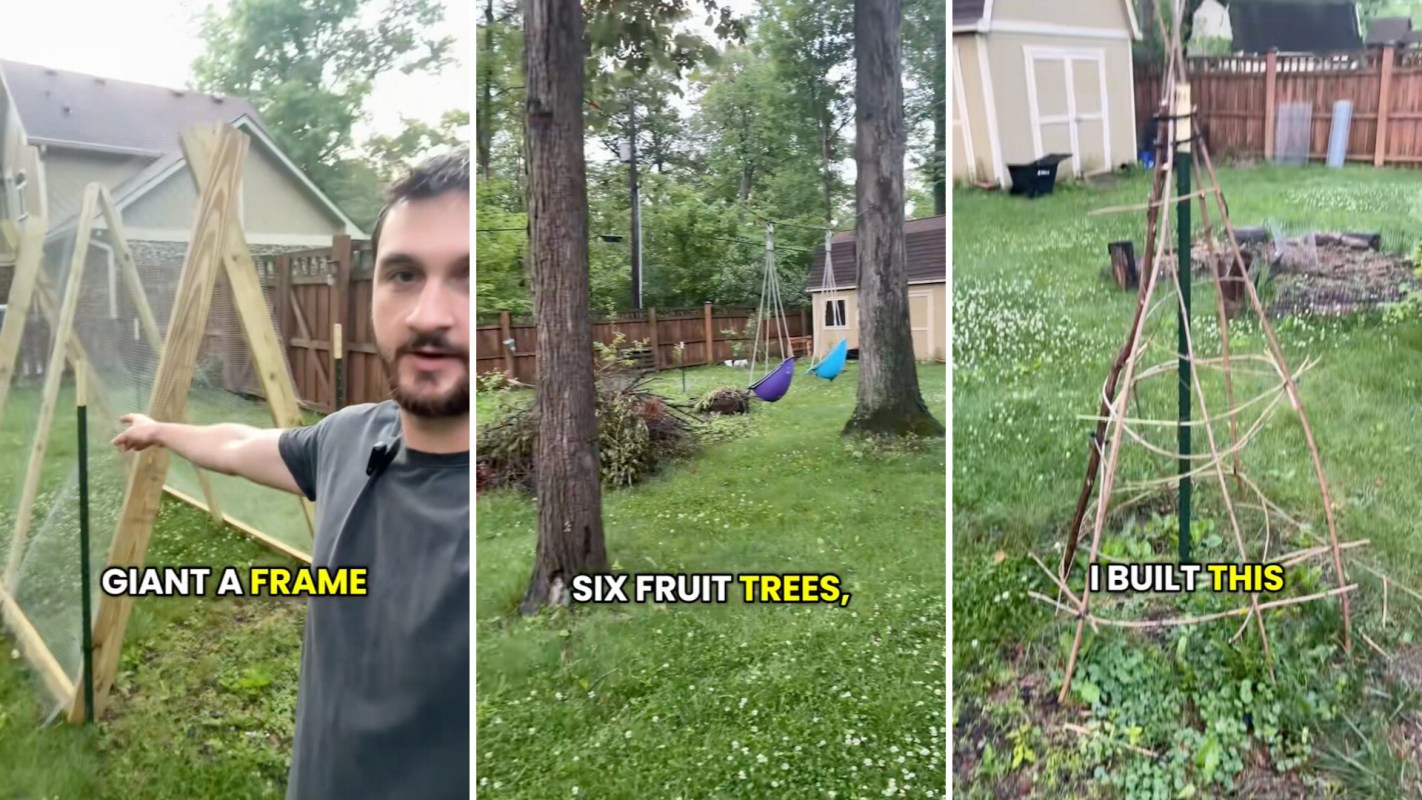
A backyard gardener on TikTok is pushing back on a common assumption about growing food at home: that it takes a huge amount of land to make it worthwhile.
In a recent video, creator Nick Mayhew (@nick.mayhew418) showed how roughly 0.3 acres can support fruit trees, chickens, berries, compost, and a productive backyard garden.
What's happening?
In the post, Mayhew said his property covers about 0.7 acres, though only around 0.3 acres is used for most of the gardening and food production featured in his videos.
@nick.mayhew418 You don't need generational land to build generational wealth. In this video, I try to demonstrate what's possible in a small amount of space if you decide to begin your own permaculture food forest. I'm not even close to my goals for my property and I've already planted dozens of things that will provide for my family for years to come. #permaculture #foodforest #gardening #backyardhomestead ♬ original sound - Nick Mayhew
Even within that smaller space, he said he has "over six fruit trees, chickens, a garden," and a compost setup in one section alone.
He also highlighted edible plants elsewhere on the property, including figs, elderberries, and two pear trees in the front yard, as well as more than 30 strawberry plants and raspberry bushes in the back.
A major part of his approach is growing upward rather than outward. The clip also shows vertical structures such as an obelisk built from water shoots, a big A-frame, and trellises attached to his garden beds that are "still surviving a year later."
TCD Picks » Quince Spotlight
💡These best-sellers from Quince deliver affordable, sustainable luxury for all




Why does it matter?
One of the biggest barriers to gardening is the belief that there simply is not enough land.
But a small edible landscape can help reduce grocery costs over time. Fruit trees, berry bushes, and other perennial plants may require patience at first, but once established, they can keep producing for years.
Composting can also reduce yard waste while creating soil amendments that may lower spending on store-bought garden inputs.
Diverse home plantings can support pollinators, improve soil health, and make better use of available space.
What can I do?
A couple of berry bushes, one dwarf fruit tree, or a raised bed can be a more manageable starting point than trying to build an entire backyard food forest all at once.
Vertical gardening is also one of the most useful strategies for smaller spaces. Trellises, arches, and simple supports can help grow climbing crops without taking up as much ground space. Fence lines, sunny corners, and front-yard edges may also offer planting opportunities that are easy to overlook.
Choosing crops and native plants suited to your climate can make maintenance easier and improve the chances of repeat harvests.
As Mayhew put it, "You don't need generational land to build generational wealth."

Get TCD's free newsletters for easy tips, smart advice, and a chance to earn $5,000 toward home upgrades. To see more stories like this one, change your Google preferences here.






