


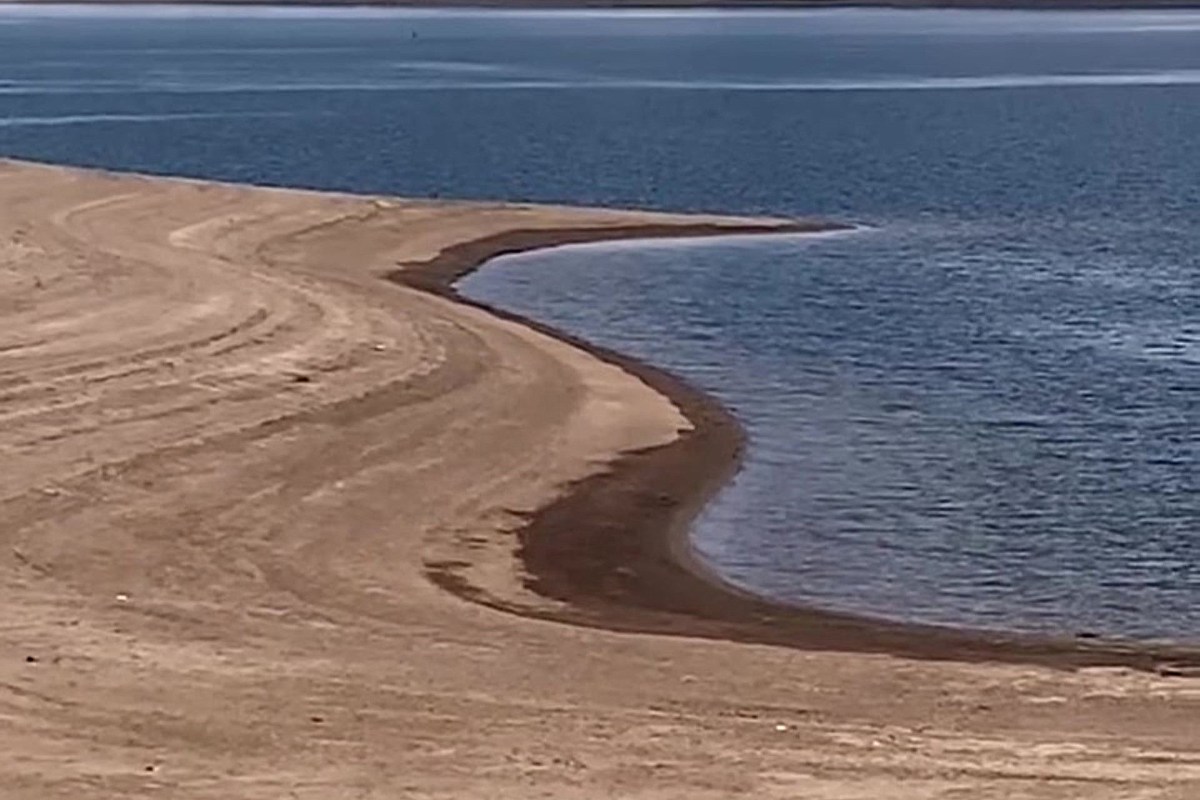
A new drone video is casting Colorado's water worries in stark relief.
In footage shared May 25, Lake Granby appears visibly drawn down, with Upper Colorado Watershed Environment Team warning in the caption that the reservoir remained at about two-thirds full ahead of summer.
What's happening?
UCWET shared an Instagram reel to their account (ucwetcolorado) highlighting shrinking water storage at the reservoir, which is tied to Northern Water's deliveries to Colorado's Front Range.
The post says the lake is "currently less than 2/3 full" after a winter marked by record-low snowpack. Broad drone shots showed an exposed shoreline and a reservoir that already looks stressed as it heads into the hottest stretch of the year.
"I have never seen that lake so low," a local user reacted.
As the post stated, Lake Granby helps store water for use later in the year, when hotter temperatures arrive, and outdoor demand tends to rise. In the caption, the group warned that "our Colorado water supply on both sides of the divide is in crisis."
TCD Picks » Quince Spotlight
💡These best-sellers from Quince deliver affordable, sustainable luxury for all




In the comment section, viewers debated possible causes and pressures, including weather modification, data center water use, and whether climate patterns such as El Niño could still shift conditions.
"The problem is low to negligible snowpack, so the reservoirs really won't fill much this spring," a commenter warned. "You haven't seen nothing yet … wait until this fall and it will be shocking."
Why does it matter?
Reservoir storage is the cushion many communities rely on when snowpack underperforms. When that cushion is already thin before summer, it can affect how confidently cities, farms, and water managers plan for the months ahead.
The warning reflects a difficult reality of water scarcity, which is that legal claims do not create supply. Even communities with longstanding access rights can run into trouble when there simply is not enough water in the system.
As Colorado deals with historically low snowpack, these pressures are starting to form. While extreme weather has always existed, the changing climate and record temperatures can supercharge snow drought.
That uncertainty can slow progress toward a more secure future, especially in fast-growing regions that need dependable water for homes, schools, businesses, and public health. It also increases pressure on communities on both sides of the Continental Divide, where people are already navigating hotter seasons and tighter supplies.
What's being done?
UCWET is trying to frame the issue as one that requires public attention and conservation, not just quiet monitoring by water agencies. Comments showed disagreement over both the causes and the solutions.
Data centers drew the ire of many viewers, and rallying against them is certainly a cause that many residents are participating in.
The deeper challenge is undoubtedly collective and requires protecting water sources and planning around lower-snow years. A stressed reservoir is not just a scenic warning sign, but a signal that the everyday systems people depend on are under pressure.
"The United States doesn't believe water is a humanitarian right," a commenter declared.

Get TCD's free newsletters for easy tips, smart advice, and a chance to earn $5,000 toward home upgrades. To see more stories like this one, change your Google preferences here.






