


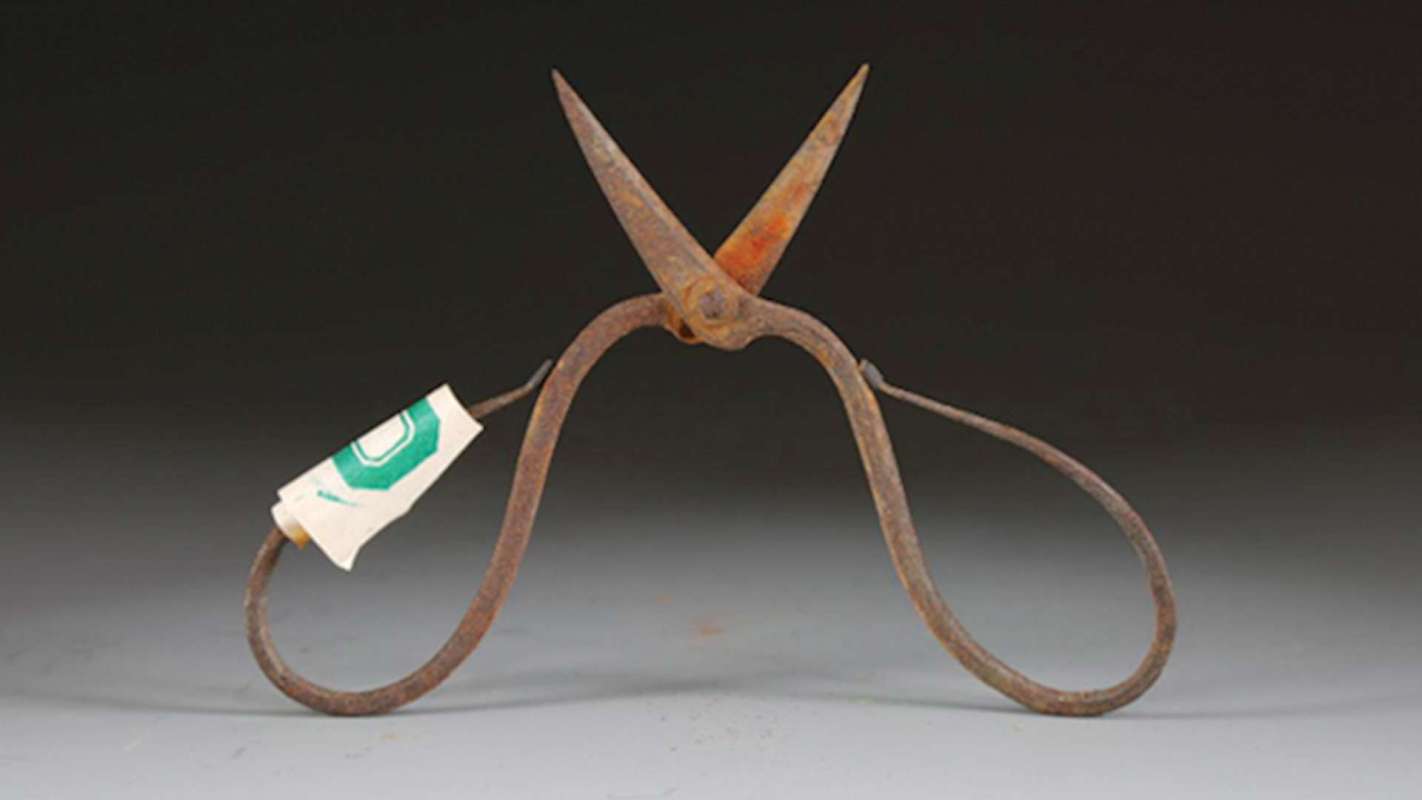
A set of 600-year-old surgical tools from China is drawing fresh attention after scientists detected chemical traces of a poisonous plant compound once used to numb pain during operations.
The finding, published in Antiquity, has been described as the earliest direct chemical evidence of an anesthetic on ancient medical instruments and is reshaping what historians thought they knew about early surgery, according to Smithsonian.
Researchers analyzed residue left on iron scissors and tweezers buried with Xia Quan, a physician born in 1348 who lived through the dawn of the Ming dynasty. The instruments were originally excavated in Jiangsu Province in 1974 and are now housed at the Jiangyin Museum.
The researchers used X-ray fluorescence to confirm that the tools were iron, then applied micro-Raman spectroscopy to the residue on their surfaces. They found traces of aconitine, a highly toxic compound from Aconitum plants, including monkshood and wolfsbane. Historically, the substance was known as both a poison and a medicine.
The researchers said the residue points to the use of a processed topical anesthetic during surgery. In a statement, study co-author Congcang Zhao said scientists had effectively "read the traces of anesthetic medicine left on those instruments using a beam of laser light" and called the result the earliest direct chemical evidence of anesthetics on ancient surgical tools, according to Smithsonian.
The discovery suggests that doctors in Ming China may have developed sophisticated methods for managing pain long before local anesthetics became standard elsewhere. Practitioners likely detoxified the dangerous plant material through careful preparation methods, creating an anesthetic powder called Caowu San that could desensitize tissue and enable pain-free surgery.
TCD Picks » Quince Spotlight
💡These best-sellers from Quince deliver affordable, sustainable luxury for all




Historical records of Chinese surgical practice are relatively limited, and physical evidence like this helps fill major gaps.
Around the same era, some medieval English surgeons were also trying to ease patients' pain with sedatives such as opium and hemlock. More often, though, they restrained conscious patients on the operating table. Europe did not get its first local anesthetic until the 1800s.
Experts said the discovery points to a remarkable level of medical skill. Zhao said the residue shows physicians had the "practical ability to balance drug potency with patient safety."
Smithsonian reported that Carney Matheson, a forensic scientist at Griffith University who was not involved in the study, told New Scientist that isolating and safely processing aconitine in 14th-century China would have required "a tremendous amount of science."
He added that the finding helps explain how surgery in the period may have been "prolific and actually manageable in the past."

Get TCD's free newsletters for easy tips, smart advice, and a chance to earn $5,000 toward home upgrades. To see more stories like this one, change your Google preferences here.






