


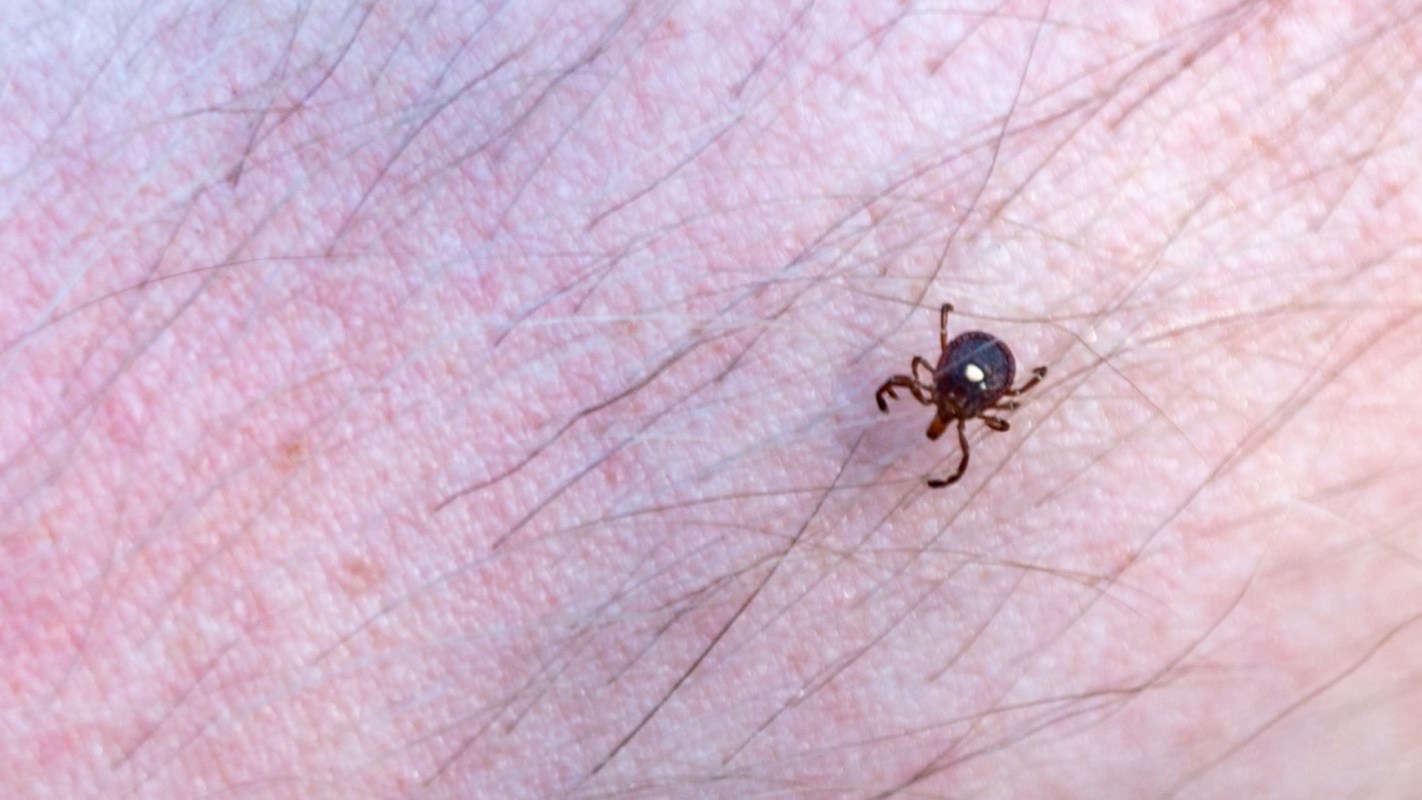
Rhode Islanders are being urged to pay closer attention to brush and tall grass this summer as ticks become a fast-moving threat, WJAR reported.
What's happening?
Health professionals in Rhode Island say residents should watch for the lone star tick as it appears more often in brushy outdoor areas during the summer months.
Researchers at the University of Rhode Island are hunting down these ticks in hopes that they can quell their spread and the transmission of alpha-gal syndrome, a potentially life-threatening red meat allergy.
"[There's been] really an explosion in the number of lone star tick encounters. They increased like 300%," Dr. Thomas Mather, plant sciences and entomology professor at URI, told WJAR.
Officials are treating the issue as a practical public health concern, especially for families spending more time outdoors in yards, parks, and wooded spaces. They say people should assume tick exposure is possible and take basic precautions before and after being outside.
Why does it matter?
A growing tick population can affect daily life in ways that go beyond an itchy bite.
TCD Picks » Quince Spotlight
💡These best-sellers from Quince deliver affordable, sustainable luxury for all




That makes outdoor exposure a greater concern for hikers, gardeners, landscapers, pet owners, and parents with children playing in grassy or wooded areas. A typical summer activity can quickly turn into a health issue if a tick goes unnoticed.
This warning applies to places many people move through every day, including trail edges, overgrown yards, brush, and other spots where ticks can easily latch on.
The female, identified by a white dot on its back, feeds more heavily than males and can often get caught in skin folds and inside clothing.
What can I do?
Health professionals are encouraging people to adopt simple habits that reduce the chances of a tick bite before heading outside.
That includes avoiding brushy areas when possible, wearing protective, light clothing, and using tick repellent. After spending time outdoors, checking your body, your children, your clothing, and your pets can help catch ticks before they become a bigger problem.
It can also help to shower soon after being outside and to wash or change clothes, especially after yardwork, walks, or time near wooded edges. Around the home, limiting dense brush may reduce places where ticks thrive.
If you do find a tick, remove it promptly and watch for any unusual symptoms afterward, such as gastric distress. If a bite is followed by an allergic reaction, contact a medical professional.

Get TCD's free newsletters for easy tips, smart advice, and a chance to earn $5,000 toward home upgrades. To see more stories like this one, change your Google preferences here.






