


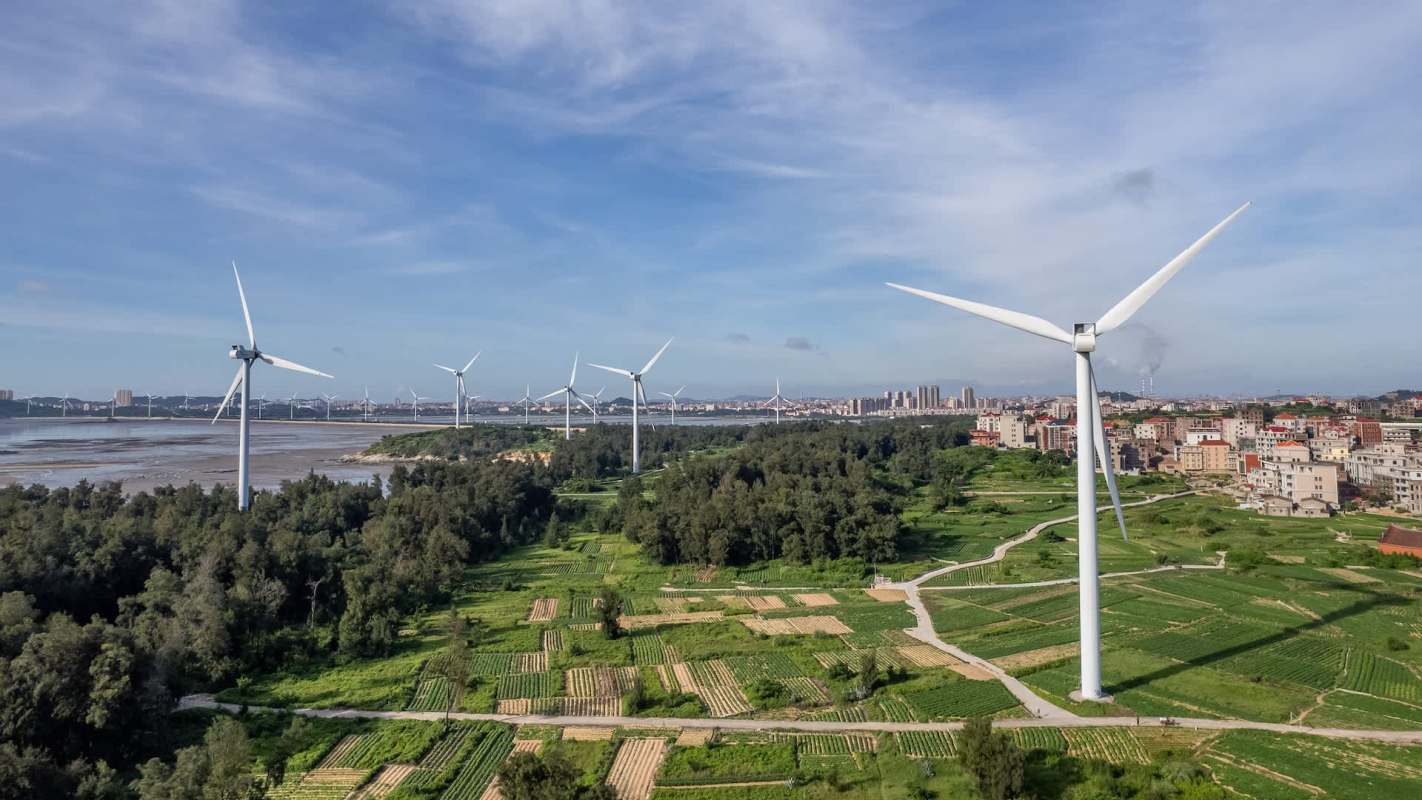
A new analysis circulating online offers a rare climate bright spot for one of the world's biggest countries. According to Dialogue Earth, China's coal-based electricity output and power-sector pollution declined last year, the first such drop in 10 years.
There is a significant catch: Even as wind and solar surged, grid bottlenecks meant large amounts of clean electricity were still wasted, at an estimated cost of $17 billion.
What happened?
Dialogue Earth found that a surge in wind and solar met most of the increase in China's electricity demand, helping to lower national coal use and reduce pollution.
That headline shift masked a far more uneven picture across the country. As the outlet reported, 18 provinces cut power-sector pollution, while 13 saw it rise.
The biggest clean-energy gains came from two very different types of places, Dialogue Earth uncovered. There were major power-exporting regions in the north and west, such as Inner Mongolia and Xinjiang, and high-demand coastal provinces in the east, including Guangdong, Jiangsu, and Zhejiang.
Inner Mongolia stood out, adding so much clean generation that fossil power there dropped by about 26 terawatt-hours. Shandong also helped drive the national decline.
TCD Picks » Quince Spotlight
💡These best-sellers from Quince deliver affordable, sustainable luxury for all




Still, several fast-growing provinces added more clean power without reducing fossil generation, Dialogue Earth reported.
The biggest problem is what experts call curtailment. That occurs when the grid cannot absorb available wind and solar power, so that electricity is effectively thrown away.
Why does it matter?
The report found that avoiding those losses would have raised China's wind and solar output by about 13%, enough to replace another 5% of coal-fired generation.
Clean power growth in China's coastal demand centers helped reduce reliance on imported coal and gas, especially during turmoil around the Strait of Hormuz.
That's great news for the country, but it could also make a dent in the world's greatest polluter. China's moves to rapidly add and innovate in clean energy generation are already making a difference in the country.
Considering the link between polluting fuel sources and extreme weather events, the goal for China and other countries should be progress, not perfection. There are bound to be some growing pains as countries start generating massive amounts of clean power.
Quickly addressing those with energy-storage products and grid upgrades will be critical to fully capitalizing. On the other hand, using those challenges as a justification to prop up the fossil fuel industry is an inappropriate response.
The industry not only contributes to extreme weather events, but it also plays a large role in pollution that is harmful to public health, the planet, and the local economy when supply is unpredictable.
What's being done?
Dialogue Earth reported that new national guidelines treat wind and solar curtailment as a key hurdle in the energy transition and push greater use of clean power.
As China President Xi Jinping has argued, the country's clean-power boom is no longer just a climate story. It increasingly helps China deal with supply shocks and security concerns.
The authors of the Dialogue Earth piece see the benefits manifesting in the country. "By expanding clean electricity in, or delivering it to, coastal demand centres, China can meet more of its power demand without turning to fuel shipped from overseas," they concluded. "In that sense, clean power has become both a decarbonisation tool and an energy-security asset."

Get TCD's free newsletters for easy tips, smart advice, and a chance to earn $5,000 toward home upgrades. To see more stories like this one, change your Google preferences here.






