


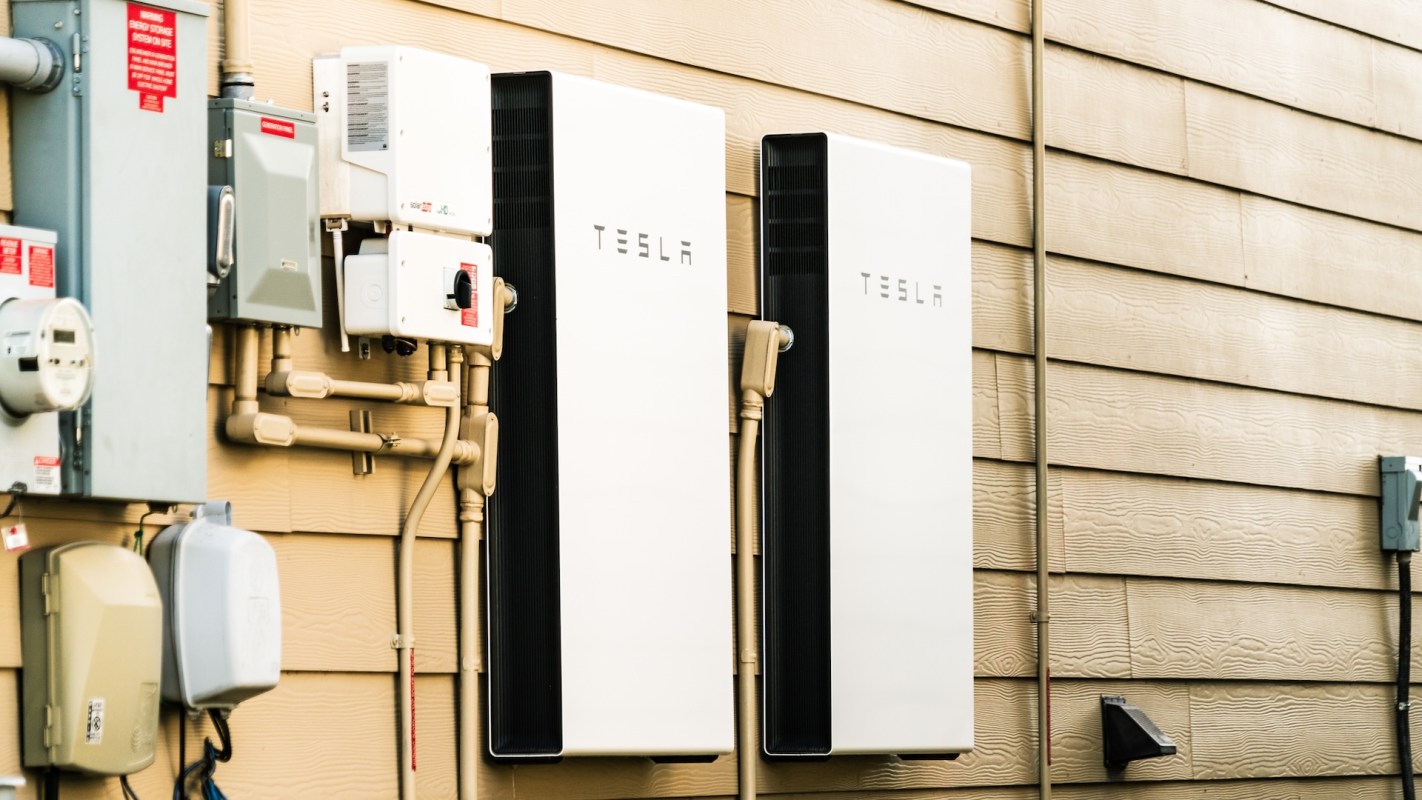
A Tesla Powerwall in the garage could soon do more than keep the lights on during an outage.
Under a California bill moving through the state legislature, home batteries could be bundled together and paid to support the grid — potentially earning homeowners anywhere from a few hundred dollars to as much as $1,500 per year.
What's happening?
California is adding home battery storage at a rapid pace. Figures by the California Public Utilities Commission, as reported by Autonotion, show that about 8,000 residential backup batteries join California's grid each month, representing roughly 100 megawatts of storage.
Right now, much of that customer-paid capacity is barred from the market utilities use for peak-demand power purchases, according to the report. That means thousands of batteries sitting in garages and on walls across the state are effectively prevented from competing with gas peaker plants when extra grid power is needed.
Senate Bill 913, introduced March 24 by State Sen. Josh Becker, aims to change that. The measure cleared the Senate Energy Committee on April 7 and moved to Senate Appropriations.
If it becomes law, companies known as aggregators could combine thousands of household batteries into "virtual power plants," or VPPs. Those VPPs would act as a single grid resource during periods of high demand, with some of the utility payments flowing back to homeowners, according to Autonotion.
TCD Picks » Quince Spotlight
💡These best-sellers from Quince deliver affordable, sustainable luxury for all




Why does this proposed law matter?
The clearest benefit is the chance to offset the steep cost of buying a battery system. Autonotion reported that a typical annual payout in California may fall somewhere between $200 and $1,500, depending on battery size, dispatch frequency, and the aggregator's share.
That could make home energy storage more appealing for families looking to cut electric bills, add backup power, or get more value from rooftop solar systems. Instead of sitting idle most of the year, a battery could become an income-producing asset.
When utilities lean on gas peaker plants during extreme heat or demand spikes, those facilities can drive up air pollution and dirty energy use. Allowing distributed batteries to fill some of that role could help reduce reliance on fossil fuel-powered backup generation.
Making better use of existing batteries could also improve reliability without requiring entirely new large-scale infrastructure.
What's being done next?
SB 913 would open the door for residential batteries to participate more directly in California's resource adequacy market, where utilities secure enough electricity to meet demand.
That would create a clearer pathway for virtual power plants built from home batteries such as the Tesla Powerwall. In practice, software would coordinate charging and discharging across many systems so they can respond to a grid dispatch together, as described by Autonotion.
The opportunity is still prospective, not guaranteed. Homeowners interested in participating would likely need a compatible battery, an enrollment agreement with an aggregator, and a willingness to let some stored energy be used at specific times in exchange for compensation.
If California expands these programs, factors like battery size, expected cycling, solar compatibility, and how different providers split earnings could determine whether annual payments stay closer to $200 or rise toward $1,500.
Given that California is already adding around 100 megawatts of new storage capacity monthly — paid for by homeowners — this new bill could finally allow those residents to earn something back.

Get TCD's free newsletters for easy tips, smart advice, and a chance to earn $5,000 toward home upgrades. To see more stories like this one, change your Google preferences here.






