


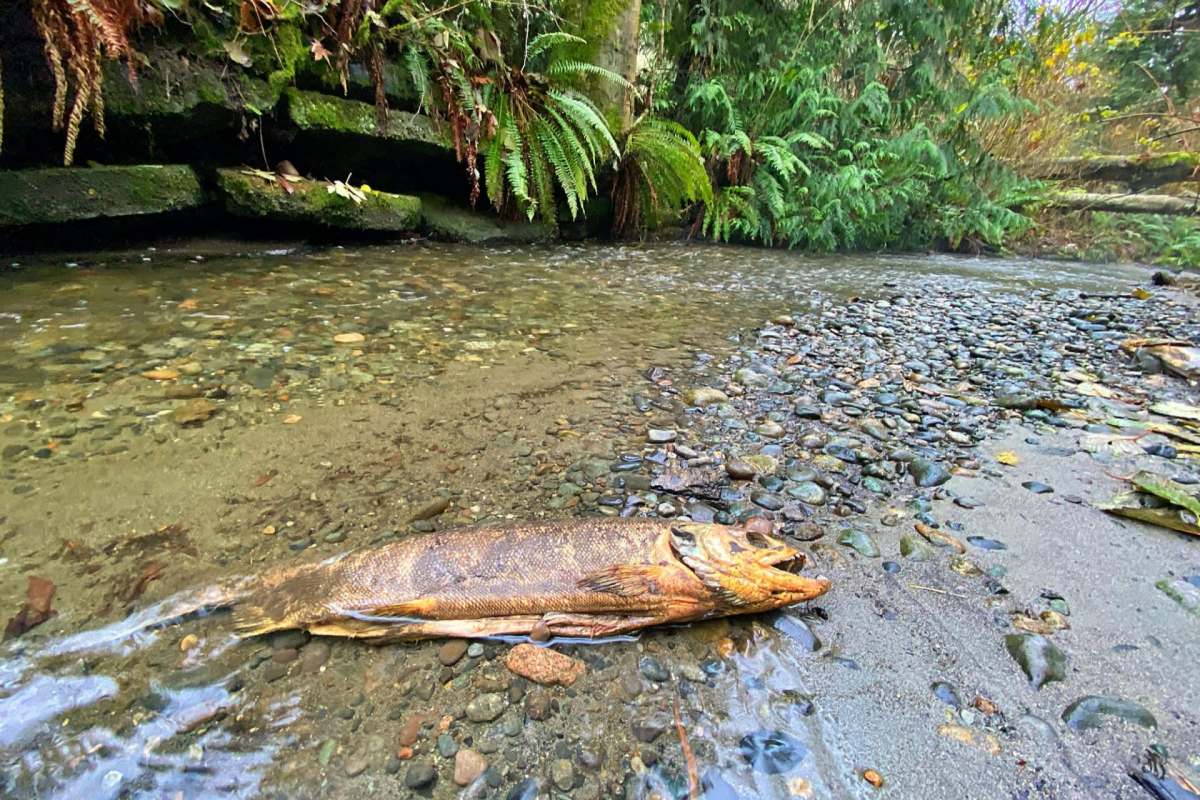
A ruptured chemical tank at a Washington packaging facility has killed several people and left others missing while polluting one of the Pacific Northwest's most important waterways. Officials confirmed that dozens of dead fish were discovered nearby.
What's happening?
According to KOIN 6 News, the spill reached the Columbia River after a tank failed Tuesday at Nippon Dynawave Packaging's plant in Longview, raising fresh concerns about industrial safety and environmental accountability.
At least eight people died when the tank ruptured, and employees were still missing Thursday.
Officials with the state Department of Ecology told KOIN 6 News that chemicals from the broken tank reached the Columbia River and that by Wednesday afternoon there were 14 dead fish — 13 carp and one redside shiner — by the Longview dikes. In the 800,000-gallon vat holding the chemicals, officials believe there were about 600,000 gallons at the time of the spill.
The tank contained white liquor, a caustic chemical mixture used in paper production to break down wood chips into pulp, per earlier reporting by KOIN 6 News. Officials said they did not know how much reached the river or which chemicals were included.
Are the chemicals dangerous?
KOIN 6 reported it is not yet known how much of the chemicals leaked into the water or which specific chemicals they were, though white liquor is believed to be among them. White liquor is not alcoholic but has a pH of 12 to 13, reducing wood to a pulp like a harsh drain cleaner and able to burn the skin of most animals quickly.
TCD Picks » Quince Spotlight
💡These best-sellers from Quince deliver affordable, sustainable luxury for all




When any chemicals from a plant or mill enter a body of water, even a mere change to the pH or water content can cause the damage to spread quickly. Fish and other wildlife may be harmed first, but nearby communities are left to deal with the problem as well.
The Columbia River is a vital regional resource, and even a limited contamination event could create ripple effects for people who depend on it for fishing, economic activity, and recreation.
It also underscores how dangerous industrial failures can be, especially with facilities that handle large volumes of hazardous substances. Whatever caused the rupture, the result is the same: A private tank failure created a tragedy and public environmental risk.
For residents, that means concern about water quality, wildlife health, and whether oversight can prevent another avoidable spill.
What's being done about the spill?
According to KOIN 6 News, a spokesperson for the Department of Ecology said contractors were on-site to monitor water quality and clean up. More information was expected to be released as investigators and response crews learned more about the scope of the contamination.
Residents will look for updates from local agencies and additional testing data, as official guidance on affected areas, fish safety, and water conditions will be especially important.
This is also a reminder that industrial operators handling dangerous chemicals need strong safeguards, preventative maintenance, and accountability. When those systems fail, people and the environment in the area can end up dealing with the consequences.

Get TCD's free newsletters for easy tips, smart advice, and a chance to earn $5,000 toward home upgrades. To see more stories like this one, change your Google preferences here.






