


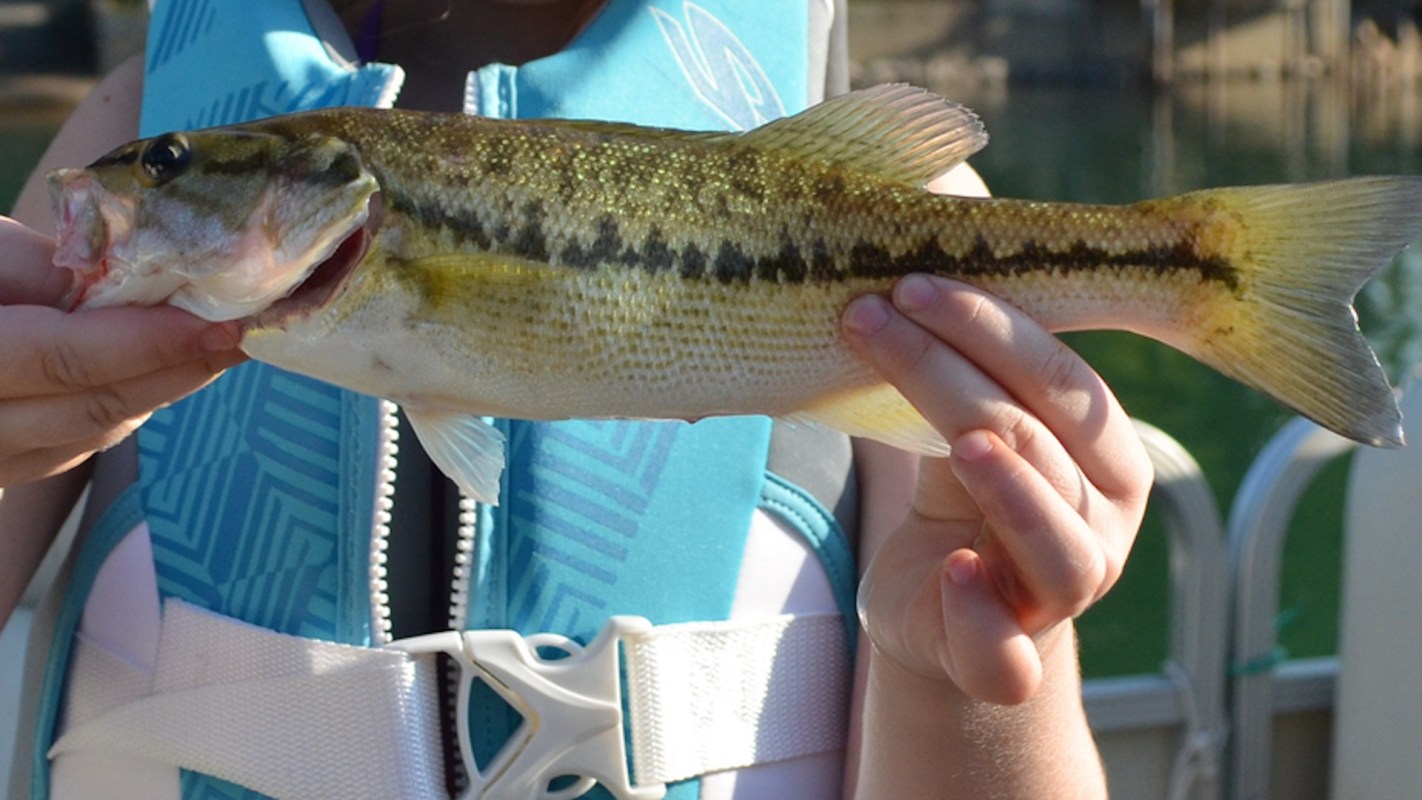
A troubling new threat has surfaced in a Kentucky lake, as state biologists have said invasive bass are reproducing in Lake Linville.
The Kentucky Department of Fish and Wildlife confirmed that Alabama and spotted bass hybrids are reproducing in the 356-acre lake in Rockcastle County, WKYT reported.
Officials said this is the first time those hybrids have been found in Kentucky waters.
Biologists do not yet know how widespread the fish are in the lake, so they are conducting genetic testing on the bass population. The results will help the agency determine how best to protect the lake and connected waterways.
The finding is especially alarming because Alabama bass have a history of disrupting fisheries in places where they are not native. In other regions, the species has altered populations of smallmouth, largemouth, and spotted bass.
Marcy Anderson, a program coordinator in the Southeast Fisheries District for Kentucky Fish and Wildlife, said the discovery is "concerning for fisheries in Kentucky," particularly because of the risk it poses to native bass species over time.
TCD Picks » Quince Spotlight
💡These best-sellers from Quince deliver affordable, sustainable luxury for all




When a nonnative fish gains a foothold, it can change what people catch, how ecosystems function, and how much time and money agencies must devote to containing the problem.
Kentucky Fish and Wildlife said its biggest concern is interbreeding. If Alabama bass continue breeding with smallmouth and spotted bass, those native fish could gradually be genetically displaced. That would be a setback for conservation and biodiversity.
The warning also underscores how easily invasive species can move from one body of water to another, especially when fish or plants are transported by people.
For now, state biologists are focused on understanding the scope of the problem. Genetic testing in Lake Linville will help officials determine how deeply Alabama bass hybrids have established themselves and which management options make the most sense.
The sooner wildlife managers know what they are dealing with, the better their chances of limiting damage to native fish populations and preserving the health of surrounding waters.
"It's not simply about an introduction of a new species," Anderson explained. "It's also the long-term negative consequences for the native bass species that anglers frequently target."

Get TCD's free newsletters for easy tips, smart advice, and a chance to earn $5,000 toward home upgrades. To see more stories like this one, change your Google preferences here.







