


A cross-border carbon market designed to reduce climate pollution is facing new scrutiny after a Bloomberg investigation found that some Chinese projects backed by European companies may not exist at all.
That means businesses may have been able to claim pollution cuts on paper while delivering little or no actual benefit to the atmosphere.
What's happening?
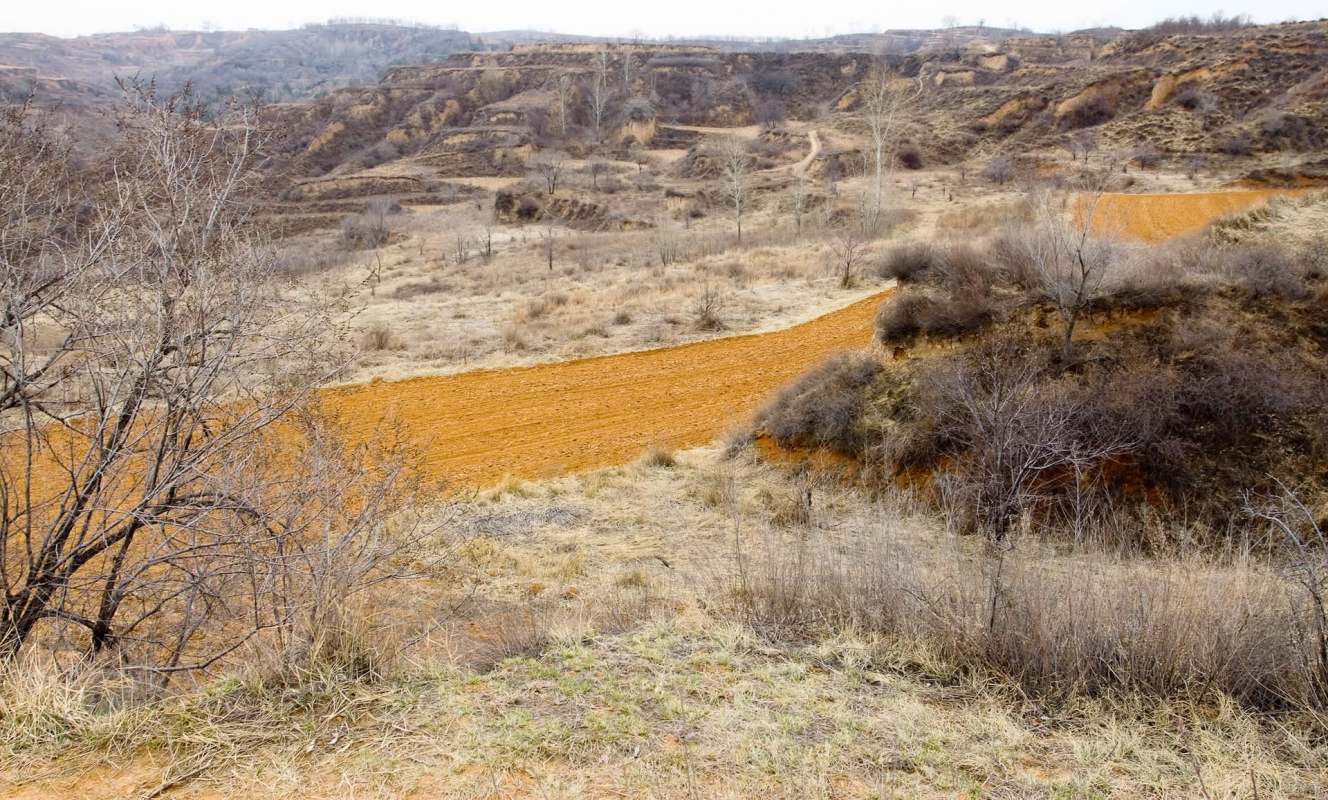
Bloomberg reported that several carbon-credit projects in China's oil and gas fields — including sites in the Changqing and Shengli oil fields — appeared to lack the equipment needed to capture emissions, despite documents asserting that they were reducing climate pollution.
Under the European Union's upstream emissions reduction scheme (UER), companies could purchase credits from projects that were meant to curb pollution from fossil fuel extraction.
Bloomberg reported that roughly 180 projects entered the system, mostly in China, and 15 EU countries reported 2022 offsets totaling 5.9 million tons of carbon dioxide.
However, Germany examined 66 projects, flagged 45 as "suspicious," and later withdrew or invalidated 30, per Bloomberg. Those projects claimed to save 2.1 million tons of carbon dioxide pollution, per the outlet.
TCD Picks » Quince Spotlight
💡These best-sellers from Quince deliver affordable, sustainable luxury for all




"A sort of Wild West has emerged with the trade in counterfeit certificates," Sandra Rostek, vice-chair of the victims' initiative Stop Climate Fraud, told Bloomberg.
Bloomberg also found troubling signs tied to projects connected to other European countries, including Austria, Poland, Luxembourg, Cyprus, Hungary, Estonia, Italy, and the U.K.
The reporting also described blurred lines between project developers and auditors, including one verifier who audited more than 20 projects linked to a consultancy that developed carbon-credit projects.
Why does it matter?
Fake or inflated carbon-credit claims can allow pollution to continue while undermining confidence in climate programs.
Low-quality credits can also make it harder for legitimate clean energy and pollution-reduction efforts to compete. If they flood the market, companies can continue portraying themselves as more eco-friendly than they are, which is a telltale sign of greenwashing.
Europe is still planning to use international carbon credits in future climate policy. If weak oversight carries into new systems, corporations could benefit from accounting maneuvers rather than real reductions in carbon pollution.
What's being done?
Authorities are now taking a closer look. Bloomberg reported that German police raided three verification agencies in 2024, and Germany says some projects used faulty documentation, weak checks, or failed to deliver the pollution cuts they promised.
Luxembourg has an ongoing probe, while Austria said it revised its laws and contacted people tied to the projects. The UER scheme itself is winding down. Bloomberg noted that while efforts lead to voided credits, that doesn't easily result in penalties or criminal prosecution.
It isn't easy to prove that companies and individuals operated in bad faith. Bloomberg said that later this year, the European Commission plans to spell out tougher standards for international credits used after 2030 that could prevent a repeat of what's occurring.
"Without rigorous safeguarding, it risks creating a paper tiger of Europe's climate efforts," Federico Terreni, climate policy manager at Transport & Environment, told Bloomberg. "There is ample evidence that most offsetting and carbon-credit schemes used today are a scam."

Get TCD's free newsletters for easy tips, smart advice, and a chance to earn $5,000 toward home upgrades. To see more stories like this one, change your Google preferences here.







