


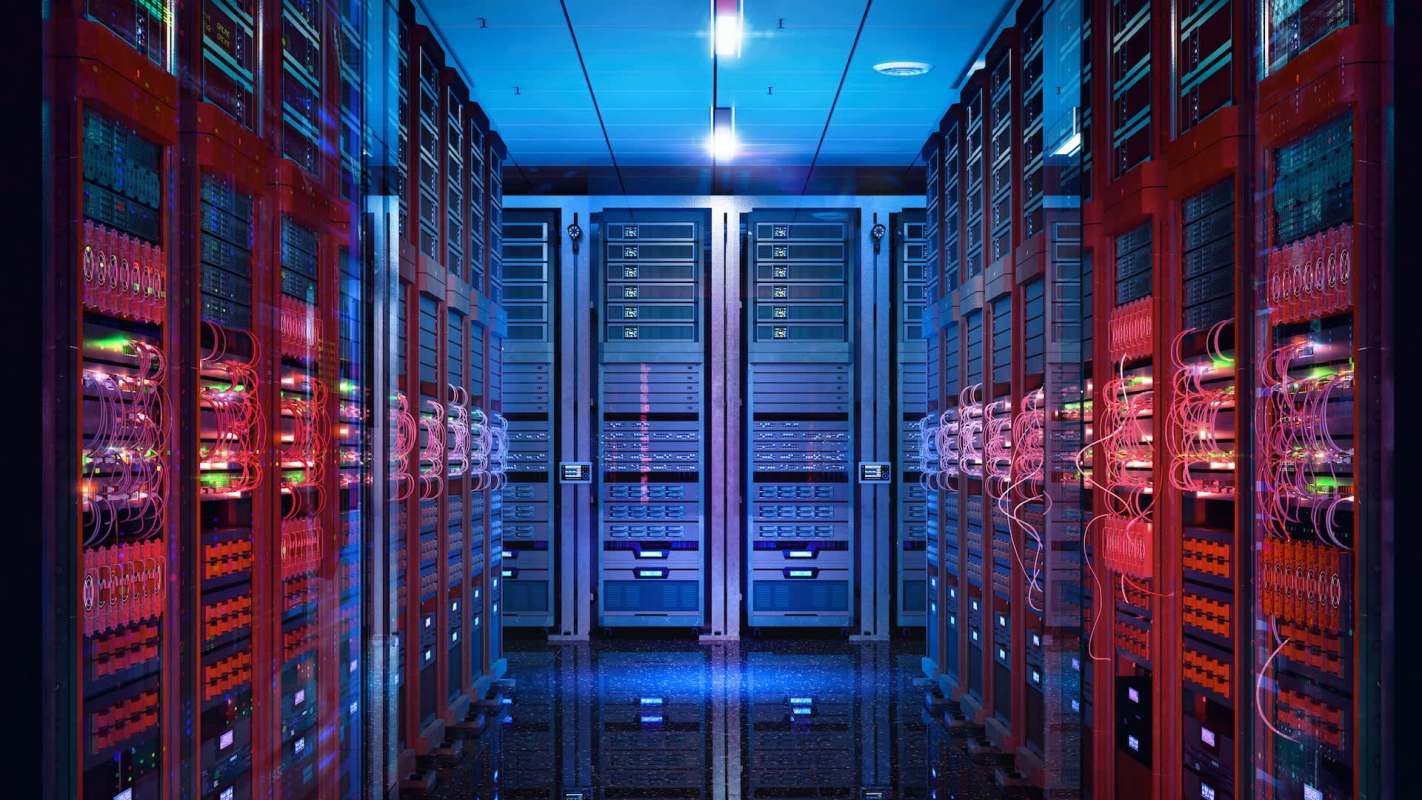
The artificial intelligence boom is reshaping the power grid as much as it is reshaping the tech industry.
New figures suggest data centers now use roughly 6% of electricity in the United States, a level that experts say can trigger growing public backlash over energy use, water demand, and strain on local infrastructure.
Singularity Hub stated that a new report from the International Data Center Authority put global data center power demand at 67.7 gigawatts, a 36% increase in two years. It said the U.S. accounts for 29.2 gigawatts of that total, or about 43% of worldwide consumption.
That surge is being driven in large part by AI, which requires enormous computing power to train and run models. Some of the biggest facilities now use as much electricity as small cities do, and new projects are being proposed at a rapid pace.
According to IDCA CEO Mehdi Paryavi, the U.S. has now crossed a notable threshold at 6%. The report said substantial community and political resistance often begins once data centers are using about 5% of a national grid. The United Kingdom is already at 5.8%, while Germany has reached 9.5%.
The report also pointed to hidden demand. It estimated that 13% of U.S. cloud consumption comes from "zombie" workloads like forgotten test systems and unused apps that still draw power, while many smaller, less-efficient data centers in office buildings add more strain.
TCD Picks » Quince Spotlight
💡These best-sellers from Quince deliver affordable, sustainable luxury for all




When large numbers of new power users connect to the grid, communities may face delayed infrastructure upgrades, reliability concerns, and potentially higher electricity costs. In regions already stretched thin, local officials are becoming more hesitant to approve new projects.
Many data centers also depend on cooling systems that can use millions of gallons of water per day, and one large facility can draw as much water as 6,500 households, according to Singularity Hub. While newer closed-loop liquid cooling systems can reduce ongoing water use, they still make up a relatively small share of the broader market.
There are also broader concerns about AI itself, including misuse, security risks, and unintended social impacts. As spending on data centers approaches $1 trillion globally, communities are being asked to absorb more of the cost.
Resistance is growing as quickly as the centers are being approved. Hundreds of state-level bills have been introduced to regulate data centers. In Maine, lawmakers passed a measure that would have stopped construction of data centers larger than 20 megawatts until 2027, though it was later vetoed.
Even where new restrictions have not passed, governments are taking a closer look. Maine Gov. Janet Mills later signed an executive order creating a council to study the impact of data centers, with recommendations due in early 2027.
In some places, grid limits are already directly slowing development. In Northern Virginia's Data Center Alley, one of the country's largest data center hubs, some developers may have to wait until 2032 to bring new projects online due to energy constraints.
Public utility meetings, zoning hearings, and state legislation can shape how these projects are built and whether companies must be more transparent about energy and water use. Pressure is also growing for operators to eliminate wasteful "zombie" workloads and improve efficiency before demanding even more power.
"Our real-time data shows that many very large AI factories are coming into operation, spiking up total U.S. consumption," Paryavi said.
Singularity Hub noted that Greenpeace UK's chief scientist Doug Parr told the Guardian: "We need more transparency about the amount of water and energy used by data centers."

Get TCD's free newsletters for easy tips, smart advice, and a chance to earn $5,000 toward home upgrades. To see more stories like this one, change your Google preferences here.






